
What to Check in an EDM Machine OEM Supplier Sample Run
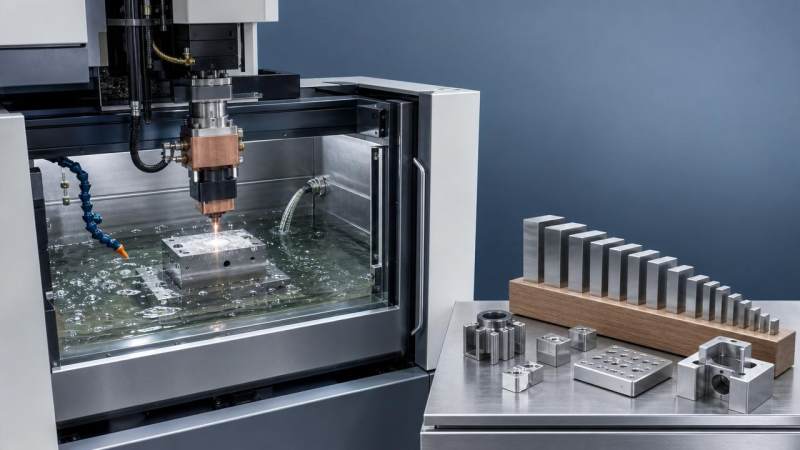
Before approving mass production, quality and safety teams should treat an edm machine oem supplier sample run as a critical verification stage, not a formality. From machining accuracy and surface integrity to process stability, traceability, and operator safety controls, every result reveals whether the supplier can meet real production demands. A careful sample evaluation helps reduce downstream defects, compliance risks, and costly delivery failures.
Why an edm machine oem supplier sample run matters more than a brochure review
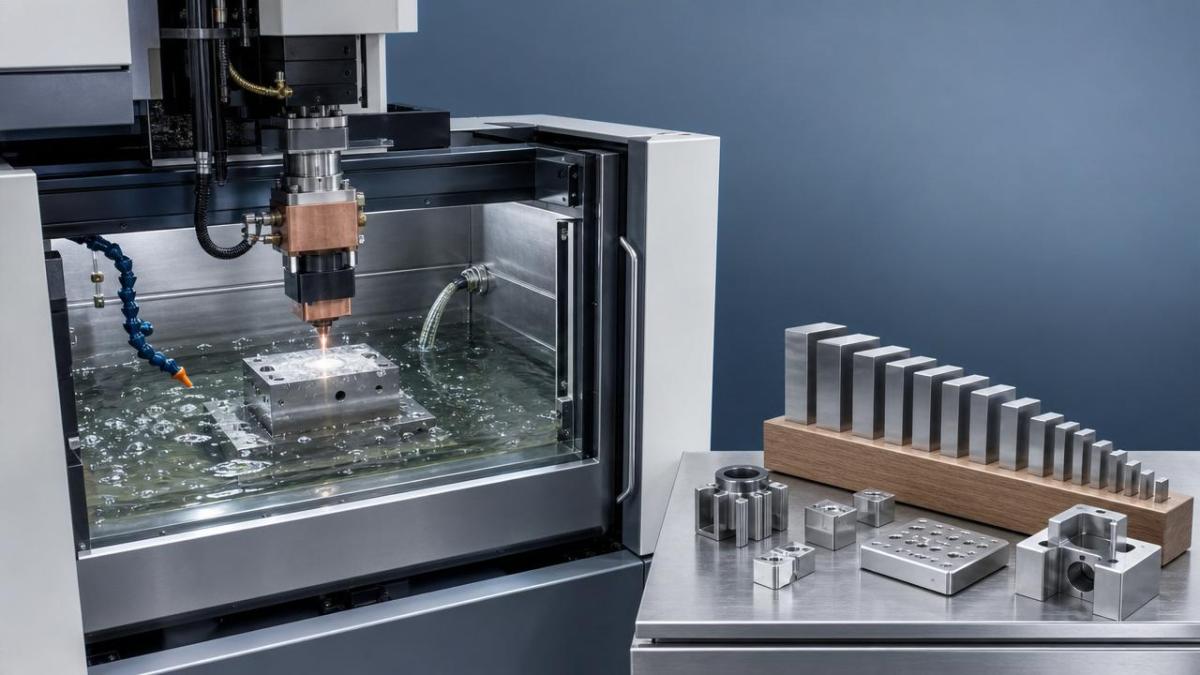
For quality control personnel and safety managers, an edm machine oem supplier should never be judged only by catalog specifications, sales claims, or a short factory presentation. Electrical discharge machining performance depends on process discipline, electrode management, dielectric control, machine calibration, software logic, and operator behavior. A sample run exposes the gap between stated capability and repeatable production reality.
In cross-industry manufacturing, EDM equipment may support mold making, precision tooling, medical components, aerospace details, sealing surfaces, or intricate cavities that conventional cutting cannot produce efficiently. That means a weak sample verification can create hidden risk across multiple production lines. G-PME emphasizes this stage because reliable supplier evaluation is not only about dimensional output, but also about process integrity, standards alignment, and supply-chain resilience.
What a sample run should prove
- The machine can achieve the required tolerance on the target material, not just on a soft or easy-to-machine test block.
- The edm machine oem supplier can keep process variation within a controlled range over time, not only on a single pass.
- The supplier understands safety interlocks, dielectric handling, electrical protection, and operator risk reduction.
- Documentation, inspection records, and traceability are mature enough for real procurement approval.
What should quality and safety teams check first?
The first review should focus on whether the sample represents your actual production condition. Many buyers lose time by testing a geometry that looks impressive but has little connection to the real application. If your production parts involve hardened steel, carbide inserts, copper alloys, fine ribs, blind cavities, or high-aspect-ratio features, the sample run should include those exact challenges.
The following table helps structure the first-stage review of an edm machine oem supplier sample run from a quality and safety perspective.
A practical rule is simple: if the sample part does not challenge the machine in the same way your production will, the sample run is not yet decision-grade. This is especially important in organizations where procurement, quality, and EHS approval must align before vendor release.
First-pass screening checklist
- Confirm the sample drawing revision, material certificate availability, and machining objective before the test starts.
- Witness or review setup records, including electrode material, offset input, dielectric condition, and fixture method.
- Request more than one sample if repeatability is critical. One successful part is not enough for supplier approval.
- Document all deviations, rework actions, alarm events, and manual interventions during the run.
Which technical results reveal a capable edm machine oem supplier?
An edm machine oem supplier sample run should be read like a process audit, not just a finished-part inspection. Good EDM results are multi-dimensional. A cavity that looks accurate at first glance may still fail due to poor recast layer control, unstable spark behavior, overburn, electrode wear compensation errors, or inefficient flushing. These issues often appear later as die life reduction, downstream polishing burden, or premature component failure.
Critical technical indicators to review
- Dimensional accuracy: Verify actual measurements against drawing tolerance and note whether the result is achieved directly or after repeated adjustment.
- Surface integrity: Look beyond roughness. Assess burn quality, edge condition, micro-cracking risk, and uniformity across the machined zone.
- Electrode wear behavior: Excessive wear can distort geometry, slow cycle time, and increase consumable cost.
- Cycle consistency: Compare spark stability, alarm frequency, and machining time between similar parts or repeated runs.
- Thermal and flushing control: Poor debris evacuation can damage finish and cause unstable discharge conditions.
The next table gives a more detailed parameter-oriented review framework for assessing an edm machine oem supplier during the sample stage.
If the supplier cannot explain how those results were achieved, the risk remains high even if the sample looks acceptable. Mature OEM partners can discuss parameter windows, process limits, and what changes when material hardness, feature depth, or finish targets shift.
How to evaluate process control, traceability, and safety compliance
For safety managers, a sample run is also a live audit opportunity. EDM systems involve electrical energy, dielectric fluids, filtration, fumes, fire considerations, and human-machine interaction. The supplier’s safety culture appears quickly when you observe lockout practice, alarm handling, enclosure discipline, housekeeping, and response to abnormal conditions.
Questions that expose supplier maturity
- Can the edm machine oem supplier provide documented preventive maintenance routines for dielectric systems, filters, and electrical cabinets?
- Are operating parameters version-controlled so that approved sample settings are not changed casually during later production?
- Is there a clear traceability link between sample workpiece, machine used, operator, electrode batch, dielectric condition, and inspection report?
- How are abnormal spark conditions, short circuits, overburn events, or fire-related concerns escalated and recorded?
In G-PME’s broader industrial perspective, supplier selection should be benchmarked against internationally recognized engineering expectations, even when the project itself does not mandate a specific standard. A disciplined approach may reference machine safety principles, documented inspection methods, and material identification controls aligned with common ISO, DIN, ASME, or JIS-oriented environments.
Red flags during the sample run
- The operator changes parameters repeatedly without documenting why.
- Inspection data is handwritten but not traceable to calibrated measurement equipment.
- The sample area is reworked or polished before review without prior disclosure.
- Electrical cabinets, fluid systems, or guards show poor maintenance discipline.
- The supplier cannot explain what process window is safe and repeatable for your application.
Procurement comparison: sample pass versus production-ready approval
Many teams confuse a visually acceptable sample with a production-ready supplier decision. The distinction is important. A sample can pass drawing points while still failing on capacity, training, spare parts support, change control, or delivery robustness. This is where quality, safety, and procurement must work from one decision framework.
Use this comparison table to separate “part passed” from “supplier approved” when reviewing an edm machine oem supplier.
This distinction protects buyers from a common failure mode: selecting a supplier because the first sample looked acceptable, only to face process drift, delayed commissioning, or EHS findings during installation and ramp-up.
Common mistakes when reviewing an edm machine oem supplier sample run
Mistake 1: Focusing only on final dimensions
Dimensions matter, but they are only one layer. Quality teams should also ask how much adjustment was needed, whether the electrode was replaced mid-run, and whether unusual manual correction was involved. A good part produced through unstable means is a warning sign, not a success.
Mistake 2: Ignoring operator dependency
If one highly experienced operator is required to achieve the sample result, scalability becomes uncertain. Ask whether the process can be standardized across shifts and whether the supplier provides operator training material, setup instructions, and troubleshooting logic.
Mistake 3: Underestimating service and spare-part risk
A technically capable edm machine oem supplier still becomes a poor choice if filters, wear parts, software support, or service response are unclear. For facilities with strict uptime targets, lifecycle support should be reviewed as early as the sample phase.
FAQ for QC and safety teams
How many parts should be included in a sample run?
If the part is simple, one prototype may be useful for an early screen, but supplier approval should normally involve repeated runs or multiple critical features checked over more than one cycle. The goal is to reveal variation, not just best-case output.
What documents should an edm machine oem supplier provide with the sample?
At minimum, request the sample drawing revision reference, material identification, process notes, inspection report, measurement method, and a record of major machine settings or parameter groups used during the test. If safety is part of approval, request maintenance and operational control information as well.
What if the sample meets tolerance but surface quality is inconsistent?
Treat that as a conditional failure until the supplier explains the cause and demonstrates correction. Surface inconsistency can indicate unstable discharge conditions, poor flushing, or inadequate parameter matching. These problems often become more expensive after production starts.
When should safety managers join the sample review?
Ideally from the first witnessed run. Waiting until installation or factory acceptance can delay approval and create redesign pressure. Early involvement helps identify enclosure, electrical, fluid, and procedural risks while supplier adjustments are still practical.
Why choose us for edm machine oem supplier evaluation support
G-PME supports industrial decision-makers who need more than generic machine data. Our strength lies in connecting precision machining reality with quality verification, compliance expectations, and procurement risk control across complex manufacturing environments. That means we help teams ask sharper questions, compare suppliers on evidence, and avoid approvals based on incomplete technical proof.
If you are screening an edm machine oem supplier, you can consult us on sample evaluation criteria, parameter confirmation priorities, application-specific selection logic, expected delivery considerations, documentation checkpoints, and practical risk items for QC and EHS review. We also support discussions around custom part requirements, supplier comparison frameworks, standards-oriented evaluation, and quotation communication grounded in technical feasibility rather than sales language alone.
For organizations managing high-value tooling, precision components, or uptime-sensitive production assets, a disciplined sample run review is one of the lowest-cost ways to prevent expensive downstream failure. Use it as a decision gate, not a ceremony, and engage early if you need a structured framework for selecting the right edm machine oem supplier.
Recommended News
 Solar Power Bank Buying Guide: Capacity, Panels, Ports, and Use CasesSolar power bank buying guide: compare capacity, panel performance, USB-C ports, durability, and use cases to choose reliable backup power for travel, camping, and emergencies.
 Skincare Packaging Materials: How to Choose Bottles, Jars, and TubesSkincarepackaging choices shape formula stability, brand appeal, and cost. Learn how to select bottles, jars, and tubes with a practical material checklist.
 Lithium Battery Storage Safety: Temperature, Charging, and Fire RisksLithium battery storage safety guide: control temperature, charging, and fire risks to prevent thermal runaway, protect assets, and stay audit-ready.
 Sustainable Textile Manufacturing: Processes, Materials, and Cost FactorsSustainable textile manufacturing explained: compare materials, processes, compliance needs, and cost factors to reduce risk, improve efficiency, and build scalable supply chains.
 Trade Analytics for Cost-Effective Sourcing: Metrics That MatterTrade analytics for cost-effective sourcing helps reduce hidden costs, compare suppliers, manage risk, and make smarter industrial purchasing decisions.
 Accessory Design for Consumer Devices: Materials, Fit, and Durability ChecksAccessory design guide for consumer devices: compare materials, fit, fastening, durability checks, and supplier readiness to reduce launch risk and rework.
 E-Readers vs Tablets: Screen Comfort, Battery Life, and Use CasesE-readers vs tablets: compare screen comfort, battery life, portability, and best use cases to choose the right device for focused reading or flexible digital work.
 How to Evaluate an Online Trade Platform for Supplier Risk and CostsOnline trade platform evaluation made practical: learn how to compare supplier risk, hidden costs, verification depth, technical data, and dispute protection before sourcing.
 Foldable Screen Technology for Flexible Display: Hinge and Layer LimitsFoldable screen technology flexible display insights: learn how hinge precision, layer stack durability, and bend-cycle testing define reliability before scale-up.
 Precision Components Selection: Tolerances, Materials, and QC ChecksPrecision components selection guide: learn how to assess tolerances, materials, supplier capability, and QC evidence to reduce risk and secure reliable performance.
 When does industrial sewing beat manual stitching?Industrial sewing outperforms manual stitching when volume, seam strength, repeatability, and lifecycle cost matter. Learn when to switch and how to prove ROI.
 How industrial analysis reveals hidden cost risksIndustrial analysis helps uncover hidden cost risks in materials, suppliers, maintenance, and contracts—so you can protect margins and make smarter investment decisions.
 Sustainable home decor for eco-conscious consumers lastsSustainable home decor for eco-conscious consumers starts with durable, low-impact materials. Discover smarter choices that reduce waste, improve indoor health, and last beautifully.
 Are babysleepingbags safe for year-round use?Babysleepingbags can support safer year-round sleep when fit, TOG, fabric, and room temperature match your baby’s needs. Learn how to choose with confidence.
 Are solar trackers worth the added maintenance?Solar trackers can boost energy yield, but are they worth the maintenance? Compare lifecycle value, reliability risks, and ROI before your next solar investment.
 Can soil management cut fertilizer waste in 2026?Soil management can cut fertilizer waste in 2026. Learn how testing, drainage, precision application, and project controls reduce costs, runoff risk, and compliance pressure.
 What makes a hydraulic press safer for daily operation?Hydraulic press safety starts with smarter guarding, stable controls, reliable maintenance, and task-based risk checks. Learn practical ways to improve daily operation.
 Why Light-weighting vehicle materials affect EV rangeLight-weighting vehicle materials can boost EV range when matched to duty cycle, safety, machining, and cost. Learn how to turn weight savings into real efficiency gains.
 How can a global trade platform reduce sourcing risk?A global trade platform helps cut sourcing risk with verified suppliers, technical data, compliance checks, and real-time market intelligence for smarter procurement.
 Are energy storage systems worth the higher upfront cost?Energy storage systems can offset higher upfront costs by reducing demand charges, preventing downtime, and improving long-term operational resilience.
 What improves accuracy in gear manufacturing?Gear manufacturing accuracy improves with stable materials, CNC control, tooling, heat treatment, and metrology. Learn key steps to reduce noise, wear, and lifecycle risk.
















Search News
Popular Tags