
When does industrial sewing beat manual stitching?
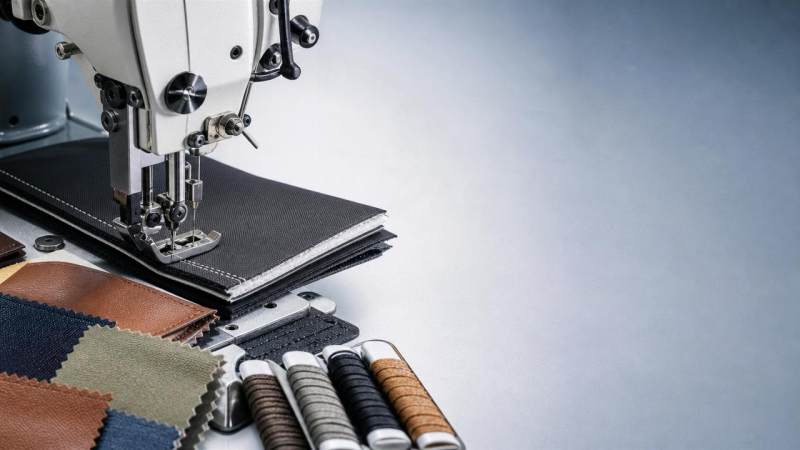
For production environments evaluating efficiency, quality consistency, and lifecycle cost, the choice between manual stitching and industrial sewing is rarely just about speed.
It depends on material type, seam strength, batch volume, compliance standards, and the tolerance for rework.
Where repeatability, operator safety, and measurable output matter, industrial sewing becomes a strategic manufacturing advantage.
This article explains when industrial sewing outperforms manual stitching, and how its value can be assessed with practical production criteria.
Industrial Sewing in Modern Production
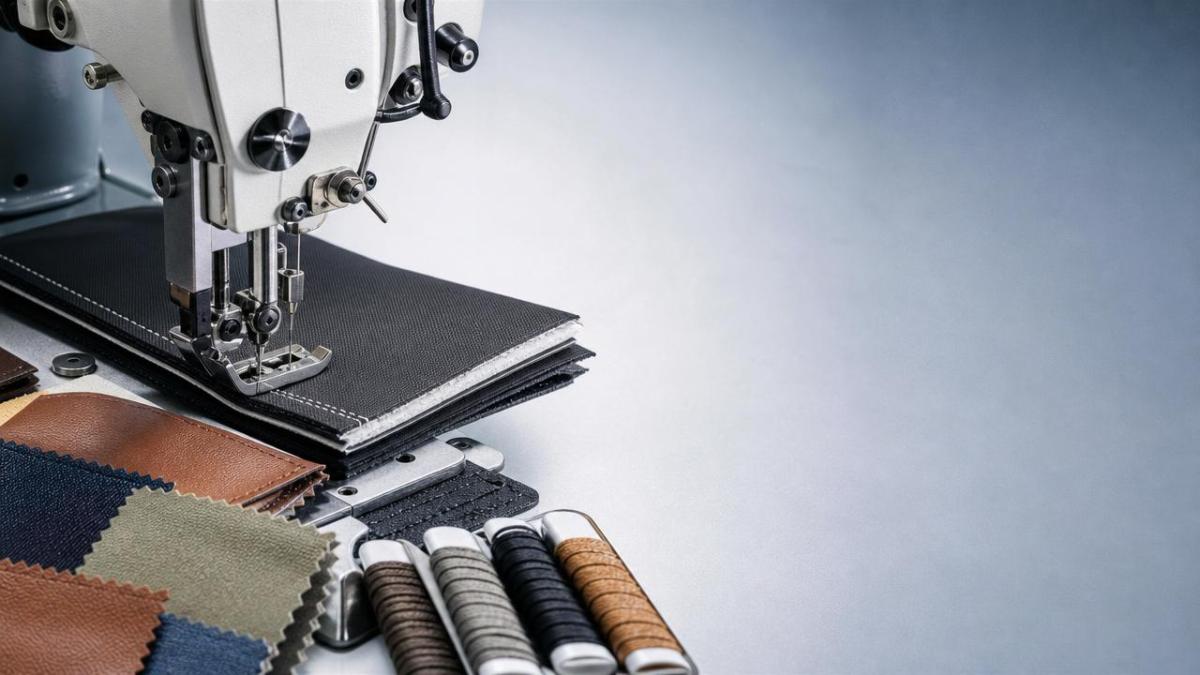
Industrial sewing refers to machine-based stitching systems designed for continuous, repeatable, and measurable seam formation.
Unlike domestic sewing, industrial sewing uses stronger motors, specialized feed mechanisms, reinforced frames, and task-specific attachments.
It is used across apparel, automotive interiors, filtration media, safety gear, furniture, packaging, medical textiles, and technical composites.
Manual stitching remains valuable where flexibility, repair work, delicate detailing, or small-batch craftsmanship defines the finished product.
The decision point appears when output stability becomes more important than individual hand adjustment.
Industrial sewing is strongest when the same seam must be produced repeatedly, with controlled tension, spacing, and strength.
It also enables data-based supervision through stitch counts, cycle time, defect rates, downtime logs, and maintenance schedules.
Industry Signals Favoring Mechanized Stitching
Several market and operational signals indicate when industrial sewing should replace or supplement manual stitching.
These signals are common in manufacturing sectors where traceability, standardization, and delivery reliability affect commercial performance.
In these conditions, manual stitching often struggles to deliver stable cycle time and uniform seam geometry.
Industrial sewing does not remove the need for skilled labor, but it changes where skill is applied.
Skill shifts toward setup, tension tuning, material handling, preventive maintenance, inspection, and continuous improvement.
Where Industrial Sewing Beats Manual Stitching
Industrial sewing beats manual stitching when measurable production performance outweighs maximum hand flexibility.
The strongest cases usually combine high volume, demanding materials, and repeatable seam specifications.
High-volume and repeat-order production
Industrial sewing is ideal when the same product repeats across shifts, weeks, or seasonal cycles.
Cycle time becomes predictable, which improves planning, staffing, material release, and delivery scheduling.
Manual stitching may remain competitive for prototypes, one-off repairs, and short runs with frequent design changes.
Heavy, layered, or engineered materials
Industrial sewing performs well on leather, canvas, coated fabrics, webbing, geotextiles, insulation layers, and aramid textiles.
Machines provide needle penetration force, feed control, and seam uniformity that hand stitching cannot easily sustain.
This matters when seams must carry load, resist abrasion, or survive repeated movement.
Consistent seam strength and visual quality
Industrial sewing controls stitch length, thread tension, seam allowance, and edge alignment with higher repeatability.
That consistency reduces inspection disputes and supports clearer acceptance standards.
For visible seams, industrial sewing also improves appearance across large batches.
Lower rework and better lifecycle cost
Manual stitching may seem cheaper before labor variance, rework, defect sorting, and late delivery are counted.
Industrial sewing can lower total cost when defects are traceable to inconsistent hand processes.
The payback improves when rejected seams damage expensive materials or delay downstream assembly.
Business Value Beyond Speed
The main value of industrial sewing is not only faster stitching.
Its broader value comes from process control, repeatability, and integration with industrial quality systems.
In a precision-led manufacturing environment, seams are treated as engineered joints, not decorative details.
- Higher throughput with stable output per shift.
- Lower defect variation across different operators.
- Better compatibility with gauges, folders, guides, and fixtures.
- Improved ergonomics for repetitive seam operations.
- Stronger basis for quality documentation and audits.
Industrial sewing also supports standard operating procedures that can be trained, measured, and improved.
This advantage becomes critical when production expands across multiple lines, sites, or outsourced partners.
A well-defined industrial sewing process reduces dependence on undocumented individual techniques.
Typical Application Scenarios
Industrial sewing is not equally valuable in every setting.
The following categories show where the decision is usually strongest.
This comparison shows that industrial sewing is not a universal replacement.
It is a stronger choice when performance, quantity, and repeatability define the commercial result.
Assessment Criteria Before Investment
A sound decision should compare the whole production system, not only machine price.
Industrial sewing requires the right match between material, thread, needle, feed system, and operator workflow.
- Define seam type, seam allowance, stitch density, and load requirement.
- Test real production material, including coatings, laminates, and thickness variation.
- Measure current manual cycle time, defect rate, and rework hours.
- Estimate output under realistic industrial sewing conditions.
- Include training, tooling, maintenance, spare parts, and energy consumption.
- Validate seam strength through tensile, peel, abrasion, or wash testing.
Industrial sewing equipment should be selected by operation, not by generic machine category alone.
Lockstitch, chainstitch, overlock, zigzag, bartack, post-bed, cylinder-bed, and walking-foot systems serve different purposes.
Feed mechanism selection is especially important for difficult materials.
Drop feed may suit light fabrics, while walking foot or compound feed improves control on thick assemblies.
Operational Risks and Practical Controls
Industrial sewing can fail to deliver value if implementation is treated as a simple machine purchase.
The process must be engineered around material behavior, workholding, inspection, and maintenance discipline.
- Use fixtures or guides where seam path consistency is critical.
- Standardize needle size, thread type, tension settings, and change intervals.
- Document acceptable stitch appearance, skipped stitches, puckering, and edge distance.
- Schedule lubrication, cleaning, belt checks, and hook timing verification.
- Train operators to detect sound, feed, and tension changes early.
Quality control should include both visual inspection and functional testing where seam failure affects safety.
For regulated products, industrial sewing parameters may need documented approval before full production release.
Digital counters, maintenance logs, and batch records can strengthen traceability without excessive administrative load.
Cost Comparison and Payback Logic
A practical payback model compares manual stitching cost against industrial sewing cost per accepted unit.
Accepted unit cost is more useful than hourly wage or machine price alone.
It includes labor time, setup time, scrap, rework, inspection, downtime, and delayed shipment risk.
Industrial sewing becomes financially attractive when higher capital cost is offset by lower accepted-unit cost.
The breakeven point arrives faster in high-volume lines with expensive materials or strict rejection limits.
Recommended Next Steps
Begin with a seam-level audit rather than a catalog search.
Identify the seams causing slow output, unstable quality, ergonomic strain, or excessive rework.
Then run a controlled trial using actual materials, production thread, approved needles, and representative operators.
Record cycle time, seam strength, appearance defects, thread breaks, needle damage, and maintenance observations.
Compare these results with current manual stitching data to calculate accepted-unit cost and risk reduction.
Industrial sewing beats manual stitching when the evidence shows better throughput, stronger repeatability, and lower lifecycle cost.
For operations seeking scalable, documented, and durable seam production, industrial sewing deserves structured evaluation before capacity planning decisions are finalized.
Recommended News
 How cryogenic service requirements affect fluid control system pricesExplore fluid control systems price drivers for cryogenic service, from materials and testing to insulation. Learn how to compare quotes, avoid hidden costs, and buy with confidence.
 When is die-cast aluminum suitable for lightweight vehicle housings?Light-weighting vehicle materials: Discover when die-cast aluminum suits vehicle housings, balancing weight savings, tooling costs, sealing, and durability for smarter design decisions.
 How to specify CNC machining tolerances for press-fit assembliesSpecify CNC machining tolerance for reliable press-fit assemblies. Learn to calculate interference, control thermal effects, and verify supplier capability to prevent costly fit failures.
 How to assess five-axis machine tool thermal stability data in Latin AmericaReview machine tool thermal stability data Latin America suppliers provide. Discover how to assess five-axis drift, ISO 230-3 tests, and site conditions for smarter purchasing decisions.
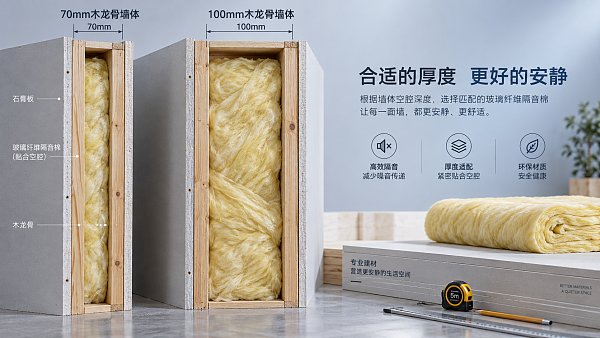
 How thick should fiberglass acoustic insulation be for wall cavities?Fiberglass acoustic insulation: how thick should it be? Explore 3.5- and 5.5-inch wall cavity options, tested STC requirements, and installation tips to avoid costly mistakes.
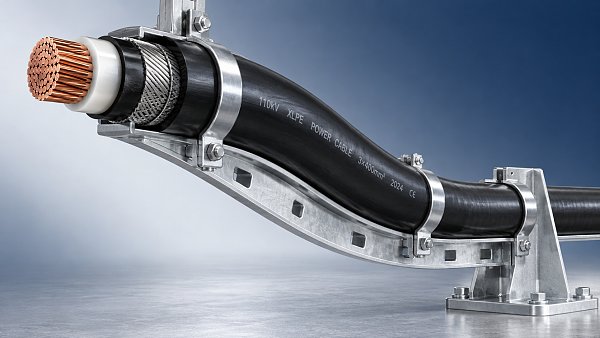
 How bending radius affects the service life of high-voltage cablesProtect highvoltagecables from bending damage. Discover how bend radius affects service life, which installation limits matter, and practical checks for lasting reliability.
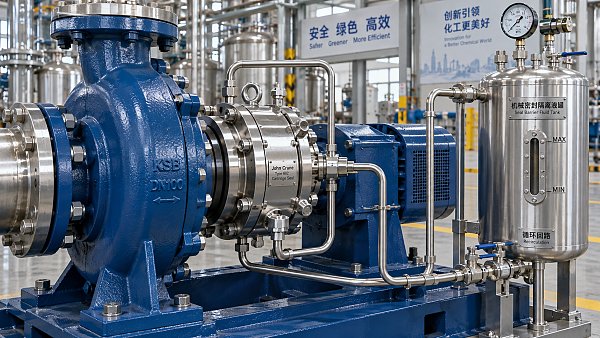
 How Do You Select a Mechanical Seal for Chemical Service?How do I select a mechanical seal for chemical service? Explore material compatibility, single vs. dual seals, and support systems to reduce leakage risks and choose with confidence.
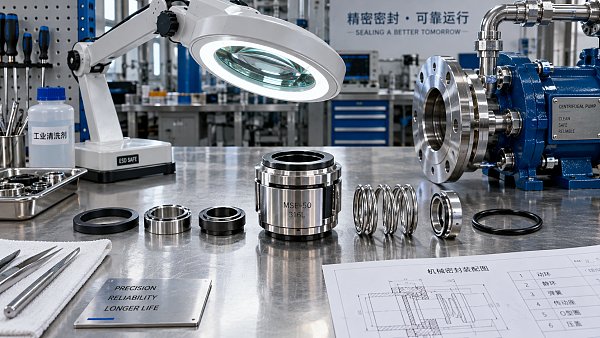
 Why Do Mechanical Seals Fail Prematurely?Why do mechanical seals fail prematurely? Discover how dry running, poor flushing, and misalignment cause leaks—and learn practical checks to prevent repeat failures and reduce downtime.
 Manufacturing Capability Assessment: Can a Process Hold Your Tolerances?Manufacturing capability assessment: Can your supplier hold tight tolerances? Learn how to verify Cp, Cpk, and production evidence to reduce risk and make confident qualification decisions.
 OEM Manufacturing Design Support: What to Resolve Before Tooling StartsOEM manufacturing design support helps resolve materials, tolerances, and inspection before tooling starts. Discover how to avoid costly rework and make confident tooling decisions.
 How to size extrusion equipment for a target production outputSize extrusion equipment to meet your production targets. Learn how to calculate throughput, identify line bottlenecks, and verify capacity to avoid costly sizing mistakes.
 How to assess 5-axis demand in machining center market analysisStrengthen your machining center market analysis: learn how to assess 5-axis workloads, buyer readiness, and investment costs to build credible demand forecasts and avoid costly overestimates.
 Can procurement support reduce contract manufacturing tooling delays?Discover industrial procurement support contract manufacturing teams can use to cut avoidable tooling delays, secure materials, and keep production launches on track.
 Which export insights matter when entering a new market?Export insights for new-market entry: assess demand, standards, delivered costs, supply resilience, and buyer approval paths to build a profitable expansion plan.
 How industrial technology solutions in Southeast Asia handle humid sitesIndustrial technology solutions Southeast Asia: learn how site-adapted materials, sealing, condensation control, and maintenance strategies improve reliability in humid, coastal, and high-corrosion industrial environments.
 How hospitals can size telemedicine hardware for peak virtual visitsTelemedicine hardware for hospitals: learn how to size reliable endpoints for peak virtual visits, optimize reserves, workflows, network readiness, and uptime.
 Which electronic components most affect smart actuator reliability?Electronic components that shape smart actuator reliability: evaluate power supplies, motor drives, sensors, control boards, and connectors for demanding industrial performance.
 When do reshoring CNC investment opportunities justify 5-axis capacity?Explore when reshoring CNC investment opportunities justify 5-axis capacity—reduce setups, strengthen quality control, cut supply-chain risk, and build a resilient local machining strategy.
 What compliance documents should an industrial chemicals exporter provide?Industrial chemicals exporter compliance guide: learn which SDS, CoA, transport, customs, and market-access documents help prevent delays and risks.
 How to assess a smart device manufacturing solutions factoryAssess a smart device manufacturing solutions factory with practical insights on engineering, quality, testing, supply-chain resilience, and pilot builds.
 What CE certification means for a CNC controller systemCNC controller system CE certified: learn what CE marking covers, how to verify safety, EMC, documentation, and retrofit compliance for EU machinery.









Search News
Popular Tags