Selecting precision components is no longer a matter of matching dimensions on a drawing; it requires disciplined evaluation of tolerances, material behavior, process capability, and quality-control evidence.
For technical evaluators, each specification must translate into measurable performance, supply-chain reliability, and compliance with applicable ISO, DIN, ASME, or JIS standards.
This guide outlines how to assess critical tolerances, choose suitable materials, and verify inspection data so procurement and engineering teams can reduce failure risk.
Start With the Real Selection Question: Can the Part Hold Function Under Variation?
The core search intent behind precision components selection is practical: evaluators want to know whether a component will perform consistently beyond the first approved sample.
A drawing may define nominal geometry, but real production introduces tool wear, material lot variation, heat-treatment distortion, and measurement uncertainty.
The best selection process therefore begins with function, not catalog data. Ask which dimensions affect assembly, motion, sealing, fatigue life, or calibration stability.
Technical evaluators should separate critical-to-function features from secondary dimensions. This prevents over-specifying the entire part while under-controlling the true risk points.
For example, a shaft diameter controlling bearing fit deserves tighter scrutiny than an external chamfer that only supports handling or visual appearance.
This approach improves cost control and quality focus. It also gives suppliers a clearer basis for quoting realistic capability and inspection requirements.
How to Interpret Tolerances Without Creating Hidden Manufacturing Risk
Tolerances define allowable variation, but they also define manufacturing difficulty, inspection cost, scrap probability, and long-term supplier stability.
A common sourcing error is applying very tight tolerances because they appear safer. In reality, unnecessary tightness can reduce supplier options and increase lead time.
Evaluate tolerances by asking whether the limit protects function, assembly interchangeability, regulatory compliance, or service life under expected operating conditions.
Dimensional tolerances should be reviewed alongside geometric tolerances. Flatness, concentricity, perpendicularity, cylindricity, and true position often determine real functional performance.
For rotating or sealing precision components, a nominal diameter alone is rarely sufficient. Roundness, surface finish, runout, and coaxiality may matter more.
Technical teams should also confirm whether the drawing follows ISO GPS, ASME Y14.5, DIN, or JIS conventions, because interpretation differences can create disputes.
When reviewing a tolerance scheme, look for ambiguity. Undefined datums, missing measurement conditions, or unclear surface requirements weaken both procurement and quality enforcement.
- Identify critical-to-function characteristics before negotiating price or approving alternate suppliers.
- Check whether tolerance stack-up has been evaluated at assembly level, not only component level.
- Confirm datum structure reflects actual assembly contact points and load paths.
- Review whether inspection methods can reliably measure the tolerance specified.
The strongest specifications are not the tightest. They are the ones that link measurable limits to performance, manufacturability, and verification evidence.
Material Selection Should Be Based on Operating Behavior, Not Only Grade Names
Material choice is often reduced to a grade designation, yet identical grade names can behave differently depending on source, processing, and certification depth.
For precision components, material selection must consider strength, hardness, corrosion resistance, thermal stability, machinability, wear behavior, and compatibility with surrounding parts.
A stainless alloy suitable for static brackets may not be ideal for sliding contact, high-cycle fatigue, or aggressive chemical exposure.
Likewise, aluminum offers weight advantages, but thermal expansion, surface hardness, and galvanic compatibility must be reviewed before selection.
Titanium, nickel alloys, tool steels, engineering plastics, and ceramics each create different risks in machining, inspection, finishing, and supply availability.
Technical evaluators should request material certificates that show heat number, chemical composition, mechanical properties, heat-treatment condition, and applicable standard compliance.
Certificates should not be accepted as administrative paperwork only. They are evidence connecting the delivered component to a controlled raw-material batch.
When fatigue, pressure, sealing, or safety functions are involved, traceability becomes a performance requirement, not a documentation preference.
Surface Finish, Heat Treatment, and Coatings Can Change the Entire Performance Profile
Many failures originate not from base geometry, but from secondary processes such as heat treatment, grinding, plating, anodizing, passivation, or coating.
Surface roughness affects friction, leakage, wear, fatigue initiation, cleanliness, and lubricant retention. It should be specified according to actual functional demand.
A sealing face may require a controlled Ra value and lay direction, while a cosmetic surface may only need visual acceptance criteria.
Heat treatment should be evaluated through hardness range, case depth, microstructure, distortion control, and retained austenite or residual stress concerns.
Coatings require similar discipline. Thickness, adhesion, porosity, corrosion resistance, and dimensional impact must be included in the selection review.
If coating thickness affects fits, the drawing must clarify whether dimensions apply before or after coating. Ambiguity here frequently causes assembly rejection.
For high-reliability precision components, evaluators should confirm process qualifications and whether suppliers control subcontracted special processes through approved vendors.
Supplier Process Capability Is More Important Than a Perfect First Article
A first article inspection can prove one batch was made correctly. It does not prove the supplier can sustain capability across production.
Technical evaluators should ask for process capability data on critical characteristics, especially where tight tolerances meet high production volume.
Capability indices such as Cp and Cpk help indicate whether the process is centered and stable within specification limits.
However, capability data must be interpreted carefully. A short study using selected samples may not represent long-term manufacturing reality.
Look for evidence of machine stability, fixture control, tool-life management, operator training, coolant management, and in-process inspection frequency.
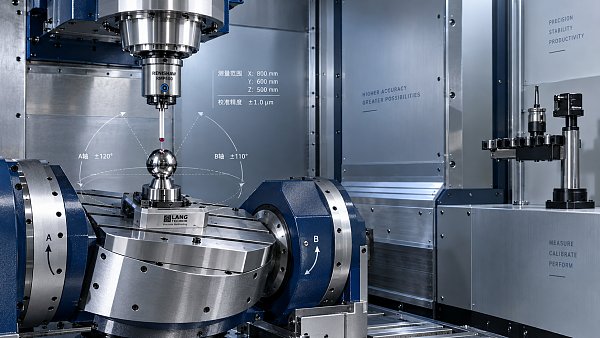
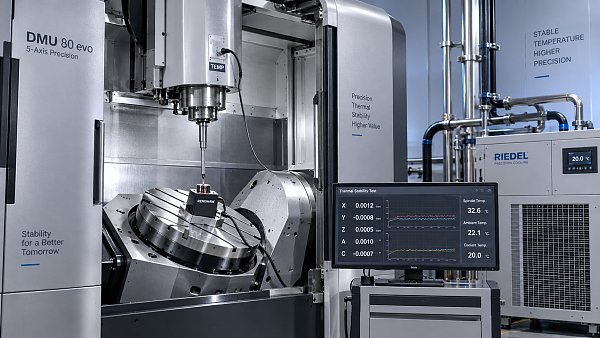
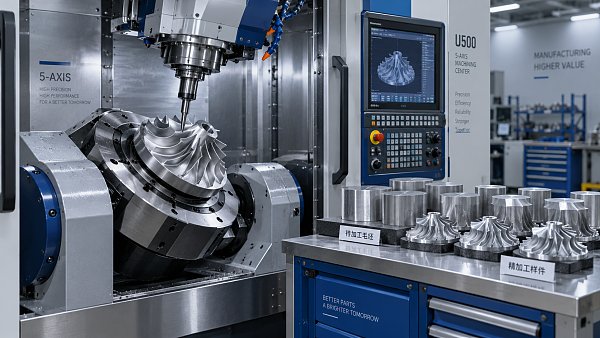
For complex CNC-machined parts, five-axis alignment, thermal compensation, probing strategy, and fixture repeatability can strongly influence final accuracy.
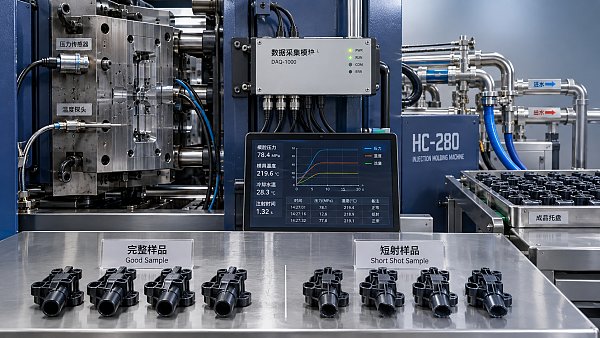
Die-cast or molded precision components require additional review of shrinkage control, tool wear, porosity management, and cavity-to-cavity variation.
The most reliable suppliers understand their process windows. They can explain where variation comes from and how it is controlled.
QC Checks That Technical Evaluators Should Require Before Approval
Quality-control checks should be matched to risk. A simple receiving inspection plan is insufficient for mission-critical or safety-related precision components.
Start with a control plan that maps each critical characteristic to inspection method, frequency, equipment, acceptance criteria, and reaction plan.
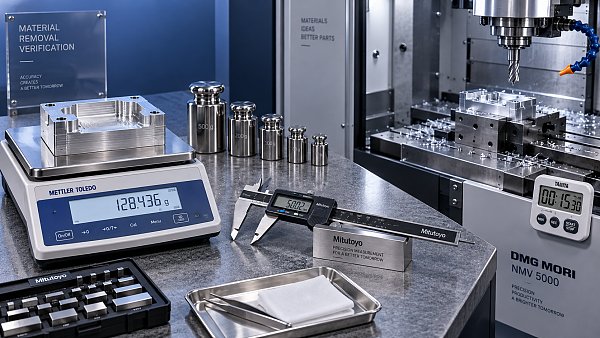
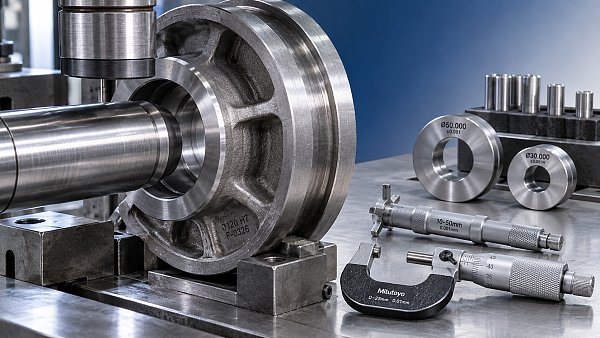
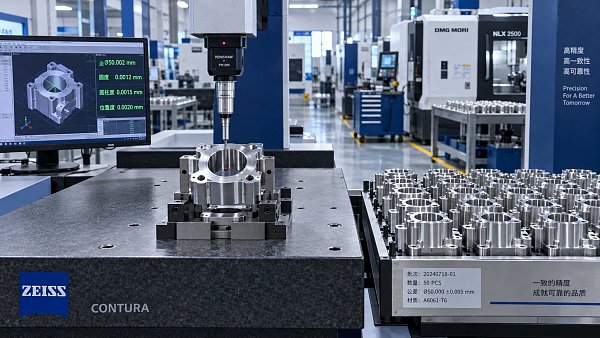
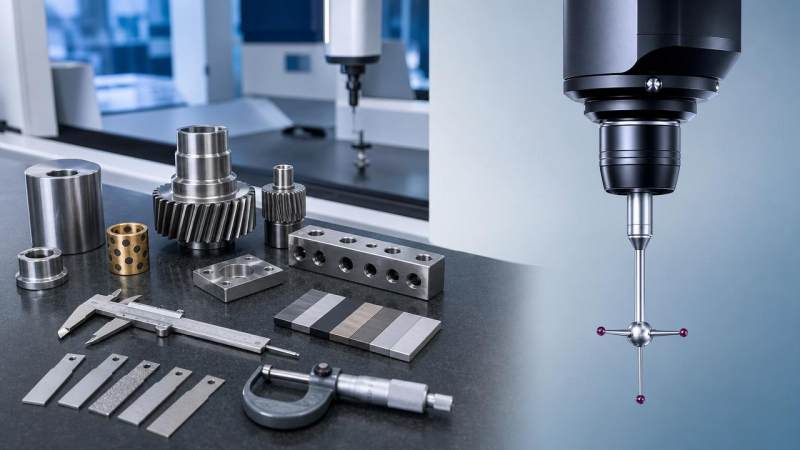
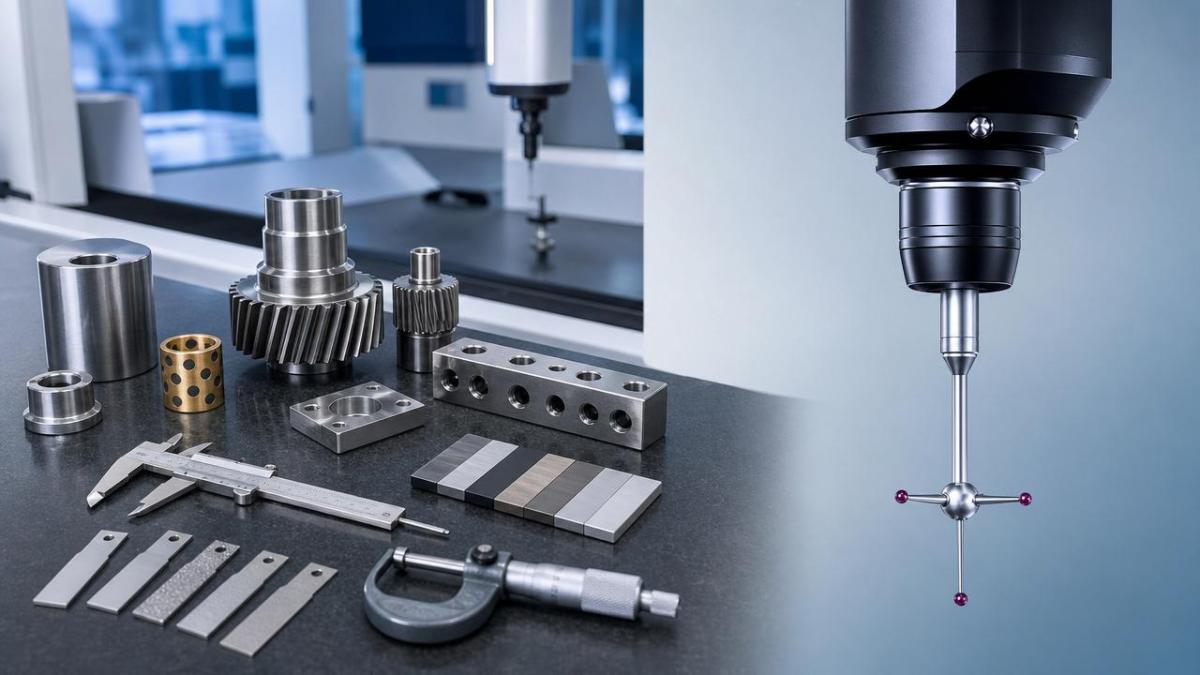
Coordinate measuring machines, optical comparators, laser scanners, profilometers, hardness testers, roundness testers, and gauges each have appropriate use cases.
Measurement equipment should be calibrated, traceable, and suitable for the tolerance being measured. Gauge repeatability and reproducibility should be reviewed when needed.
A measurement system with excessive uncertainty can create false confidence, false rejection, or inconsistent supplier disputes.
First Article Inspection Reports are valuable when they include ballooned drawings, actual measured values, equipment references, and material or process certifications.
For ongoing production, evaluators should request statistical process control records, lot inspection summaries, nonconformance history, and corrective-action closure evidence.
Where internal defects are possible, nondestructive testing may be required. Options include dye penetrant, magnetic particle, ultrasonic, radiographic, or pressure testing.
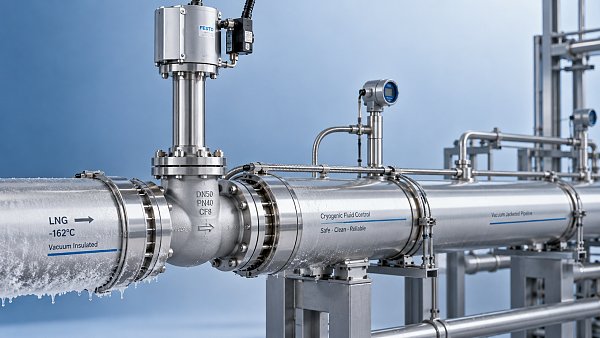
Cleanliness inspection may also matter in fluid control, semiconductor, medical, hydraulic, and aerospace applications where contamination can cause system failure.
Documentation That Separates a Qualified Supplier From a Commodity Vendor
Strong documentation reduces ambiguity and shortens problem-solving time. It also provides evidence for audits, warranty claims, and regulatory compliance.
Technical evaluators should request documentation proportionate to risk, rather than treating all precision components as identical purchasing items.
- Approved drawing revision and confirmed specification hierarchy.
- Material certificates with heat-lot traceability and applicable standards.
- First Article Inspection Report with actual values, not only pass marks.
- Control plan covering critical dimensions, processes, and inspection points.
- Process capability data for critical-to-function characteristics.
- Special-process certificates for heat treatment, coating, welding, or cleaning.
- Packaging, preservation, and handling requirements for sensitive surfaces.
Documentation should be reviewed for consistency. A certificate referencing one standard while the drawing requires another can expose serious compliance risk.
Equally, revision control must be strict. Outdated drawings and uncontrolled deviations are common causes of hidden field failures.
Balancing Cost, Lead Time, and Reliability in Final Selection
The lowest unit price rarely represents the lowest total cost when precision components influence uptime, safety, yield, or warranty exposure.
Evaluators should compare suppliers using total risk-adjusted value, including capability, documentation quality, logistics resilience, technical responsiveness, and corrective-action maturity.
A supplier with stronger process control may reduce incoming inspection, production stoppages, rework, and engineering escalation.
Conversely, a cheaper component that requires repeated sorting or emergency replacement can erase savings quickly.
Lead time should also be evaluated beyond quoted delivery. Raw-material availability, special-process queues, inspection capacity, and export documentation can affect continuity.
For critical parts, dual sourcing may be appropriate, but only when both suppliers meet equivalent technical and documentation standards.
Substitution decisions should be controlled. Changing material source, coating vendor, machining route, or heat-treatment process can alter performance unexpectedly.
A Practical Selection Workflow for Technical Evaluation Teams
A structured workflow helps teams avoid subjective supplier selection and ensures engineering, procurement, and quality functions evaluate the same evidence.
Begin by classifying the component according to functional risk, application environment, regulatory exposure, and failure consequence.
Next, identify critical-to-function characteristics and confirm whether the drawing, standards, and inspection requirements express those characteristics clearly.
Then evaluate material suitability, including operating temperature, corrosion exposure, mechanical loading, wear conditions, and compatibility with mating components.
After that, review supplier process capability, machine resources, subcontracted processes, inspection equipment, and experience with comparable precision components.
Finally, approve production only after documentation, first article results, corrective actions, packaging requirements, and change-control rules are accepted.
This workflow is especially useful for cross-border sourcing, where standards interpretation, communication gaps, and logistics complexity can amplify technical risk.
Red Flags That Should Delay Approval
Some warning signs justify delaying supplier approval, even when sample parts appear acceptable and pricing looks attractive.
- The supplier cannot explain how critical tolerances are controlled during production.
- Inspection reports show only pass or fail results without actual measured values.
- Material certificates lack heat number, standard reference, or traceability link.
- Special processes are outsourced without qualification evidence or process records.
- Measurement equipment is not suitable for the specified tolerance range.
- Deviation requests are frequent, vague, or submitted after production is complete.
These issues do not always mean the supplier is unusable. They do mean additional verification is required before production release.
Technical evaluators should treat uncertainty as a cost. If the evidence is incomplete, the buying organization carries the hidden risk.
Conclusion: Select Precision Components by Evidence, Not Assumption
Effective selection of precision components depends on connecting tolerances, materials, processes, and QC evidence to real operating requirements.
The strongest decisions are made when evaluators understand which features control function, which materials fit the environment, and which suppliers can sustain capability.
Tight tolerances, premium materials, and extensive inspection are valuable only when they address a defined technical risk.
For procurement and engineering teams, the goal is not simply to buy accurate parts. It is to secure repeatable performance.
By demanding clear specifications, traceable materials, capable processes, and verifiable inspection data, organizations can reduce failures and strengthen manufacturing reliability.