
Are babysleepingbags safe for year-round use?

Many parents wonder whether babysleepingbags are safe and practical beyond a single season. The short answer depends on choosing the right size, fabric, and warmth rating for your baby’s age, room temperature, and sleep environment. When used correctly, baby sleeping bags can help reduce loose bedding, support consistent sleep routines, and keep your child comfortable throughout the year. This guide explains what to look for, how to match sleeping bags to different seasons, and the safety points every parent should know before using them year-round.
What makes babysleepingbags suitable for all-season sleep?

Babysleepingbags are wearable sleep sacks designed to replace loose blankets in a crib or bassinet. Their purpose is simple: keep the baby covered while reducing fabric movement around the face.
For year-round use, the key issue is not whether one product can handle every condition. It is whether parents can match the garment to room temperature, clothing layers, and baby development.
This is where a more technical buying mindset helps. G-PME applies engineering-style evaluation to consumer decisions, focusing on material integrity, dimensional accuracy, supplier consistency, and compliance logic.
Core safety functions parents should expect
- The neck opening should be small enough to prevent the baby from slipping inside, but not so tight that it restricts breathing or movement.
- The armholes should allow natural movement while limiting upward fabric migration during rolling or active sleep.
- The zipper, seams, and snaps should be smooth, durable, and positioned to reduce skin irritation during long overnight use.
- The fabric should be breathable, washable, and stable after repeated laundering, because shrinkage can change fit and safety.
A well-selected sleeping bag does not make sleep risk disappear. It supports safer routines when combined with a firm mattress, a clear sleep space, and back sleeping guidance.
How to match babysleepingbags to room temperature and seasons
Parents often buy by season labels such as summer or winter, but room temperature is a more reliable decision point. The same winter room may be warm in one home and cold in another.
The TOG rating is a common warmth indicator for babysleepingbags. It does not measure safety by itself, but it helps compare insulation levels across products.
The table below gives practical temperature-based guidance. It should be treated as a selection framework, not a medical rule, because baby health, humidity, and clothing layers also matter.
This approach reduces guesswork. Instead of buying many seasonal items, parents can build a small, controlled set of babysleepingbags that cover real household temperature patterns.
Why overheating deserves more attention than cold hands
A baby’s hands and feet can feel cool even when the torso is comfortable. The better check is the chest, upper back, or neck area.
If the baby is sweating, flushed, breathing rapidly, or unusually restless, remove a layer or choose a lighter sleeping bag. Comfort should be verified, not assumed.
Size, fit, and construction: the details that affect safety
Parents often focus on fabric first, but fit is just as important. Babysleepingbags that are too large can ride up, while very tight products may restrict hip and leg movement.
G-PME’s industrial perspective is useful here. In manufacturing, dimensional tolerance, seam strength, and material stability determine whether a product performs consistently after repeated use.
Practical fit checks before regular use
- Place the baby in the sleeping bag and check that the neck opening cannot slide over the chin or mouth.
- Confirm that the armholes are secure, especially for smaller babies who may curl or shift during sleep.
- Check that the bottom area allows a natural frog-leg position and does not compress the hips.
- Wash the product according to instructions, then recheck fit because cotton blends and padded fabrics may change slightly.
A product that fits on day one but shrinks after several washes may no longer be appropriate. Year-round use requires durability, not only initial softness.
Fabric choices for babysleepingbags: comfort, laundering, and cost
Fabric choice affects breathability, drying speed, skin feel, and long-term cost. There is no single best fabric for every baby or climate.
The comparison below helps parents judge babysleepingbags by measurable use factors rather than vague claims such as premium, ultra-soft, or luxury.
For budget planning, two or three dependable babysleepingbags often make more sense than one expensive item. Babies spit up, diapers leak, and laundry timing matters.
Zippers, seams, and trims are not minor details
A two-way zipper can simplify night changes, but it should have a fabric guard. Exposed zipper pulls, rough seams, and loose labels can irritate skin.
From an engineering standpoint, the smallest parts can create the most frequent complaints. Parents should inspect stitching, fasteners, and internal finishing before bedtime use.
When are babysleepingbags not the right choice?
Babysleepingbags are useful, but they are not appropriate in every situation. Safety depends on baby age, mobility, medical needs, and product design.
Situations that require extra caution
- If a newborn is below the product’s minimum weight or length, the sleeping bag may be too loose around the neck and shoulders.
- If the baby has fever, overheating risk increases, so parents should use lighter clothing and seek health guidance when needed.
- If the product has a hood, weighted insert, loose ribbon, or decorative attachment, it is not suitable for safe sleep use.
- If the baby begins standing in the crib, parents should ensure the bag design allows safe movement without tripping.
For babies transitioning from swaddling, choose arm-out designs once rolling signs appear. A sleep sack is not a restraint device and should not prevent natural movement.
Compliance signals and supplier transparency parents can check
Consumer textile claims can be confusing. Parents may see safety tested, certified cotton, non-toxic dye, or breathable design, but the details are often unclear.
G-PME’s broader work with ISO, DIN, ASME, and JIS benchmarking highlights a useful principle: credible products are supported by traceable specifications and repeatable quality control.
For babysleepingbags, this does not mean parents need industrial expertise. It means they should look for clear textile safety information, care instructions, age range, and size charts.
Parents do not need to overpay for impressive wording. A product with clear sizing, fabric disclosure, and consistent construction is often more useful than one with broad marketing language.
Buying strategy: how many babysleepingbags do parents really need?
The best buying plan depends on laundry frequency, climate, and whether the baby attends daycare or travels. Most families benefit from a small rotation.
A practical starter set
- One lightweight babysleepingbags option for warm nights, naps, and rooms where heating makes the nursery warmer than expected.
- One medium TOG option for daily use in stable indoor temperatures, especially during spring and autumn.
- One warmer option for cool bedrooms, provided parents avoid adding extra loose blankets on top.
- One backup unit if laundry turnaround is slow, the baby has reflux, or overnight diaper leaks are common.
This set is usually more flexible than buying one thick sleeping bag for winter and trying to adapt it with fewer clothes in other seasons.
Cost versus lifespan
Babies grow quickly, so paying more only makes sense when the construction, fabric stability, and daily convenience justify the cost. Adjustable shoulder snaps may extend usable time.
However, oversized products should not be used too early just to save money. Fit and safe positioning should remain the first purchasing filter.
FAQ: common parent questions about babysleepingbags
The following questions reflect common search and purchase concerns. They also help parents avoid mistakes caused by seasonal labels or incomplete product descriptions.
Can one sleeping bag be used in every season?
Usually, no single bag is ideal for every season. A mid-weight option may work for many rooms, but hot summers and cold winter bedrooms often require different TOG levels.
Are babysleepingbags safer than blankets?
They can reduce risks linked to loose bedding when properly sized and used in a clear crib. They should still be paired with a firm mattress and safe sleep practices.
What should my baby wear underneath?
Start with the room temperature and TOG rating. A bodysuit may be enough in warm rooms, while cool rooms may need a sleepsuit under the bag.
When should I stop using a baby sleeping bag?
Stop if the product no longer fits, restricts movement, or creates tripping concerns for a standing toddler. Some toddlers continue using sleep sacks designed for walking.
Why consult G-PME before choosing year-round babysleepingbags?
G-PME brings a precision-evaluation mindset to product selection. For parents, that means clearer comparison of materials, sizing logic, supplier claims, and practical use conditions.
If you are comparing babysleepingbags, you can consult us for parameter confirmation, fabric and TOG selection, sample evaluation, certification questions, and sourcing risk review.
We can help clarify which specifications matter for your home climate, budget, delivery timeline, and safety expectations, so your purchase is based on evidence rather than guesswork.
Recommended News
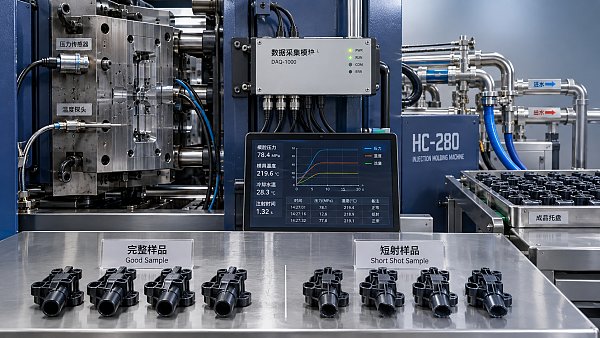
 How to use data analytics to reduce scrap in injection moldingUse data analytics to reduce injection molding scrap. Learn which production data to track, how to uncover defect causes, and how to verify improvements that cut waste and protect quality.
 What affects the cost of axis calibration on a 5-axis machine?Understand axis calibration cost for 5-axis machines, from rotary-axis condition to downtime. Learn how to compare quotes, avoid hidden fees, and secure verified accuracy.
 How to verify a supplier's chip removal rate measurement accuracyReview chip removal metrics supplier teams provide. Learn how to verify removal rates, calibration, timing, and uncertainty for smarter, more confident purchasing decisions.
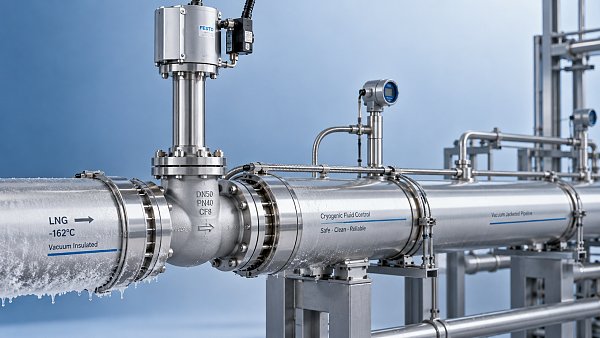
 How cryogenic service requirements affect fluid control system pricesExplore fluid control systems price drivers for cryogenic service, from materials and testing to insulation. Learn how to compare quotes, avoid hidden costs, and buy with confidence.
 When is die-cast aluminum suitable for lightweight vehicle housings?Light-weighting vehicle materials: Discover when die-cast aluminum suits vehicle housings, balancing weight savings, tooling costs, sealing, and durability for smarter design decisions.
 How to specify CNC machining tolerances for press-fit assembliesSpecify CNC machining tolerance for reliable press-fit assemblies. Learn to calculate interference, control thermal effects, and verify supplier capability to prevent costly fit failures.
 How to assess five-axis machine tool thermal stability data in Latin AmericaReview machine tool thermal stability data Latin America suppliers provide. Discover how to assess five-axis drift, ISO 230-3 tests, and site conditions for smarter purchasing decisions.
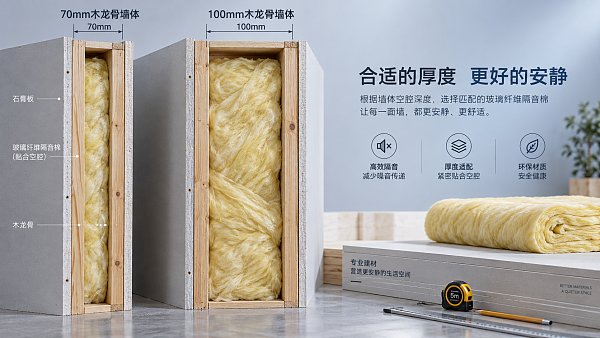
 How thick should fiberglass acoustic insulation be for wall cavities?Fiberglass acoustic insulation: how thick should it be? Explore 3.5- and 5.5-inch wall cavity options, tested STC requirements, and installation tips to avoid costly mistakes.
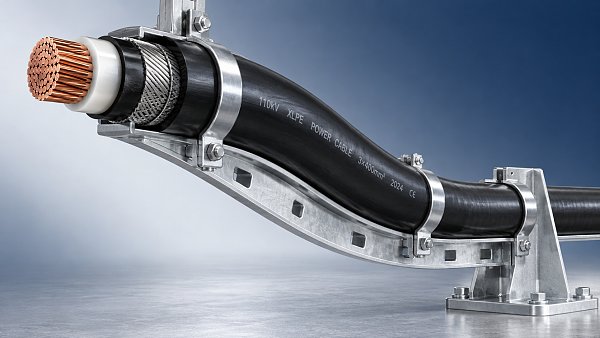
 How bending radius affects the service life of high-voltage cablesProtect highvoltagecables from bending damage. Discover how bend radius affects service life, which installation limits matter, and practical checks for lasting reliability.
 Which Fastener Grade Is Suitable for Vibration-Prone Equipment?Which industrial fastener grade is suitable for vibration-prone equipment? Compare classes 8.8, 10.9, and 12.9, preload, and locking methods to make a reliable choice.
 How Do You Select a Mechanical Seal for Chemical Service?How do I select a mechanical seal for chemical service? Explore material compatibility, single vs. dual seals, and support systems to reduce leakage risks and choose with confidence.
 Why Do Mechanical Seals Fail Prematurely?Why do mechanical seals fail prematurely? Discover how dry running, poor flushing, and misalignment cause leaks—and learn practical checks to prevent repeat failures and reduce downtime.
 Supplier Capacity Assessment: Verify Output Before Committing to VolumeSupplier capacity assessment helps verify real output, uncover bottlenecks, and confirm available capacity. Learn how to reduce delivery risks before committing to volume orders.
 Manufacturing Capability Assessment: Can a Process Hold Your Tolerances?Manufacturing capability assessment: Can your supplier hold tight tolerances? Learn how to verify Cp, Cpk, and production evidence to reduce risk and make confident qualification decisions.
 OEM Manufacturing Design Support: What to Resolve Before Tooling StartsOEM manufacturing design support helps resolve materials, tolerances, and inspection before tooling starts. Discover how to avoid costly rework and make confident tooling decisions.
 How to size extrusion equipment for a target production outputSize extrusion equipment to meet your production targets. Learn how to calculate throughput, identify line bottlenecks, and verify capacity to avoid costly sizing mistakes.
 How to assess 5-axis demand in machining center market analysisStrengthen your machining center market analysis: learn how to assess 5-axis workloads, buyer readiness, and investment costs to build credible demand forecasts and avoid costly overestimates.
 Can procurement support reduce contract manufacturing tooling delays?Discover industrial procurement support contract manufacturing teams can use to cut avoidable tooling delays, secure materials, and keep production launches on track.
 Which export insights matter when entering a new market?Export insights for new-market entry: assess demand, standards, delivered costs, supply resilience, and buyer approval paths to build a profitable expansion plan.
 How industrial technology solutions in Southeast Asia handle humid sitesIndustrial technology solutions Southeast Asia: learn how site-adapted materials, sealing, condensation control, and maintenance strategies improve reliability in humid, coastal, and high-corrosion industrial environments.
 How hospitals can size telemedicine hardware for peak virtual visitsTelemedicine hardware for hospitals: learn how to size reliable endpoints for peak virtual visits, optimize reserves, workflows, network readiness, and uptime.














Search News
Popular Tags