
EDM machine OEM supplier checks that prevent delivery disputes
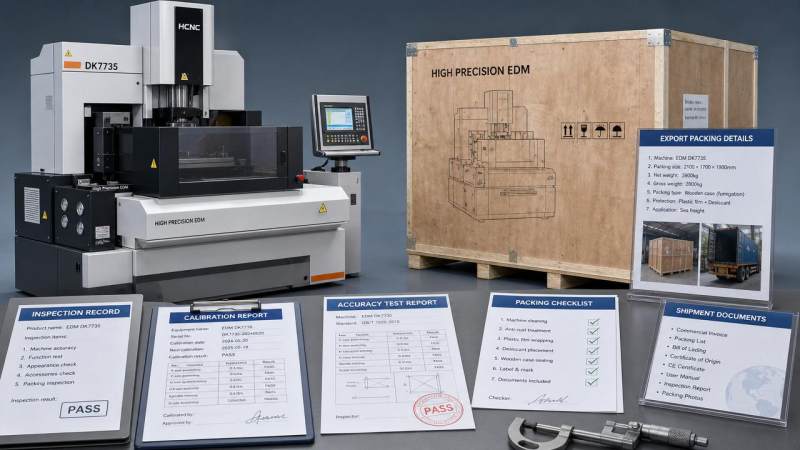
Choosing an edm machine oem supplier is rarely just about price. It is about reducing the risk of delivery disputes before production, shipment, and installation begin.
When specifications, tolerances, inspection records, lead times, and service terms stay vague, disputes often appear after payment milestones. At that point, correction costs rise fast.
This guide explains practical checks that help verify an edm machine oem supplier across different industrial situations. The goal is better schedule control, clearer contracts, and fewer quality disagreements.
When delivery risk is highest for an edm machine oem supplier
Not every sourcing case carries the same risk. Delivery disputes usually grow when the machine is customized, tolerance-sensitive, or tied to a tight commissioning deadline.
In general industry, EDM equipment may support mold work, precision toolmaking, medical parts, electronics fixtures, or aerospace-related machining preparation. Each use changes what must be checked first.
A capable edm machine oem supplier should align machine configuration, testing scope, packaging method, and documentation with the actual production scene, not with a generic quotation sheet.
Why disputes start even before the machine ships
Many conflicts come from terms that seem complete but are technically incomplete. Capacity, accuracy, acceptance method, and training scope may be mentioned, yet not defined clearly.
If “standard accuracy” replaces measurable values, both sides can later interpret performance differently. That gap often becomes a delivery delay, a payment hold, or a warranty argument.
Scenario 1: Custom machine builds need specification lock before production
Custom EDM orders create the highest dispute exposure. Added axis options, special dielectric systems, automation interfaces, and software features can all alter build time and acceptance standards.
Before issuing a purchase order, check whether the edm machine oem supplier provides a frozen technical annex. It should include measurable values, not broad marketing descriptions.
- Workpiece size range and electrode compatibility
- Positioning accuracy, repeatability, and surface finish targets
- Controller version, language package, and interface protocols
- Power requirements, cooling conditions, and site preparation limits
- FAT criteria, sample materials, and pass-fail thresholds
If these points are not fixed early, change requests become difficult to track. A reliable edm machine oem supplier should document every deviation against schedule and cost.
Scenario 2: Tight launch schedules require lead-time proof, not promises
Some projects depend on one machine arriving on time for line launch, mold trials, or outsourced capacity replacement. In these cases, verbal delivery assurance is not enough.
Ask the edm machine oem supplier for milestone evidence. This should connect procurement, assembly, inspection, packing, and export readiness to realistic dates.
Checks that reveal schedule credibility
- Current production loading and monthly output capacity
- Lead times for key components such as servo systems and generators
- Contingency plans for material shortages or subcontract bottlenecks
- Packaging completion date versus vessel booking date
- Definition of “delivery” in the contract
A dependable edm machine oem supplier will distinguish factory completion, handover to forwarder, customs release, and site arrival. Each stage matters during dispute review.
Scenario 3: Precision-critical applications need traceable inspection evidence
For high-accuracy machining support, quality disputes usually focus on whether the machine actually performs as quoted under repeatable conditions.
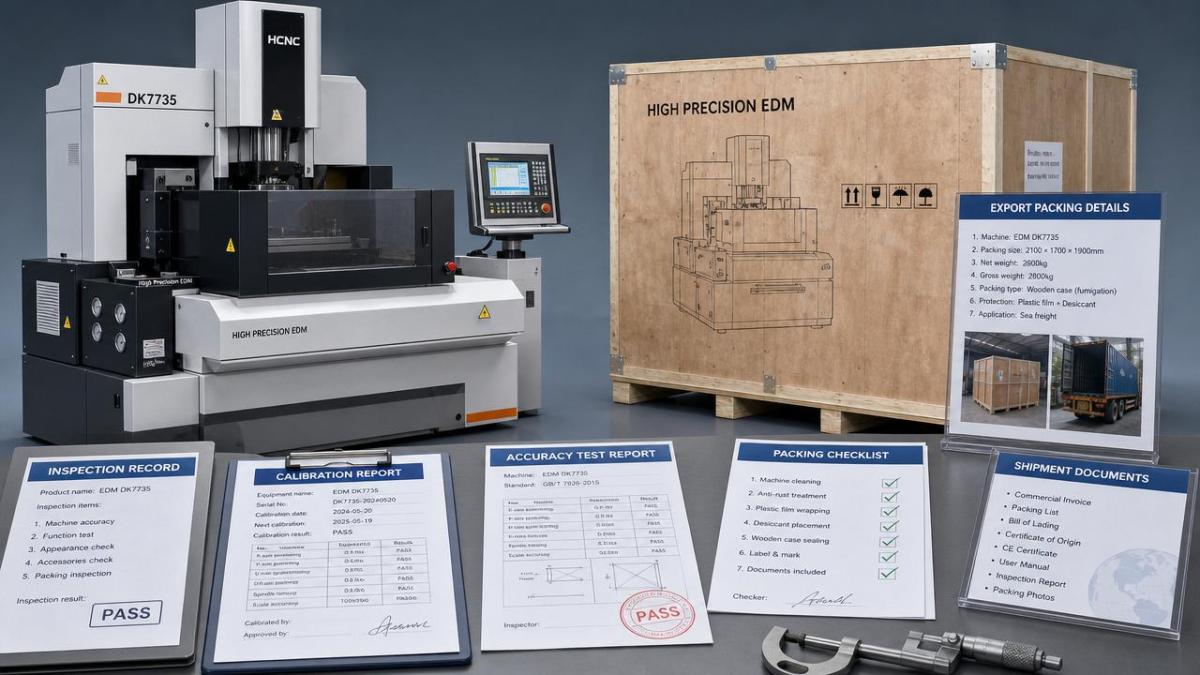
That is why inspection evidence matters more than brochure claims. A serious edm machine oem supplier should provide verifiable testing records linked to the exact machine model.
Minimum quality records worth requesting
- Machine geometry inspection records
- Ball bar, laser, or equivalent calibration reports where applicable
- Sample cutting or burn test results by material type
- Environmental conditions used during testing
- Final acceptance checklist signed before shipment
It also helps to clarify who supplies electrodes, consumables, and test samples during acceptance. Missing details here often trigger arguments later.
Scenario 4: Cross-border projects need stronger document control and service clarity
International sourcing adds risks beyond machine performance. Customs documents, voltage mismatch, installation limitations, and unclear warranty territory can all delay project closure.
A qualified edm machine oem supplier should define export packing, spare parts coding, manuals, certificates, and remote support conditions before dispatch.
Service clarity is especially important when local technicians are unavailable. Remote diagnosis, software backup, alarm response, and commissioning assistance should be written into the agreement.
How requirements differ across common application scenes
Practical fit checks before selecting an edm machine oem supplier
A practical review should compare the machine proposal against the real operating scene. This prevents buying a technically impressive system that still causes disputes in use.
- Map the machine to the target material, tolerance, and shift pattern.
- Confirm whether the edm machine oem supplier has supplied similar builds before.
- Request a pre-shipment acceptance plan with signed checkpoints.
- Define the exact trigger for final payment release.
- List excluded items, including consumables, site work, and retraining.
These steps help separate a proven edm machine oem supplier from one that only offers broad capability claims.
Common misjudgments that lead to delivery disputes
One frequent mistake is assuming model similarity means equal performance. Small changes in generator settings, control software, or axis structure can affect final results significantly.
Another mistake is accepting a general inspection certificate without linking it to the ordered configuration. Generic reports do not settle machine-specific performance disputes.
Some buyers also overlook packing and transport details. Corrosion protection, vibration control, and shock indicators matter, especially for long-distance shipment.
A further risk appears when the contract says “commissioning included” but does not define duration, language support, or fault response time. That wording invites later disagreement.
A stronger next step for validating an edm machine oem supplier
A sound decision starts with a structured review pack. Ask the edm machine oem supplier to submit technical specifications, inspection records, project timeline, sample acceptance terms, and service commitments together.
Then compare that package against the actual application scene, not only unit price. If needed, request a live test, a reference case, or a document gap list before approval.
For complex industrial sourcing, the safest route is clarity before commitment. The right edm machine oem supplier should welcome precise questions because solid documentation protects both sides.
When requirements, evidence, and responsibilities are fixed early, delivery disputes become far less likely. That is how sourcing stays aligned with uptime, quality, and long-term manufacturing stability.
Recommended News
 Can AI for multi axis machining reduce errors in complex toolpaths?AI for multi axis machining helps reduce complex toolpath errors through smarter collision detection, kinematic analysis, post validation, and machine-data insights. Learn how to improve precision.
 How seamless steel pipes are checked for wall-thickness consistencySeamlesssteelpipes wall-thickness checks explained: learn how ultrasonic scanning, calibration, and tolerance control ensure reliable, pressure-ready pipe quality.
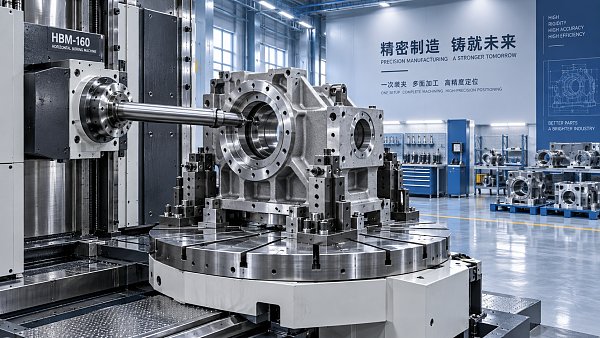
 When a horizontal boring machine for metalworking improves large-part setupHorizontal boring machine for metalworking: learn how stable datums, rotary indexing, and rigid fixturing improve large-part accuracy and setup efficiency.
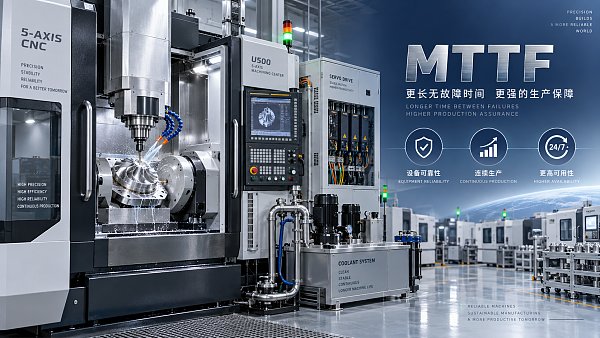
 What the MTTF standard for CNC means for machine reliabilityMTTF standard for CNC explained: learn how failure definitions, duty cycles, MTTR, and real-world data shape machine reliability and uptime.
 When does company formation offshore reduce cross-border tax risk?Companyformationoffshore can reduce cross-border tax risk when substance, governance, transfer pricing, and supply-chain roles align. Learn the key tests.
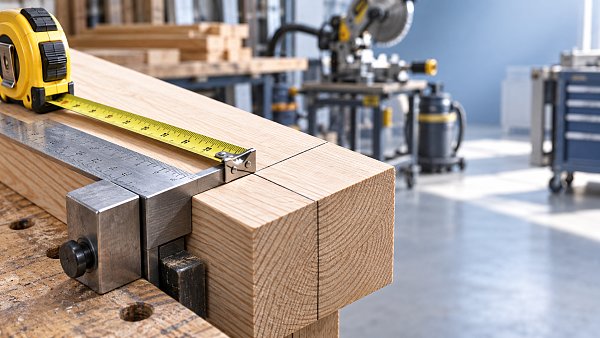
 How to read a measuring tape accurately for repeatable cutsMeasuringtape guide for accurate, repeatable cuts: master markings, hook movement, reference edges, kerf control, and stop-block setup.
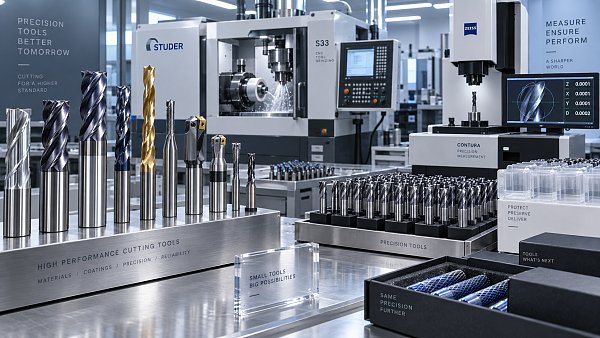
 How to assess a CNC cutting tools manufacturer before orderingAssess a CNC cutting tools manufacturer with confidence: compare quality control, application support, trial results, supply reliability, and total machining cost before ordering.
 How often should scaffolding be inspected on active job sites?Scaffolding inspection guidance for active job sites: learn when to inspect, key safety triggers, compliance intervals, and practical controls to prevent incidents.
 What to verify when sourcing precision machining tools in EuropePrecision machining tools Europe sourcing guide: verify accuracy, ISO compliance, traceability, service coverage, and delivery resilience to reduce risk and lifecycle costs.
 When electronics require precision manufacturing at micron tolerancesPrecision manufacturing solutions for electronics deliver micron-level control, reliable inspection, and scalable quality for critical housings, thermal parts, and complex assemblies.
 When do cabletrays need corrosion protection in industrial facilities?Cabletrays need corrosion protection when exposed to moisture, chemicals, salt, washdown, or condensation. Learn how to select durable materials and protect critical industrial routes.
 What suppliers must prove for manufacturing standards compliance in Southeast AsiaManufacturing standards compliance Southeast Asia: learn what suppliers must prove, from traceable materials and calibrated tools to controlled processes, safety, and shipment records.
 What to verify in a fluid control manufacturer's quality systemFluid control manufacturer quality checks: verify traceability, testing, calibration, document control, and corrective actions to reduce risk.
 When do smart device manufacturing solutions reduce assembly errors?Smart device manufacturing solutions reduce assembly errors with closed-loop controls, vision inspection, torque verification, and traceable process data. Learn what drives reliable production.
 Import trends reshaping precision tooling supply in 2026Import trends in 2026 are reshaping precision tooling supply. Discover how to reduce landed risk, strengthen sourcing resilience, and protect production performance.
 Choosing carbide end mills for stainless steel without edge chippingCarbide end mills for stainless steel: learn how to prevent edge chipping with the right substrate, geometry, coating, coolant, and stable milling parameters.
 What contract manufacturing support should cover before sourcingIndustrial procurement support for contract manufacturing: learn what to verify before sourcing, from DFM and traceability to quality, capacity, cost control, and compliance.
 When integrated precision manufacturing solutions reduce launch delaysIntegrated precision manufacturing solutions help industrial teams prevent launch delays by aligning design, sourcing, machining, sealing, testing, and supply-chain readiness.
 How tooling cost calculation changes with EDM electrode complexityTooling cost calculation for EDM electrodes: learn how geometry, electrode count, tolerances, wear, and inspection drive accurate mold cost estimates.
 Tooling cost meaning in precision casting project quotationsTooling cost meaning explained for precision casting quotations: compare scope, quality risks, lifecycle costs, and supplier assumptions to make smarter sourcing decisions.
 What is tooling cost in manufacturing for a low-volume CNC part?What is tooling cost in manufacturing? Learn how setup, fixtures, programming, and inspection affect low-volume CNC pricing—and control costs without risking quality.

Search News
Popular Tags