
CNC Cutting Tools Wholesale Mistakes That Raise Tooling Costs
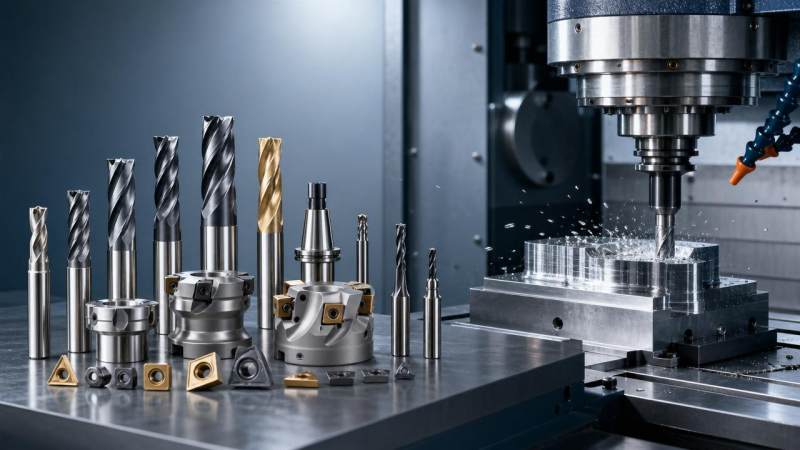
Buying cnc cutting tools wholesale can reduce unit costs, but common sourcing mistakes often lead to faster wear, unstable machining results, and unexpected downtime. For daily machining work, the real cost of a tool is not only the purchase price. It also includes tool life, repeatability, machine utilization, scrap risk, and setup stability. When wholesale decisions are made without checking grade, coating, geometry, batch consistency, or supplier process control, the apparent savings quickly disappear. This guide explains the most expensive mistakes in cnc cutting tools wholesale and shows how to avoid them with practical checks that improve cutting performance and cost control.
Why does cnc cutting tools wholesale sometimes increase total tooling cost?
The biggest misunderstanding in cnc cutting tools wholesale is assuming that a lower per-piece price automatically means lower operating cost. In reality, tooling cost is driven by cost per part, not just cost per insert, end mill, drill, or reamer. If a cheaper wholesale tool lasts 30% fewer parts, causes an extra offset correction every shift, or creates poor chip evacuation in deep cavities, the hidden cost is much higher than the invoice suggests.
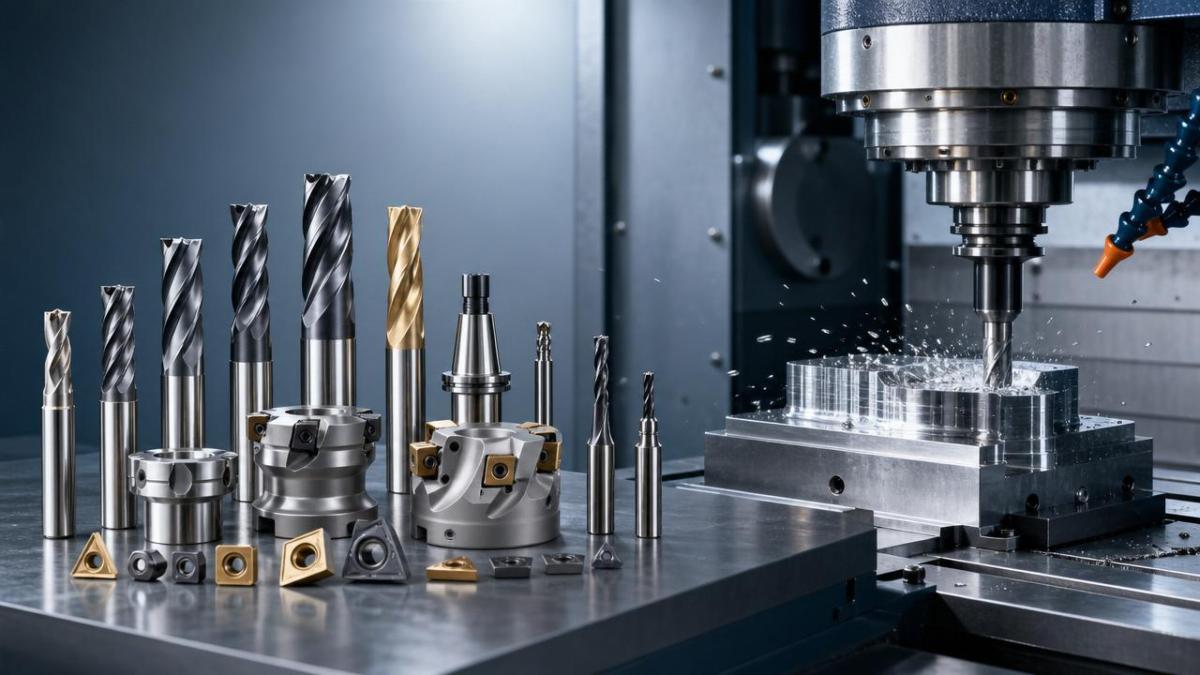
This issue appears across general manufacturing, automotive components, molds, fluid-system parts, industrial fastening hardware, and precision-engineered assemblies. A wholesale lot that looks acceptable on paper may perform inconsistently when cutting stainless steel, alloy steel, cast iron, aluminum, titanium, or hardened materials. Slight variation in substrate toughness, coating adhesion, edge preparation, and flute geometry can change surface finish, chatter behavior, and breakage risk.
A better way to evaluate cnc cutting tools wholesale is to compare total output value. Measure tool life by parts completed, monitor spindle load and cycle time, record scrap events, and check whether the tool remains predictable across multiple setups. Wholesale sourcing only works when technical consistency supports commercial savings.
What is the most common mistake when choosing tool grade and coating?
The most common mistake is buying one “general-purpose” tool grade for every material. In cnc cutting tools wholesale, broad compatibility is often marketed as a strength, but machining conditions are rarely broad in practice. A grade that works acceptably in mild steel may fail early in stainless steel because of heat concentration, built-up edge, or work hardening. A coating optimized for dry high-speed cutting may not perform well in interrupted cuts or heavy coolant environments.
How should grade and coating be checked?
Start with the actual workpiece family, hardness range, cutting mode, and machine rigidity. For turning inserts, compare substrate toughness versus wear resistance. For milling tools, verify whether the edge design is intended for slotting, side milling, finishing, or roughing. For drills, review point angle, margin design, and coolant-through capability. Then match the coating to the heat and friction pattern: TiAlN or AlTiN for heat resistance, TiCN for wear behavior in some steel applications, DLC-type solutions for non-ferrous materials, and uncoated options where edge sharpness matters most.
Another mistake in cnc cutting tools wholesale is ignoring post-coating edge condition. Even a strong coating can perform badly if the cutting edge is too honed for light finishing or too sharp for interrupted cuts. Asking for technical data on micrograin substrate, coating thickness, edge prep, and recommended speed-feed windows is far more useful than comparing catalog photos.
How do geometry and application mismatch create hidden wholesale losses?
Geometry mismatch is one of the fastest ways to waste money in cnc cutting tools wholesale. A tool can be made from good carbide and still fail because the flute count, helix angle, nose radius, chipbreaker, rake angle, or corner design does not match the job. This is especially important in mixed production where one batch includes roughing, semi-finishing, thin-wall sections, and deep pocket features.
For example, a high-flute-count end mill may look efficient, but in gummy aluminum it can trap chips and damage the wall finish. A drill chosen only by diameter may suffer from poor chip evacuation in deeper holes. A turning insert with the wrong chipbreaker can create long stringy chips that scratch finished surfaces and interrupt automation. In each case, the purchase cost stays low while labor intervention and machine stoppage rise.
Before placing a cnc cutting tools wholesale order, build a simple application map: material, operation type, depth of cut, radial engagement, coolant condition, tolerance requirement, and desired finish. This prevents the common error of using a single geometry across unrelated cutting tasks.
- Roughing tools should prioritize chip evacuation, edge security, and thermal stability.
- Finishing tools need stable edge quality, low runout sensitivity, and predictable wear pattern.
- Deep-hole and high-aspect-ratio operations demand geometry designed for evacuation and coolant delivery.
- Thin-wall parts require lower cutting force and reduced vibration tendency.
Why is supplier consistency more important than the lowest quotation?
In cnc cutting tools wholesale, consistency often matters more than the first quoted price. Two tools with the same nominal dimensions can behave very differently if manufacturing tolerances, carbide quality, coating process control, or inspection methods vary. The result is unstable offsets, changing surface roughness, unpredictable wear, and inconsistent cycle time. In tightly controlled production environments, that instability is expensive.
A reliable supplier should provide traceable batch information, repeatable technical specifications, and realistic application guidance. If the supplier cannot explain tolerance range, runout control, substrate origin, or inspection standards, the wholesale risk increases. This is particularly critical for industries that align with ISO, DIN, ASME, and JIS expectations, where repeatability and documentation support process reliability.
Another overlooked point is continuity. A successful trial does not guarantee the next shipment is identical. Good cnc cutting tools wholesale practice includes sample validation from multiple lots, not just one approval batch. This protects against lot-to-lot variation that only becomes visible after dozens or hundreds of tools enter production.
What checks should be done before placing a large cnc cutting tools wholesale order?
Large-volume buying should never begin with price alone. A structured validation process reduces both technical and commercial risk. The most practical approach is to use a pilot order with measurable acceptance criteria. This turns cnc cutting tools wholesale into a controlled engineering decision instead of a simple purchasing action.
During the pilot, compare actual cost per part, average tool life, dimensional drift, burr formation, surface finish, and downtime events. If one wholesale option appears cheaper but causes more insert indexing, spindle idle time, or rejected parts, it is not a true saving.
How can wholesale buyers avoid quality surprises after delivery?
Post-delivery verification is essential in cnc cutting tools wholesale. Even after supplier approval, incoming inspection should confirm packaging integrity, labeling accuracy, coating appearance, edge condition, and random dimensional checks. For critical jobs, run a short production validation before releasing the full batch to the floor.
It also helps to standardize a simple response plan for failures. Record whether the issue is flank wear, crater wear, chipping, notch wear, built-up edge, or sudden fracture. This makes it easier to determine whether the problem comes from grade mismatch, geometry selection, machine condition, workholding, coolant, or inconsistent tool manufacturing. Without failure classification, wholesale performance problems are often blamed on the wrong cause.
One practical safeguard is to avoid overcommitting to one stock-keeping unit unless the production mix is truly stable. In many workshops, a balanced tooling library with a few validated options performs better than an oversized single-specification cnc cutting tools wholesale purchase that forces compromise on every job.
Quick FAQ: which cnc cutting tools wholesale errors cost the most?
The most expensive cnc cutting tools wholesale mistakes are usually not dramatic. They appear as small and repeated losses: shorter life, unstable finish, extra offset changes, chip problems, and inconsistent batches. Over time, these losses outweigh any discount achieved through bulk purchasing.
A smarter wholesale strategy starts with application mapping, careful grade and coating review, geometry matching, lot validation, and incoming inspection. When wholesale sourcing is supported by technical data and controlled trials, it becomes a reliable way to lower tooling cost without sacrificing machining performance. The next practical step is to review current tool failures by material and operation, then compare them against your existing cnc cutting tools wholesale specifications before the next large order is placed.
Recommended News
 What to verify in a fluid control manufacturer's quality systemFluid control manufacturer quality checks: verify traceability, testing, calibration, document control, and corrective actions to reduce risk.
 When do smart device manufacturing solutions reduce assembly errors?Smart device manufacturing solutions reduce assembly errors with closed-loop controls, vision inspection, torque verification, and traceable process data. Learn what drives reliable production.
 Import trends reshaping precision tooling supply in 2026Import trends in 2026 are reshaping precision tooling supply. Discover how to reduce landed risk, strengthen sourcing resilience, and protect production performance.
 Choosing carbide end mills for stainless steel without edge chippingCarbide end mills for stainless steel: learn how to prevent edge chipping with the right substrate, geometry, coating, coolant, and stable milling parameters.
 What contract manufacturing support should cover before sourcingIndustrial procurement support for contract manufacturing: learn what to verify before sourcing, from DFM and traceability to quality, capacity, cost control, and compliance.
 When integrated precision manufacturing solutions reduce launch delaysIntegrated precision manufacturing solutions help industrial teams prevent launch delays by aligning design, sourcing, machining, sealing, testing, and supply-chain readiness.
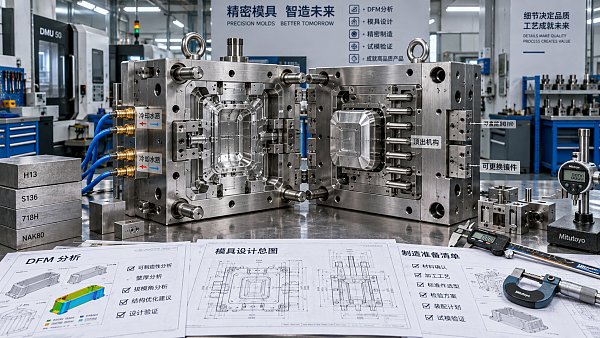
 What a tooling fee covers before an injection mold is builtTooling fee explained: discover what it covers before an injection mold is built, from DFM and mold design to validation, ownership, and cost control.
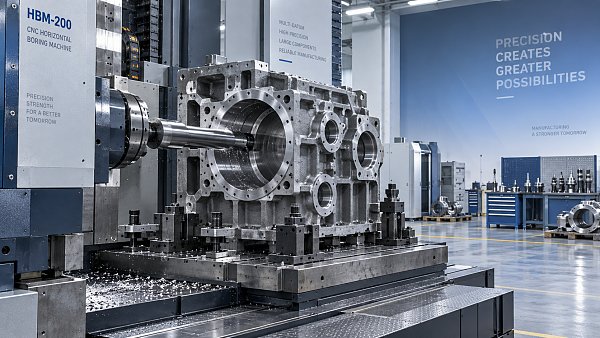
 When a horizontal boring machine improves accuracy in large metal partsDiscover when a horizontal boring machine for metalworking improves accuracy in large parts, protecting critical bore alignment, stable datums, and assembly-ready results.
 What to verify before choosing a fluid control supplier for critical flowChoose a fluid control supplier with confidence: verify pressure cycling, material compatibility, flow validation, traceability, sealing, and long-term support for critical applications.
 Cleanroom equipment application guidance to reduce contamination riskIndustrial application guidance for cleanroom equipment: reduce contamination risk with practical airflow, material flow, maintenance, and process protection strategies.
 When should wind turbine parts be replaced instead of repaired?Wind turbine parts: learn when replacement is safer than repair, how to reduce repeat failures, protect uptime, and make smarter maintenance decisions.
 What to verify before choosing a coolant flow rate and pressure supplierCoolant flow rate and pressure supplier selection guide: verify duty points, pump curves, filtration, controls and service support for reliable machining performance.
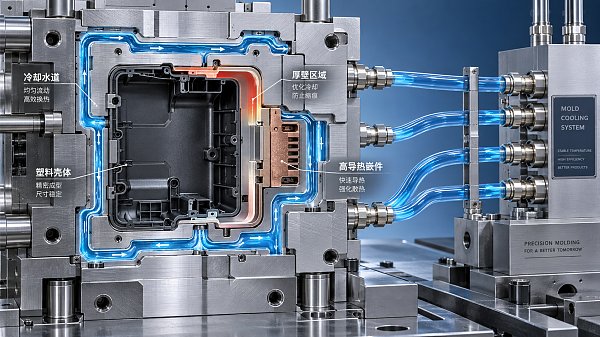
 How mold design choices affect cooling time in injection moldingDiscover how mold design affects injection molding cooling time, part stability, cycle efficiency, and long-term production quality with practical engineering insights.
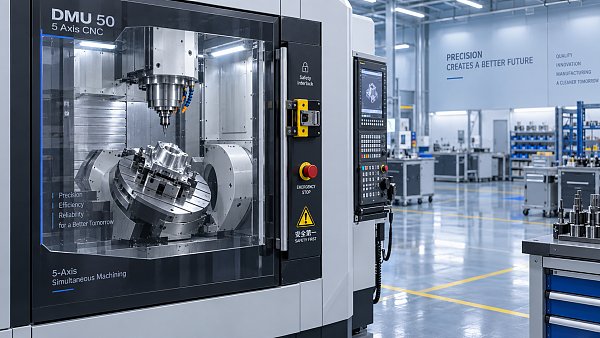
 Machine tool standards alerts that require 5-axis safety procedure updatesMachine tool standards alerts can trigger critical 5-axis safety procedure updates. Learn which changes demand action to protect operators, equipment, and production uptime.
 Does manufacturing standards compliance for semiconductors affect EDM tool approval?Manufacturing standards compliance for semiconductors shapes EDM tool approval through traceability, validation, contamination control, and inspection. Learn what proves reliable capability.
 Which medical grade materials withstand repeated sterilization in pumps?Medical grade materials for sterilizable pumps: compare 316L, PEEK, PPSU, PTFE, silicone, and EPDM for steam, radiation, and chemical resistance.
 What G-code compatibility issues arise when moving to 5-axis centers?G code compatibility issues in 5-axis centers can affect TCP, rotary limits, feeds, and safety. Learn how to validate programs before production.
 Can custom mailer boxes reduce damage costs in subscription shipping?Custommailerboxes can lower subscription shipping damage costs through right-sizing, protective inserts, stronger materials, and efficient pack-out. Discover how to reduce claims and improve delivery performance.
 How to assess a lubricants manufacturer's batch traceabilityLubricants manufacturer batch traceability: learn how to audit records, controls, CoAs, packaging, and recall readiness to reduce supply risk and protect uptime.
 When solar inverters should be replaced instead of repairedSolar inverters: learn when recurring faults, obsolete parts, safety damage, and rising lifecycle costs make replacement smarter than repair.
 What to verify before choosing a first aid kits distributorFirst aid kits distributor checklist: verify compliance, traceability, expiry control, replenishment, and multi-site delivery before choosing a reliable supplier.













Search News
Popular Tags