
CNC cutting tools wholesale trends reshaping lead times in 2026
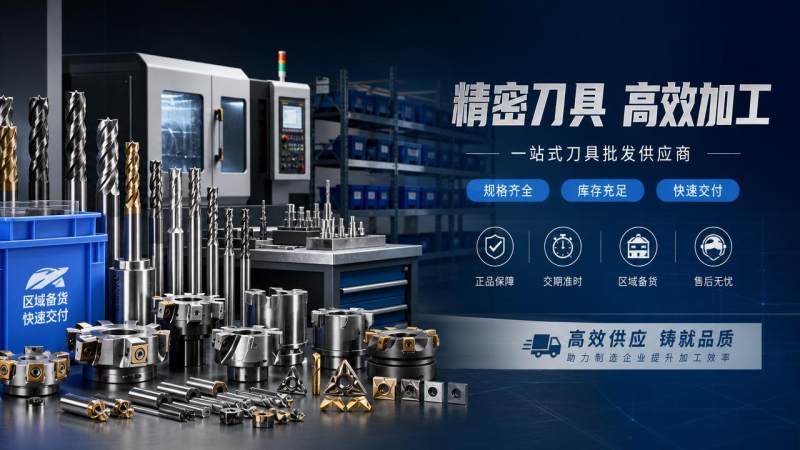
In 2026, cnc cutting tools wholesale is no longer defined by price alone—it is being reshaped by lead-time pressure, supplier regionalization, and demand for higher machining consistency. For distributors, agents, and channel partners, understanding these shifts is critical to securing inventory, protecting margins, and meeting industrial buyers’ expectations in increasingly volatile global supply chains.
Why is cnc cutting tools wholesale changing so quickly in 2026?
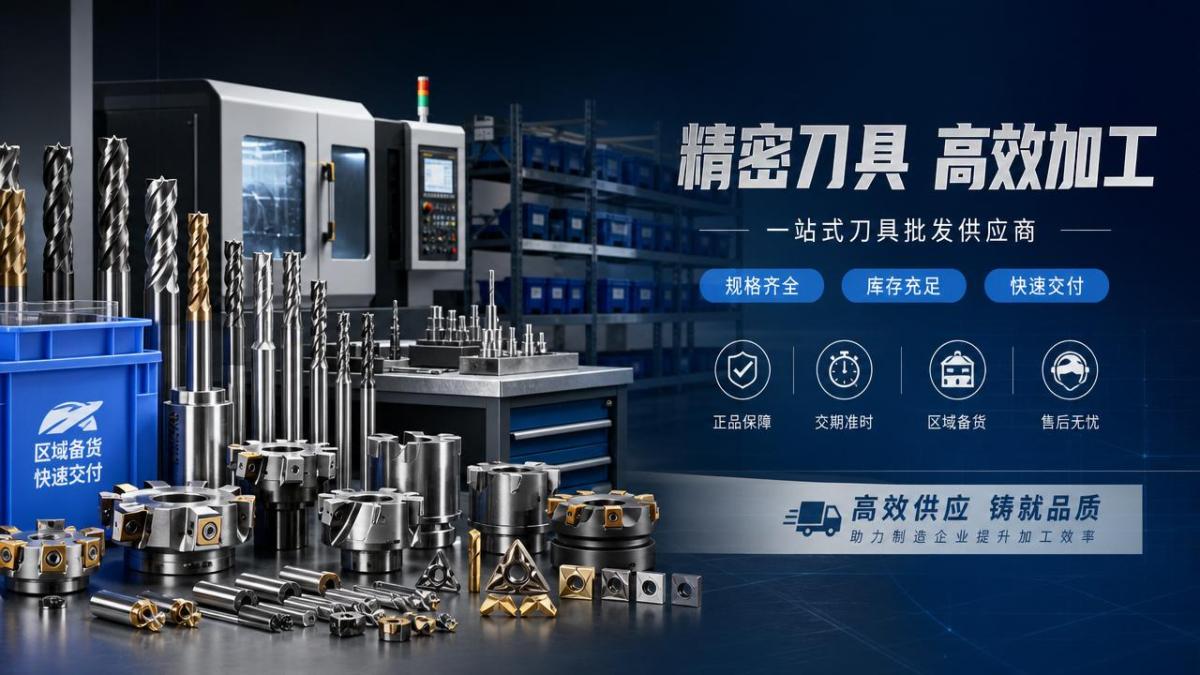
The cnc cutting tools wholesale market now reflects deeper industrial stress across materials, logistics, and production scheduling.
Long ocean routes, uneven carbide supply, and slower customs processing have made traditional sourcing models less reliable.
At the same time, machining users expect tighter tolerances, longer tool life, and faster replenishment.
This creates a new balance point for cnc cutting tools wholesale: predictable availability matters almost as much as unit cost.
Another factor is equipment evolution. More facilities now run high-speed spindles, unmanned night shifts, and multi-axis programs.
Those conditions punish unstable inserts, inconsistent coatings, and delayed deliveries more than before.
As a result, cnc cutting tools wholesale decisions increasingly combine commercial criteria with engineering risk assessment.
What signals define this shift?
- Shorter acceptable lead times for standard and semi-special tools
- Greater demand for regional stocking hubs
- Higher scrutiny of coating uniformity and substrate quality
- More dual-sourcing and supplier qualification programs
- Preference for suppliers with technical data and application support
How do lead times now affect cnc cutting tools wholesale buying decisions?
Lead time has become a direct cost driver, not just a planning inconvenience.
When inserts, end mills, drills, or boring tools arrive late, machine utilization drops and urgent substitutions increase.
That often causes scrap, program changes, or unstable cycle times across serial production.
In cnc cutting tools wholesale, the hidden cost of delay can exceed the visible savings from a lower purchase price.
A common 2026 pattern is the split between standard catalog tools and engineered specials.
Standard SKUs may recover faster through local warehousing, but specials still carry long approval and production cycles.
That is why many wholesale programs now classify tools into urgency tiers.
Which lead-time categories matter most?
- Immediate-use consumables, such as turning inserts and spot drills
- Medium-cycle tools, such as solid carbide end mills and reamers
- Long-cycle customs, such as form tools and special boring systems
Each category needs a different cnc cutting tools wholesale planning method, safety stock level, and supplier commitment.
What does supplier regionalization mean for cnc cutting tools wholesale?
Supplier regionalization means sourcing is moving closer to demand centers, not necessarily replacing global production completely.
In cnc cutting tools wholesale, this usually appears as regional warehouses, local finishing capacity, or hybrid supply agreements.
For example, carbide blanks may be produced internationally, while grinding, coating, or stocking happens nearer final users.
This model reduces transit risk and improves response time for repeat demand.
Regionalization also helps with compliance, technical communication, and after-sales issue resolution.
However, it does not automatically guarantee better value.
Some regional suppliers lack coating depth, grade breadth, or process documentation needed for complex machining applications.
How should regional and global sources be compared?
How can quality consistency be verified in cnc cutting tools wholesale?
Quality consistency is now a central filter in cnc cutting tools wholesale, especially where automation reduces tolerance for variation.
A low-cost tool batch can create major losses if edge preparation, concentricity, or coating adhesion changes unexpectedly.
Verification should begin with documented specifications, not sales claims alone.
Useful indicators include substrate grade traceability, geometry repeatability, coating process control, and lot-level inspection records.
Application testing also matters. Dry cuts, interrupted cuts, exotic alloys, and high-feed paths reveal weaknesses quickly.
In many cases, tool consistency improves inventory efficiency because fewer emergency substitutions are needed.
What should be checked before approving a supplier?
- Dimensional tolerance reports and batch records
- Coating type, thickness range, and process capability
- Performance results in target materials
- Packaging protection and labeling accuracy
- Replacement policy for nonconforming lots
What risks and misconceptions still surround cnc cutting tools wholesale?
One common misconception is that all standard-looking tools are interchangeable.
In reality, small geometry differences can alter chip control, heat generation, and tool wear behavior.
Another risk is overreacting to disruption by carrying excessive inventory.
That can freeze cash and leave slow-moving items obsolete when machining programs change.
A third issue in cnc cutting tools wholesale is relying only on headline lead times.
Quoted lead time may exclude coating queues, export paperwork, or backlog on special grades.
There is also the risk of choosing suppliers without technical support for cutting data optimization.
Without application guidance, even a good tool may underperform in production.
Practical risk controls
- Use approved alternates for high-consumption SKUs
- Track actual receipt time, not promised ship date
- Separate strategic stock from speculative stock
- Validate performance with controlled trial lots
How should businesses prepare a stronger cnc cutting tools wholesale strategy for 2026?
A stronger cnc cutting tools wholesale strategy starts with segmentation.
Group tools by usage rate, process criticality, replacement difficulty, and acceptable downtime impact.
Then align each group with the right sourcing model.
Fast-moving inserts may need regional stocking, while engineered cutters may require framework forecasting and technical review cycles.
Data discipline is equally important.
Track scrap incidents, tool life variation, emergency freight, and stockout frequency alongside purchase price.
That reveals the real economics of cnc cutting tools wholesale more accurately than invoice comparisons alone.
Finally, strengthen supplier evaluation with engineering depth.
Reliable partners should offer traceable specifications, process transparency, and responsive support across changing machining conditions.
2026 readiness checklist
The biggest lesson from 2026 is clear: cnc cutting tools wholesale now depends on resilience, quality stability, and response speed.
Price still matters, but isolated price comparisons no longer reflect operational reality.
A better path is to compare sources through lead-time reliability, technical depth, and performance consistency.
Use current demand data, test critical SKUs, and build balanced sourcing options before shortages force reactive decisions.
That approach helps cnc cutting tools wholesale programs stay competitive while supporting stable machining performance in a less predictable industrial environment.
Recommended News
 Laminated Safety Glass Bulk Buying Guide: Thickness, Standards, and Supplier ChecksLaminated safety glass bulk buying guide covering thickness selection, key standards, and supplier checks. Learn how to reduce risk, verify compliance, and source with confidence.
 How AR Is Used in Training, Maintenance, and Product Visualization Across IndustriesAR transforms training, maintenance, and product visualization across industries by reducing errors, speeding decisions, and improving technical accuracy. See where it delivers real value.
 Hydraulic Press Specifications Explained: Tonnage, Stroke, Bed Size, and PowerHydraulic press specifications explained clearly: compare tonnage, stroke, bed size, and power to match tooling, improve uptime, and choose the right press with confidence.
 Bedding Sets Price Breakdown: What Affects Cost Across Materials, Sizes, and MOQBedding sets price explained: compare costs by material, size, and MOQ, uncover hidden fees, and make smarter supplier decisions with confidence.
 How to Choose a Stationery Wholesale Supplier for Schools, Offices, and RetailStationery wholesale buying starts with the right supplier. Learn how schools, offices, and retailers can compare quality, cost, delivery, and service to choose a reliable partner.
 How to Evaluate a B2B Network for Supplier Discovery and Partnership QualityB2B network evaluation starts with data depth, risk signals, and partnership quality. Learn how to identify qualified suppliers faster and make smarter procurement decisions.
 Why Thermal Barcode Labels Fail: Smudging, Fading, and Adhesive Issues SolvedThermalbarcodelabels failing from smudging, fading, or peeling? Discover the real causes, proven fixes, and smarter label choices to improve scan reliability and adhesion.
 Gas Detectors for Industrial Safety: Fixed vs Portable and What to CheckGasdetectors for industrial safety: compare fixed vs portable options, key checks for hazards, placement, alarms, and maintenance to improve compliance, uptime, and worker protection.
 Smart Health Devices Explained: Key Features, Data Types, and Use CasesSmart health devices explained: discover key features, data types, and real-world use cases to compare options smarter and choose reliable solutions with confidence.
 How to Choose STEM Education Kits for Different Age Groups and Learning GoalsSTEM education kits made simple: discover how to choose the best options by age, skill level, and learning goals to boost curiosity, confidence, and long-term value.
 Organic Fertilizers Explained: Types, Nutrient Content, and Best Use CasesOrganic fertilizers explained clearly: compare types, nutrient content, release speed, and best use cases for gardens, farms, and landscapes to choose smarter and grow better.
 E-Learning vs Classroom Training: Which Works Better for Employee Upskilling?E-learning vs classroom training: discover which model drives faster employee upskilling, better retention, and stronger business results—and why blended learning often wins.
 Radiators Manufacturer Comparison: Key Specs, Materials, and OEM CapabilitiesRadiators manufacturer comparison guide: evaluate key specs, material quality, pressure performance, and OEM capabilities to choose a reliable supplier with lower lifecycle risk.
 Architectural Low E Glass Wholesale: What Buyers Should Check Before OrderingArchitectural low e glass wholesale buyers should verify U-value, SHGC, coating type, fabrication fit, and compliance before ordering to reduce risk, control cost, and choose with confidence.
 How to Choose Stainless Steel Fasteners for Outdoor and Marine Applicationsstainlesssteelfasteners guide: learn how to choose 304, 316, or duplex fasteners for outdoor and marine use, avoid corrosion risks, and buy smarter for longer service life.
 Why Nursing Pads Leak or Shift: Common Causes and How to Choose Better ProtectionNursingpads leaking or shifting? Discover the most common causes, what features really improve protection, and how to choose comfortable nursing pads that stay in place.
 Kraft Paper Bags vs Plastic Bags: Which Packaging Option Fits Cost, Strength, and Compliance?kraftpaperbags vs plastic bags: compare real cost, load strength, moisture limits, and compliance risks to choose smarter packaging for retail, food, and industrial use.
 How an Industrial Database for Manufacturing Helps Source Suppliers and Compare CapabilitiesIndustrial database for manufacturing helps buyers source qualified suppliers, compare capabilities, reduce risk, and make faster procurement decisions with confidence.
 How to Choose Gear Machinery: Load Capacity, Speed, Precision, and Maintenance FactorsGear machinery selection made simple: learn how to compare load capacity, speed, precision, and maintenance factors to reduce downtime, improve efficiency, and choose the right system with confidence.
 Insulation & Waterproofing Explained: Key Materials, Methods, and Where Each Works BestInsulation & Waterproofing explained clearly: compare key materials, installation methods, failure risks, and where each system works best for durable, efficient projects.
 Automatic Mechanical Watches Explained: How They Work and What Affects Accuracyautomaticmechanicalwatches explained clearly: learn how self-winding movements work, what impacts accuracy, and how to choose a reliable model with confidence.














Search News
Popular Tags