
Why Light-weighting vehicle materials affect EV range
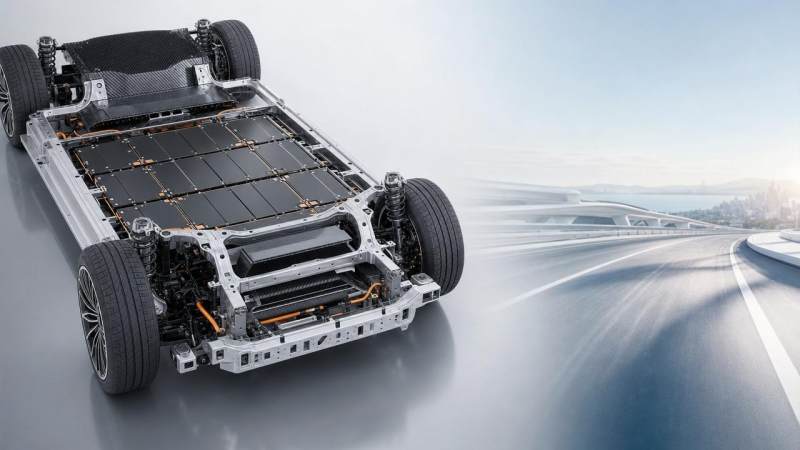
Light-weighting vehicle materials play a decisive role in how far an electric vehicle can travel on a single charge, but the engineering trade-offs are more complex than simply reducing mass.
For technical evaluators, material choices must be assessed against structural integrity, crash performance, manufacturability, cost, and lifecycle durability.
As EV platforms push for higher efficiency and lower battery dependency, understanding Light-weighting vehicle materials becomes essential for design, sourcing, machining, and validation decisions.
Why Light-weighting Vehicle Materials Matter in Real EV Range Scenarios
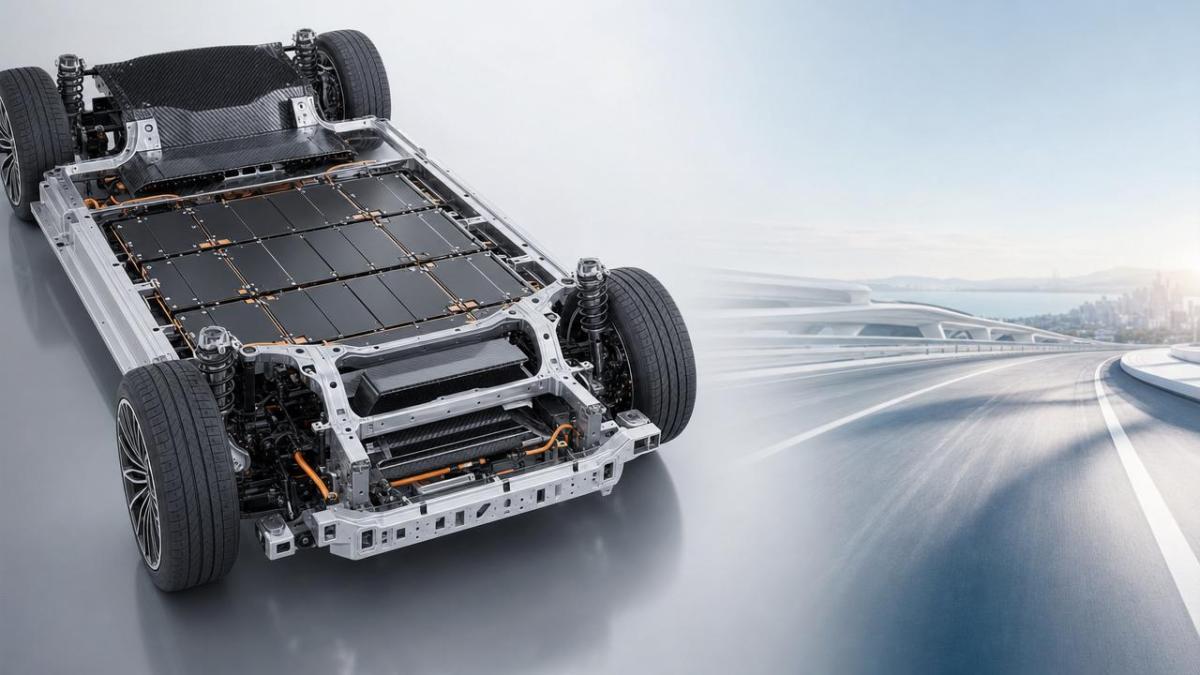
EV range is not determined by battery capacity alone. Vehicle mass changes rolling resistance, acceleration energy, braking recovery, tire loading, and thermal demand.
Light-weighting vehicle materials reduce the energy required to move the platform, especially during urban acceleration and stop-start operation.
However, lightweight design must protect stiffness, fatigue resistance, impact behavior, and joining quality across the entire vehicle lifecycle.
The practical question is not whether lighter is better. The question is where mass reduction creates measurable system value.
Advanced aluminum alloys, high-strength steel, magnesium, titanium, carbon composites, and engineered polymers each influence range differently.
Their impact depends on vehicle segment, battery size, duty cycle, thermal architecture, production volume, and repair strategy.
Scenario Background: Range Gains Depend on Duty Cycle
Light-weighting vehicle materials deliver different results in city cars, delivery fleets, premium SUVs, buses, and performance platforms.
In urban use, repeated acceleration magnifies the value of mass reduction. A lighter body-in-white can improve energy consumption noticeably.
On highways, aerodynamic drag often dominates. Lightweight materials still help, but the gain may be smaller than drag optimization.
For commercial EVs, payload sensitivity is critical. Reducing structural mass can increase usable cargo without enlarging the battery.
For heavy-duty platforms, Light-weighting vehicle materials can protect route reliability, axle-load compliance, and charging productivity.
Urban EV Scenario: Acceleration Efficiency Drives Material Value
Urban EVs repeatedly accelerate from low speed. Each acceleration event consumes energy proportional to vehicle mass.
Light-weighting vehicle materials can reduce peak propulsion demand and improve low-speed efficiency without changing the battery chemistry.
The strongest candidates include aluminum closures, high-strength steel structures, polymer modules, and optimized seat frames.
The core judgment point is cost per kilogram saved versus verified energy consumption improvement in real driving cycles.
Precision machining matters when lightweight castings require tight tolerances, stable sealing faces, and repeatable assembly interfaces.
Highway EV Scenario: Lightweight Design Must Work with Aerodynamics
At sustained highway speed, aerodynamic drag can outweigh mass-related losses. This changes the value calculation.
Light-weighting vehicle materials still affect climbing, passing, braking, and tire load, but body shape becomes equally important.
Composite panels can support aerodynamic shaping, but they introduce questions around repair, recycling, bonding, and dimensional control.
Aluminum and advanced steel often provide more predictable joining and crash validation for high-volume highway platforms.
The best decision combines mass reduction, drag reduction, noise performance, corrosion protection, and production repeatability.
Commercial Delivery Scenario: Payload and Uptime Define the Benefit
Delivery EVs are judged by route completion, payload, operating cost, and uptime. Range is only one part of the calculation.
Light-weighting vehicle materials can increase cargo allowance while reducing battery stress during repeated loading cycles.
Material selection must consider door cycles, floor abrasion, suspension loads, and thermal exposure during frequent charging.
Aluminum extrusions, reinforced polymer panels, and fatigue-resistant fastener systems often deliver practical benefits.
The core judgment point is total route energy per delivered kilogram, not only laboratory range improvement.
Performance EV Scenario: Weight Reduction Changes Handling and Thermal Load
Performance EVs need acceleration, braking stability, cornering response, and battery thermal consistency under high load.
Light-weighting vehicle materials reduce inertia and can lower heat generation in tires, brakes, suspension, and drive components.
Carbon composites, forged aluminum, titanium fasteners, and precision-machined structural nodes may justify higher costs.
Yet excessive material substitution can create joining complexity, galvanic corrosion, vibration issues, and repair uncertainty.
The right approach balances stiffness-to-weight ratio with crashworthiness, heat paths, and service inspection requirements.
Battery Pack Scenario: Structural Materials Influence More Than Mass
Battery packs are among the most sensitive zones for lightweight engineering. They combine structure, sealing, thermal control, and safety containment.
Light-weighting vehicle materials in pack trays can reduce mass while improving stiffness and dimensional stability.
Aluminum die-cast housings, extruded frames, composite covers, and engineered sealing interfaces require precise process control.
Poor machining or sealing can undermine thermal safety, water resistance, and battery durability.
Material decisions should be validated against vibration, thermal cycling, crash intrusion, corrosion, and repair accessibility.
Different Scenarios Require Different Material Priorities
This comparison shows why Light-weighting vehicle materials must be evaluated through application conditions, not generic weight targets.
Material Adaptation: Matching Alloys, Composites, and Processes
Material substitution succeeds only when the production process supports dimensional stability, joining strength, and repeatable quality.
Aluminum offers attractive weight savings, corrosion resistance, and manufacturability, especially in castings, extrusions, and body panels.
High-strength steel remains valuable where crash energy absorption, cost control, and familiar repair systems are critical.
Magnesium can reduce mass further, but corrosion protection, fire behavior, and forming limits need careful engineering.
Carbon composites provide excellent stiffness-to-weight performance, but cost, cycle time, inspection, and recyclability remain challenging.
Light-weighting vehicle materials also require compatible fasteners, adhesives, seals, lubricants, coatings, and machining strategies.
Precision Machining and Joining: Where Range Decisions Become Real
A lightweight component only improves EV range if it performs reliably after production, assembly, and field exposure.
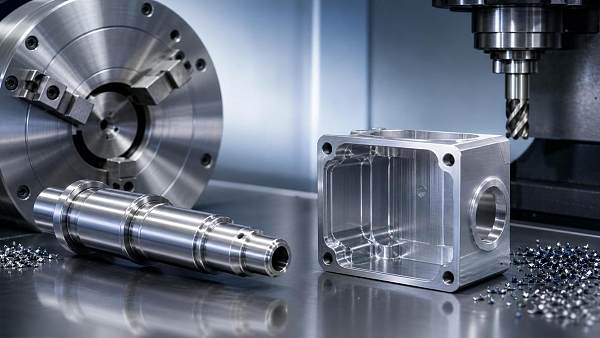
Precision machining controls flatness, hole position, sealing surfaces, and structural interfaces in lightweight castings and extrusions.
In battery trays, motor housings, suspension nodes, and pump bodies, small tolerance errors can create large system risks.
Joining is equally important. Mixed-material designs may require rivets, laser welding, friction stir welding, or structural adhesives.
When Light-weighting vehicle materials are combined incorrectly, galvanic corrosion and stress concentration can reduce durability.
Scenario-Based Adaptation Recommendations
- Model energy consumption by duty cycle before selecting advanced lightweight materials.
- Prioritize components with high mass, high load, or repeated acceleration influence.
- Validate crash performance before accepting aggressive mass reduction targets.
- Check machining capability for tight-tolerance aluminum and composite-adjacent interfaces.
- Assess repairability, corrosion control, and recyclability during early design reviews.
- Compare battery downsizing potential against added material and processing cost.
These steps make Light-weighting vehicle materials easier to connect with measurable range, cost, and reliability outcomes.
Common Misjudgments When Estimating EV Range Gains
One common mistake is assuming every kilogram saved creates the same range benefit in every platform.
Another mistake is ignoring the energy and cost required to produce lightweight materials.
Lifecycle assessment can change the preferred option, especially for composites, magnesium parts, and high-energy alloy production.
A third mistake is reducing mass without considering noise, vibration, and harshness.
Lightweight structures may transmit vibration differently, requiring additional damping that offsets some weight savings.
A fourth mistake is treating Light-weighting vehicle materials as isolated part decisions rather than system-level engineering choices.
Mass reduction can influence tires, brakes, suspension tuning, cooling loads, battery sizing, and structural packaging.
Procurement and Engineering Checks Before Material Selection
Before approving a lightweight material strategy, several practical checks should be completed across design and production teams.
- Confirm material standards, including ISO, DIN, ASME, JIS, or project-specific requirements.
- Review supplier capability for casting, forging, machining, coating, and inspection.
- Test fatigue resistance under representative road, payload, and thermal cycles.
- Validate sealing and corrosion performance for battery and fluid-control interfaces.
- Quantify cost per kilometer of range gained, not only cost per kilogram saved.
This evaluation prevents Light-weighting vehicle materials from becoming a cost increase without verified operational benefit.
How G-PME Supports Data-Driven Lightweight Decisions
Global Precision-Machining & Engineering connects material intelligence with machining, fastening, sealing, die-casting, and lubricant expertise.
This matters because EV lightweighting rarely depends on a single material or process.
Light-weighting vehicle materials must be benchmarked against manufacturing capability, raw material volatility, supply-chain resilience, and verified performance standards.
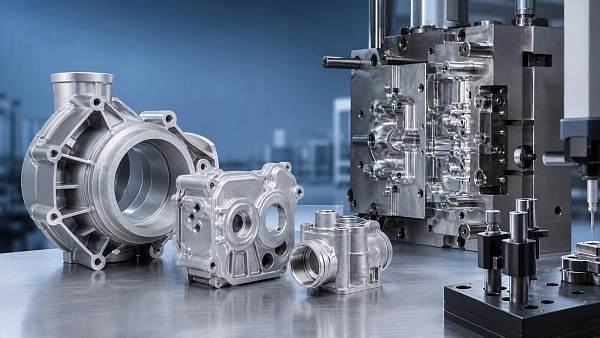
For aluminum battery housings, precision die-casting and CNC finishing determine sealing quality and dimensional integrity.
For mixed-material assemblies, fastening systems and anti-corrosion strategies protect long-term structural reliability.
For thermal and fluid systems, pump components, seals, and functional chemicals must support lower energy consumption.
Action Guide: Turning Lightweight Ambition into Range Value
The next step is to define the EV scenario before choosing a material roadmap.
Start with real route data, payload profiles, target range, charging windows, and structural safety requirements.
Then identify components where Light-weighting vehicle materials can reduce energy consumption without compromising durability.
Finally, validate the selected material through simulation, prototype testing, machining trials, joining assessment, and lifecycle cost analysis.
A disciplined scenario-based process turns lightweight design from a marketing claim into measurable EV range improvement.
Used correctly, Light-weighting vehicle materials help reduce battery dependency, improve platform efficiency, and strengthen long-term vehicle competitiveness.
Recommended News
 Material Selection for Manufacturing Corrosion Resistance in Chemical and Wet EnvironmentsMaterial selection for manufacturing corrosion resistance starts with the real service environment. Learn how to reduce failures, control lifecycle cost, and choose durable materials for chemical and wet applications.
 Corrosion-Resistant Material Selection for Manufacturing: How to Balance Life and CostMaterial selection for manufacturing corrosion resistance: learn how to balance service life and total cost, compare material options, avoid failure risks, and make smarter, more reliable manufacturing decisions.
 CNC Machine Tools for Metalworking: Key Types, Axis Options, and Best-Fit UsesCNC machine tools for metalworking explained: compare key machine types, 3-, 4-, and 5-axis options, and best-fit industrial uses to choose smarter, faster, and more precise production solutions.
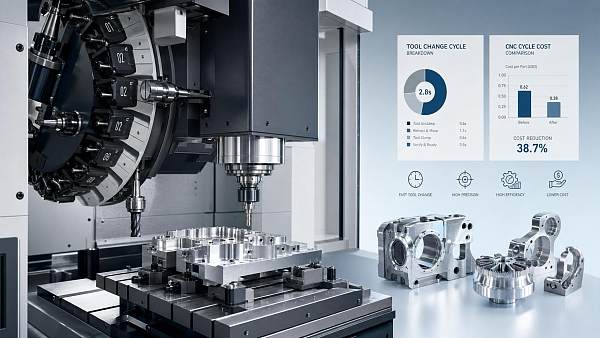
 How to Use ATC Tool Change Time Data to Compare CNC Cycle Cost AccuratelyATC (tool change) time data cost analysis helps you compare CNC cycle cost accurately, expose hidden quote gaps, and choose suppliers with more reliable, profitable machining economics.
 Machine Tool Standards Update: What Changed and How to Check ComplianceMachine tool standards update: learn what changed, which machines are affected, and how to check compliance fast with practical audit tips to reduce risk and avoid costly gaps.
 What Drives Cobalt Price and Tool Costs? Key Factors Buyers Should TrackCobalt price tool costs are rising fast—learn the key market, supply, and production signals buyers should track to forecast tool budgets, reduce risk, and make smarter sourcing decisions.
 How to Evaluate a Rotary Table for CNC with CE Certification for 4th-Axis MachiningRotary table for CNC CE certified: learn how to evaluate accuracy, backlash, control compatibility, and compliance for reliable 4th-axis machining.
 Semiconductor Chips vs ICs vs Microprocessors: What the Differences Mean in Real ApplicationsSemiconductor chips explained: learn how chips, ICs, and microprocessors differ in industrial systems, and make smarter sourcing, design, and reliability decisions.
 Structural Steel Beams Wholesale: How Buyers Compare Grades, Sizes, and Lead TimesStructural steel beams wholesale buyers compare more than price—learn how grades, sizes, certifications, and lead times affect project cost, risk, and supply reliability.
 Crop Protection Methods Explained: How to Choose by Pest Type, Crop Stage, and RiskCrop protection explained clearly: learn how to choose the right method by pest type, crop stage, and field risk for smarter decisions, better timing, and more reliable results.
 Metallurgical Coke Explained: Grades, Key Properties, and Uses in IronmakingMetallurgicalcoke explained: explore grades, key properties like CSR, CRI, ash, and sulfur, plus real ironmaking uses to compare supply options and improve furnace performance.
 What Drives CNC Tooling Cost? A Practical Breakdown for Quoting and Budget ControlCNC tooling cost explained clearly: learn how tool material, geometry, batch size, and machine conditions affect quotes, cost per part, and smarter budget control.
 How to Evaluate an Advanced CNC Machining Supplier for Tight-Tolerance PartsAdvanced CNC machining supplier selection starts with proof, not promises. Learn how to assess tolerance control, inspection, traceability, and delivery risk for reliable parts.
 How Die Casting Mold Cooling Affects Cycle Time, Part Quality, and Die LifeDie casting mold cooling directly shapes cycle time, casting quality, and die life. Learn how thermal balance cuts scrap, boosts uptime, and supports more reliable production.
 Smart Street Lighting for Urban Areas: Key Features, Control Options, and Deployment FactorsSmart street lighting for urban areas: explore key features, control options, and deployment factors to improve safety, cut energy costs, and build scalable, future-ready city lighting.
 Industrial Machining Turning vs Milling: Which Process Fits Part Geometry and Cost Targets?Industrial machining turning vs milling: learn how to match part geometry, tolerance, material, and volume to the right process for lower cost, better quality, and smarter sourcing.
 Greenhouse Supplies Checklist: What to Buy First for Ventilation, Irrigation, and Plant SupportGreenhouse supplies checklist: learn what to buy first for ventilation, irrigation, and plant support to protect crops, save water, reduce labor, and build a more productive greenhouse.
 Ball Linear Guides for CNC: What Load, Accuracy, and Rail Size Should You Compare?Ball linear guides CNC selection starts with real load, accuracy, and rail size—not catalog claims. Compare stiffness, preload, and lifecycle cost to choose guides that improve precision and uptime.
 Precision Die Casting for Industrial Equipment: Key Tolerances, Alloys, and Use CasesPrecision die casting for industrial equipment explained: key tolerances, aluminum and zinc alloy options, major use cases, and practical tips to improve quality, reliability, and sourcing decisions.
 How to Choose Workplace Solutions for Hybrid Teams and Multi-Site OperationsWorkplace solutions for hybrid teams and multi-site operations: learn how to compare visibility, integration, scalability, and resilience to choose a smarter, high-impact setup.
 How to Use a Supplier Directory for Heavy Machinery to Compare Vendors and Reduce RiskUse a supplier directory for heavy machinery to compare vendors by compliance, service, lead time, and risk—not just price. Learn how to shortlist smarter and source with confidence.







Search News
Popular Tags