
Why do refractorybricks fail sooner than expected?

When refractorybricks fail earlier than planned, the consequences go beyond repair costs: production stability, worker safety, energy efficiency, and compliance performance can all be affected. For quality control and safety managers, premature failure is rarely caused by a single defect; it often reflects a chain of issues involving material selection, installation quality, thermal cycling, chemical attack, mechanical stress, or poor inspection routines. Understanding these root causes helps teams prevent unexpected shutdowns, reduce hazard exposure, and build a more reliable refractory maintenance strategy.
In high-temperature production environments, refractorybricks are not passive construction materials. They are engineered barriers that protect steel shells, control heat transfer, and stabilize process conditions.
For quality control teams, early brick failure is a measurable signal. It indicates that design assumptions, installation records, operating discipline, or inspection intervals require verification.
The real failure pattern behind shortened refractory service life

Most refractorybricks are specified for a defined campaign length, often measured in months, heats, batches, or operating cycles. Failure becomes premature when actual life falls below that baseline.
A furnace lining expected to run 12 months but requiring major repair after 6 months has a different risk profile than planned wear at shutdown.
Why quality and safety teams should treat failure as a system event
Refractorybricks can crack, spall, melt, erode, loosen, or chemically degrade. Each symptom reflects interaction between material properties and operating reality.
A single broken brick may appear minor, yet it can expose anchors, steel shells, expansion joints, or nearby insulation to abnormal thermal load.
- Localized shell temperature rising by 30°C–80°C compared with baseline readings.
- Repeated hot spots appearing within 2–4 weeks after patch repair.
- Visible lining gaps greater than 3 mm in high-stress zones.
- Unplanned shutdown frequency increasing from quarterly to monthly maintenance events.
These indicators should trigger root-cause review, not only emergency repair. Replacing damaged refractorybricks without understanding the failure mechanism often repeats the problem.
Common failure modes and what they usually mean
The table below helps inspectors connect visible damage to probable causes. It is intended as a practical screening tool, not a substitute for laboratory analysis.
The key conclusion is simple: the same damaged brick appearance may have different origins. Inspection logs should record location, time, temperature, chemistry, and repair history.
Material selection errors that weaken refractorybricks from day one
Premature failure often begins before installation. A brick may meet purchase specifications but still be unsuitable for the exact furnace zone and exposure pattern.
Procurement teams may compare unit price, density, and apparent porosity, yet overlook slag resistance, thermal conductivity, creep, and load-bearing behavior at temperature.
Matching brick chemistry to the process environment
Refractorybricks are commonly selected from alumina, silica, magnesia, chrome-magnesia, carbon-bonded, or insulating categories. Each has a different chemical resistance profile.
For example, high-alumina bricks may perform well in many hot-face zones, while basic bricks are often preferred where basic slag exposure dominates.
If the operating atmosphere includes alkali vapor, reducing gas, molten metal contact, or abrasive dust, the wrong brick can deteriorate within weeks.
Selection factors that should be documented
- Maximum continuous temperature and peak excursion, such as 1,200°C, 1,500°C, or 1,700°C.
- Thermal cycling frequency, including daily start-stop, weekly shutdown, or continuous campaign operation.
- Chemical exposure from slag, ash, fuel impurities, fluxes, acids, alkalis, and metal vapor.
- Mechanical loading from charge impact, vibration, abrasion, or compressive loads above design assumptions.
- Required standards or internal acceptance criteria aligned with ISO, ASTM, DIN, or plant procedures.
A structured material review reduces ambiguity. It also helps safety managers justify why low-cost refractorybricks may create higher shutdown and incident exposure.
The hidden impact of inconsistent batches
Even the correct brick type can fail early if batch consistency is poor. Dimensional variation, firing inconsistency, and impurities affect field performance.
Quality control should define incoming checks, such as ±1.5 mm dimensional tolerance, visual inspection sampling, and certificate review for each delivery lot.
Where the application is critical, retained samples and third-party testing can validate bulk density, cold crushing strength, refractoriness, and apparent porosity.
Installation and dry-out mistakes that accelerate damage
Installation quality determines whether refractorybricks behave as a stable lining system. Poor joints, incorrect mortar, and uncontrolled heating can shorten service life rapidly.
A brick lining is designed to expand, seal, and transfer load predictably. Small errors can compound across hundreds or thousands of bricks.
Joint thickness, alignment, and expansion control
Mortar joints that are too thick may shrink, crack, or become chemical entry paths. Joints that are too tight can block thermal expansion.
Many plants target joint thickness around 1–3 mm for dense brickwork, depending on brick type, furnace geometry, and manufacturer guidance.
Expansion gaps must be verified before heat-up. Missing or filled gaps can cause buckling, corner cracking, or upward lifting during the first campaign.
Dry-out curves and moisture-related spalling
Moisture trapped in mortar, castable interfaces, or porous refractorybricks can generate steam pressure during heating. This is a frequent early-life failure trigger.
A controlled dry-out may require staged holds, commonly at 110°C, 250°C, and 600°C, depending on lining thickness and material system.
Safety managers should treat dry-out as a controlled operation with exclusion zones, temperature recording, ventilation planning, and emergency response readiness.
Installation checkpoints before release to operation
- Confirm substrate cleanliness, shell condition, and anchor integrity before bricklaying begins.
- Verify brick orientation, keying pattern, and joint staggering against approved drawings.
- Record ambient temperature and humidity during installation, especially below 5°C or above 35°C.
- Inspect expansion joints, seals, and transition zones before closure.
- Approve dry-out only after documented hold times and temperature uniformity are confirmed.
These checkpoints are inexpensive compared with relining. They also create evidence for compliance reviews after an incident or unexpected shutdown.
Operating conditions that exceed the design envelope
Refractorybricks are usually selected for normal operating conditions plus limited safety margins. They are not designed for repeated uncontrolled excursions.
When process teams change feedstock, fuel, ramp rates, or production intensity, the original refractory design may no longer match the actual duty.
Thermal cycling and shock loading
Rapid temperature changes create stress between hot-face and cold-face layers. Dense bricks, insulation, anchors, and mortar expand at different rates.
If ramp rates increase from 50°C per hour to 150°C per hour, thermal gradients can exceed the lining’s ability to absorb movement.
Thermal shock is especially severe near doors, burner blocks, charge ports, tap holes, and zones exposed to cold air inleakage.
Chemical attack, abrasion, and process drift
Chemical attack often starts invisibly. Slag, ash, alkali vapor, and molten metal can penetrate pores before visible wear appears.
Abrasion removes the protective hot-face layer, allowing deeper penetration. A lining losing 2–5 mm per month may need rapid intervention.
The following table summarizes operating changes that frequently shorten refractorybricks service life and the controls used in industrial maintenance programs.
The operational lesson is that refractory life must be managed dynamically. Process changes should trigger refractory review before defects become safety events.
Inspection routines that catch failure before shutdown
Early detection depends on disciplined inspection. Visual checks alone are not enough for refractorybricks exposed to hidden penetration or backside heating.
Quality and safety managers should combine visual evidence, thermal data, operating logs, and maintenance history into one inspection framework.
Building a practical inspection frequency
High-risk furnaces may require daily external thermal scans and weekly visual reviews. Lower-risk equipment may be checked every 2–4 weeks.
During start-up, shutdown, or process change, inspection frequency should increase. A 72-hour monitoring window is useful after major repairs.
Six inspection data points worth recording
- Hot spot location, shell temperature, and comparison with normal baseline.
- Crack length, direction, depth estimate, and whether growth is active.
- Brick loss, erosion depth, or exposed backup layer in millimeters.
- Operating temperature, pressure, fuel mode, and feedstock at the time of discovery.
- Repair method, material used, curing period, and return-to-service timing.
- Personnel exposure, access restrictions, and any temporary safety controls.
Consistent records make trends visible. They also improve communication between operations, maintenance, procurement, and external engineering specialists.
When to escalate from repair to root-cause analysis
Patch repair is appropriate for isolated wear, but repeated defects in the same zone require deeper investigation. Frequency is an important trigger.
If a repair area fails twice within one campaign, teams should review material certificates, installation records, operating deviations, and chemistry exposure together.
For severe events, sample analysis can determine whether refractorybricks failed by melting, corrosion, thermal shock, abrasion, or mechanical overload.
Procurement and specification practices that reduce repeat failures
Buying refractorybricks only by size and price invites inconsistency. A stronger specification links application duty to measurable material and service requirements.
For B2B buyers, the purchasing package should include drawings, operating data, inspection history, expected campaign life, and acceptance testing needs.
What a stronger refractory purchase specification includes
A robust specification typically defines chemical composition range, apparent porosity, bulk density, cold crushing strength, refractoriness, thermal conductivity, and dimensional tolerances.
It should also define packaging, storage conditions, shelf-life controls for mortars, batch traceability, and delivery inspection responsibilities.
- Define application zone, not just brick category, for example roof, sidewall, hearth, burner block, or transition joint.
- Request certificates of analysis and retain samples for critical batches.
- Set clear rejection criteria for cracks, warping, edge damage, or dimensional deviation.
- Include installation guidance, dry-out schedule, and compatible mortar requirements.
- Plan lead time, commonly 2–8 weeks depending on brick type, quantity, and customization.
The commercial value is not only lower unit cost. It is fewer emergency orders, better shutdown planning, and more predictable production availability.
How G-PME supports technical decision-making
Global Precision-Machining & Engineering provides a data-driven perspective for industrial decision-makers who must balance material integrity, uptime, safety, and procurement discipline.
Across manufacturing assets, G-PME emphasizes verifiable specifications, international standards alignment, and practical benchmarking rather than unsupported claims.
For teams evaluating refractorybricks, that means comparing not only material data sheets, but also operating fit, installation risk, supply resilience, and inspection strategy.
A practical prevention roadmap for QC and safety managers
Preventing early refractorybricks failure requires a closed-loop process. The strongest programs connect specification, installation, operation, inspection, and improvement.
A practical roadmap can be implemented in 5 steps over one maintenance cycle, then refined after each shutdown or campaign review.
Five steps to extend refractory campaign reliability
- Map each furnace zone by temperature, chemistry, abrasion, thermal cycling, and mechanical load.
- Select refractorybricks using zone-specific duty requirements and documented acceptance criteria.
- Control installation with joint checks, expansion verification, material traceability, and supervisor sign-off.
- Run controlled dry-out and start-up with temperature records and defined hold points.
- Track wear, hot spots, repair frequency, and process deviations in a shared maintenance database.
This approach turns refractory maintenance from emergency response into risk management. It also gives procurement stronger evidence for supplier and material decisions.
Common questions from plant teams
Can a higher-grade brick solve premature failure automatically?
Not always. A more expensive brick may still fail if the chemistry is incompatible, expansion gaps are wrong, or thermal cycling is uncontrolled.
How often should refractorybricks be inspected?
Inspection frequency depends on risk. Critical hot zones often need daily temperature monitoring, while stable backup areas may follow a monthly schedule.
What is the first action after unexpected brick failure?
Secure the area, assess shell temperature, document the defect, and determine whether the unit can operate safely before planning repair.
Early failure of refractorybricks is rarely random. It usually reflects a mismatch between material, installation, operation, inspection discipline, and procurement controls.
Quality control and safety managers can reduce risk by treating each defect as data, not only damage. The goal is safer uptime and predictable maintenance.
If your team needs help reviewing refractorybricks specifications, failure patterns, or supplier evaluation criteria, contact G-PME to get a customized technical solution.
Recommended News
 What Drives Cobalt Price and Tool Costs? Key Factors Buyers Should TrackCobalt price tool costs are rising fast—learn the key market, supply, and production signals buyers should track to forecast tool budgets, reduce risk, and make smarter sourcing decisions.
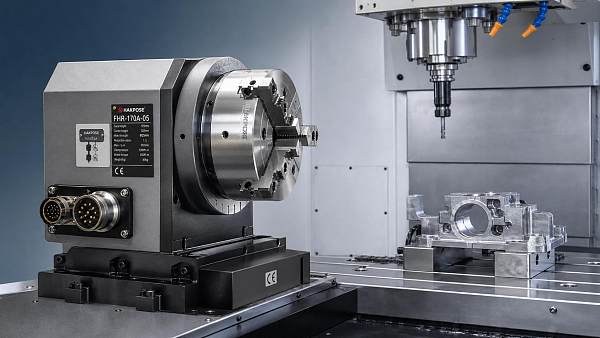
 How to Evaluate a Rotary Table for CNC with CE Certification for 4th-Axis MachiningRotary table for CNC CE certified: learn how to evaluate accuracy, backlash, control compatibility, and compliance for reliable 4th-axis machining.
 Semiconductor Chips vs ICs vs Microprocessors: What the Differences Mean in Real ApplicationsSemiconductor chips explained: learn how chips, ICs, and microprocessors differ in industrial systems, and make smarter sourcing, design, and reliability decisions.
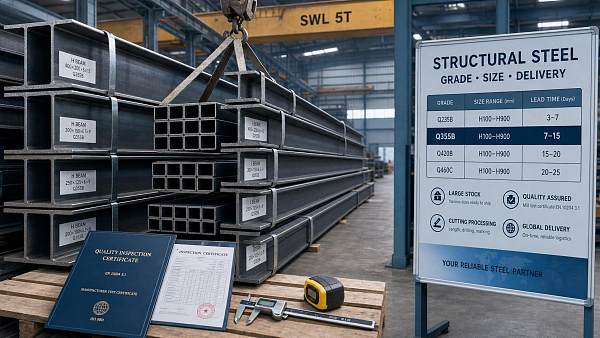
 Structural Steel Beams Wholesale: How Buyers Compare Grades, Sizes, and Lead TimesStructural steel beams wholesale buyers compare more than price—learn how grades, sizes, certifications, and lead times affect project cost, risk, and supply reliability.
 Crop Protection Methods Explained: How to Choose by Pest Type, Crop Stage, and RiskCrop protection explained clearly: learn how to choose the right method by pest type, crop stage, and field risk for smarter decisions, better timing, and more reliable results.
 Metallurgical Coke Explained: Grades, Key Properties, and Uses in IronmakingMetallurgicalcoke explained: explore grades, key properties like CSR, CRI, ash, and sulfur, plus real ironmaking uses to compare supply options and improve furnace performance.
 What Drives CNC Tooling Cost? A Practical Breakdown for Quoting and Budget ControlCNC tooling cost explained clearly: learn how tool material, geometry, batch size, and machine conditions affect quotes, cost per part, and smarter budget control.
 How to Evaluate an Advanced CNC Machining Supplier for Tight-Tolerance PartsAdvanced CNC machining supplier selection starts with proof, not promises. Learn how to assess tolerance control, inspection, traceability, and delivery risk for reliable parts.
 How Die Casting Mold Cooling Affects Cycle Time, Part Quality, and Die LifeDie casting mold cooling directly shapes cycle time, casting quality, and die life. Learn how thermal balance cuts scrap, boosts uptime, and supports more reliable production.
 Smart Street Lighting for Urban Areas: Key Features, Control Options, and Deployment FactorsSmart street lighting for urban areas: explore key features, control options, and deployment factors to improve safety, cut energy costs, and build scalable, future-ready city lighting.
 Industrial Machining Turning vs Milling: Which Process Fits Part Geometry and Cost Targets?Industrial machining turning vs milling: learn how to match part geometry, tolerance, material, and volume to the right process for lower cost, better quality, and smarter sourcing.
 Greenhouse Supplies Checklist: What to Buy First for Ventilation, Irrigation, and Plant SupportGreenhouse supplies checklist: learn what to buy first for ventilation, irrigation, and plant support to protect crops, save water, reduce labor, and build a more productive greenhouse.
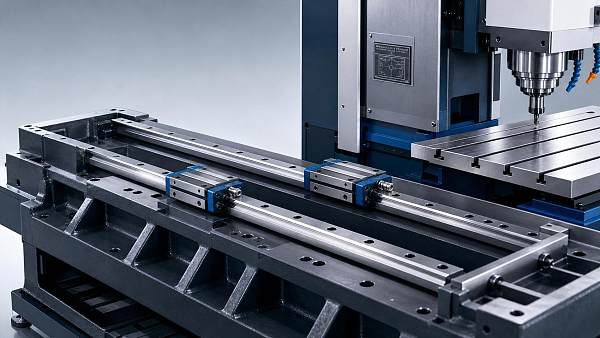
 Ball Linear Guides for CNC: What Load, Accuracy, and Rail Size Should You Compare?Ball linear guides CNC selection starts with real load, accuracy, and rail size—not catalog claims. Compare stiffness, preload, and lifecycle cost to choose guides that improve precision and uptime.
 Precision Die Casting for Industrial Equipment: Key Tolerances, Alloys, and Use CasesPrecision die casting for industrial equipment explained: key tolerances, aluminum and zinc alloy options, major use cases, and practical tips to improve quality, reliability, and sourcing decisions.
 How to Choose Workplace Solutions for Hybrid Teams and Multi-Site OperationsWorkplace solutions for hybrid teams and multi-site operations: learn how to compare visibility, integration, scalability, and resilience to choose a smarter, high-impact setup.
 How to Use a Supplier Directory for Heavy Machinery to Compare Vendors and Reduce RiskUse a supplier directory for heavy machinery to compare vendors by compliance, service, lead time, and risk—not just price. Learn how to shortlist smarter and source with confidence.
 Static Load Capacity Explained: What It Means and How It Affects Equipment SelectionStatic load capacity explained in practical terms—learn how it affects equipment selection, safety margins, deformation risk, and smarter procurement decisions.
 Synthetic Lubricants for CNC Machines: How to Choose for Speed, Heat, and Tool LifeSynthetic lubricants for CNC machines improve spindle speed stability, heat control, and tool life. Learn how to choose the right fluid for precision, uptime, and lower wear.
 When to Use Application Engineering Support in Latin America for Faster Project DeliveryApplication engineering support Latin America helps accelerate project delivery by solving local technical gaps early. Learn when regional engineering input reduces risk, rework, and startup delays.
 How to Read Export Import Statistics for Brazil for Market Entry and Sourcing DecisionsExport import statistics for Brazil reveal demand shifts, sourcing risks, and specification gaps. Learn how to turn trade data into smarter market entry and supplier decisions.
 How to Evaluate a Machine Tool Spindle Factory Before Ordering Custom Spindle UnitsMachine tool spindle factory selection starts with engineering depth, QC traceability, and application support. Learn what to check before ordering custom spindle units.
















Search News
Popular Tags