
Sustainable Textile Manufacturing: Processes, Materials, and Cost Factors

Sustainable textile manufacturing is no longer a niche initiative—it is a strategic requirement for companies seeking cost control, regulatory resilience, and long-term supply-chain credibility. From low-impact fibers and water-efficient dyeing to energy optimization and lifecycle-based sourcing, every process choice affects both environmental performance and production economics. For enterprise decision-makers, understanding the relationship between materials, manufacturing technologies, compliance demands, and cost factors is essential to building textile operations that are competitive, scalable, and aligned with global sustainability expectations.
What Does Sustainable Textile Manufacturing Mean for Enterprise Operations?

Sustainable textile manufacturing refers to a controlled production model that reduces resource intensity, chemical risk, waste generation, and lifecycle emissions.
For enterprise buyers, it is not only about ecological claims. It is a measurable framework for material selection, process engineering, compliance, and cost governance.
In practical terms, sustainable textile manufacturing connects fiber sourcing, spinning, weaving, knitting, finishing, packaging, and logistics into one accountable value chain.
Core decisions behind sustainable production
- Fiber strategy: choosing recycled, organic, regenerative, bio-based, or certified conventional fibers according to performance and availability.
- Process control: reducing water, energy, reprocessing, and chemical load through better machinery and process discipline.
- Traceability: documenting supplier origin, batch consistency, restricted substances, and chain-of-custody requirements.
- Commercial resilience: balancing sustainability targets with lead time, price volatility, certification costs, and production scalability.
G-PME approaches this topic through industrial intelligence, not branding language. The same discipline used in precision machining, fluid control, seals, tooling, and functional chemicals also applies to textiles.
Which Materials Drive Better Sustainability and Procurement Outcomes?
Material choice is usually the first visible decision in sustainable textile manufacturing, but it is rarely the only cost driver.
A lower-impact fiber can still create operational problems if shrinkage, dye uptake, strength, or supplier reliability is poorly understood.
Decision-makers should evaluate each material through cost, process compatibility, technical performance, certification availability, and end-market expectations.
The table below outlines common material options used in sustainable textile manufacturing and the procurement factors that influence enterprise adoption.
No single material is universally superior. Sustainable textile manufacturing works best when material choice matches production equipment, market positioning, and compliance burden.
How Do Processes Affect Water, Energy, Chemicals, and Yield?
The largest improvement opportunities often sit inside process engineering. Dyeing, finishing, washing, drying, and effluent treatment directly affect cost and compliance risk.
Sustainable textile manufacturing requires managers to examine process stability, not just final environmental claims presented in a sales document.
Key manufacturing levers to evaluate
- Low-liquor-ratio dyeing can reduce water volume, steam demand, and wastewater treatment load when fabric type permits.
- Digital printing can reduce paste waste and improve design flexibility, especially for shorter production runs.
- Closed-loop water systems can lower discharge dependency, but they require filtration, monitoring, and maintenance discipline.
- Heat recovery, optimized compressed air, and efficient motors can reduce utility cost without changing product design.
- Precision dosing systems reduce chemical overuse, shade variation, rework, and batch rejection risk.
G-PME’s engineering perspective is relevant because textile sustainability increasingly depends on pumps, valves, seals, lubrication, metering accuracy, corrosion resistance, and uptime.
A dye house with unreliable flow control or poor sealing can lose both environmental performance and production margin.
What Cost Factors Should Decision-Makers Model Before Investment?
Sustainable textile manufacturing can reduce lifecycle cost, but first-year budgets may rise due to certification, equipment upgrades, testing, and supplier qualification.
A credible business case separates visible purchase price from hidden operating cost, compliance exposure, waste, downtime, and rejected batches.
The following cost framework helps procurement, finance, and production teams compare sustainability initiatives using operationally meaningful indicators.
For many enterprises, the strongest case for sustainable textile manufacturing comes from lower rework, lower wastewater burden, improved tender eligibility, and stronger supply security.
How Should Buyers Compare Suppliers and Technology Partners?
Supplier selection must go beyond sustainability brochures. Enterprise buyers need verifiable operating data, stable quality systems, and clear escalation paths.
Sustainable textile manufacturing creates procurement complexity because fiber vendors, dye houses, chemical suppliers, equipment makers, and logistics providers affect final performance.
Procurement checklist for sustainable textile manufacturing
- Ask suppliers to provide batch-level traceability rather than generic material claims or undated certification summaries.
- Review process capability for color consistency, shrinkage control, tensile strength, abrasion resistance, and dimensional stability.
- Confirm restricted substance management against recognized buyer requirements and applicable market regulations.
- Check whether production equipment supports metering accuracy, temperature control, wastewater handling, and preventive maintenance.
- Compare total landed cost, not only quoted unit price, especially for certified or recycled material supply chains.
G-PME supports this decision process with data-driven benchmarking across manufacturing assets, industrial components, materials, and standards-based evaluation logic.
For procurement directors, this reduces the risk of selecting a supplier that appears sustainable but cannot maintain production discipline at scale.
Which Standards and Compliance Requirements Matter Most?
Compliance requirements vary by product category, destination market, brand requirement, and chemical exposure. Early mapping prevents expensive redesign later.
Sustainable textile manufacturing may involve environmental management, chemical restrictions, product safety, chain-of-custody documentation, and social compliance evidence.
The table below summarizes commonly referenced standards and frameworks that influence sustainable textile manufacturing decisions and supplier qualification.
Standards should be treated as decision tools, not decoration. Buyers should specify required evidence before sampling, quotation, and production slot reservation.
Where Do Implementation Projects Usually Fail?
Many sustainable textile manufacturing programs fail because teams start with claims rather than process data, specification discipline, and commercial boundaries.
The most common failures are predictable. They often arise from unclear ownership across procurement, production, quality, finance, and sustainability functions.
Common risk points
- Choosing premium fibers without testing shrinkage, pilling, dye uptake, and durability under real customer use conditions.
- Underestimating wastewater treatment constraints when introducing new dyes, auxiliaries, coatings, or finishing chemistry.
- Relying on supplier declarations without batch-level documentation, third-party testing, or internal verification routines.
- Installing efficient equipment without training operators, updating maintenance routines, or validating spare part availability.
- Treating sustainability as a separate department instead of integrating it into purchasing, costing, engineering, and quality gates.
A more reliable approach starts with a controlled pilot. Enterprises should measure baseline performance, test alternatives, and scale only after defined approval criteria are met.
How Can Enterprises Build a Practical Roadmap?
A roadmap for sustainable textile manufacturing should translate high-level targets into technical projects, supplier actions, and budget milestones.
The best roadmaps do not attempt to change every product line immediately. They sequence actions according to impact, feasibility, and customer urgency.
Recommended implementation sequence
- Map current material flows, water use, energy intensity, chemical inputs, rejection rates, and certification gaps.
- Prioritize product families where customers already request recycled content, lower-impact fibers, or documented compliance.
- Run technical trials covering fabric performance, process stability, wastewater behavior, and total production cost.
- Qualify suppliers using documented evidence, production audits, sample consistency, and commercial risk assessment.
- Scale approved solutions through contract terms, operator training, quality checkpoints, and monthly performance reviews.
This method helps executives avoid symbolic initiatives. It connects sustainable textile manufacturing directly to operating performance, tender access, and long-term supplier resilience.
FAQ: Questions Decision-Makers Ask Before Committing Budget
Is sustainable textile manufacturing always more expensive?
Not always. Material premiums may increase purchase cost, but process efficiency can reduce water, energy, chemicals, rework, and compliance-related disruption.
The correct comparison is total cost of ownership, including audit readiness, rejected shipments, customer qualification, and future regulatory exposure.
Which production area should be improved first?
Start with the area where cost and risk overlap. Dyeing, finishing, wastewater, chemical dosing, and high-volume material categories usually deserve early review.
If customer tenders already require sustainability evidence, prioritize product families that influence revenue protection and qualification speed.
How should buyers verify supplier sustainability claims?
Request current certificates where applicable, batch documents, test reports, material origin records, and process data rather than generic brochures.
For strategic suppliers, combine document review with production audits, sample validation, and commercial terms that define evidence responsibilities.
Can existing equipment support sustainable textile manufacturing?
Sometimes existing equipment is sufficient if control systems, dosing accuracy, maintenance, and operating procedures are improved.
In other cases, upgrades to pumps, valves, seals, heat recovery, filtration, or digital monitoring deliver better reliability and measurable resource savings.
Why Choose G-PME for Sustainable Textile Manufacturing Intelligence?
G-PME supports enterprise decision-makers who need sustainability choices grounded in manufacturing realities, supplier risk, and technical performance.
Our institutional focus on precision machining, fastening and sealing, fluid control, die-casting, tooling, lubricants, and functional chemicals provides a cross-industrial view.
That perspective is valuable because sustainable textile manufacturing depends on equipment reliability, material integrity, chemical compatibility, and disciplined process benchmarking.
Consult us when you need decision-grade clarity
- Parameter confirmation for pumps, dosing systems, seals, filtration units, and process-critical components used in textile production lines.
- Supplier and material comparison for recycled fibers, low-impact chemistry, functional finishes, and certified sourcing programs.
- Cost evaluation covering conversion investment, operating savings, certification requirements, and procurement risk.
- Custom roadmap support for pilot validation, production scaling, compliance documentation, and tender-oriented technical evidence.
- Quotation communication and delivery-cycle review for industrial components connected to sustainable textile manufacturing upgrades.
If your team is comparing materials, planning process upgrades, or preparing compliance documentation, G-PME can help structure the technical and commercial questions.
Contact G-PME to discuss product selection, certification requirements, sample support, delivery timelines, and data-backed implementation options for sustainable textile manufacturing.
Recommended News
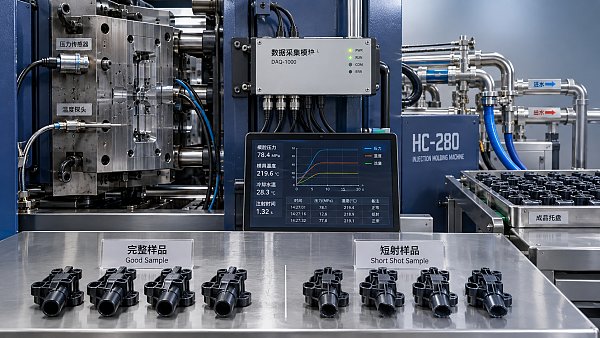
 How to use data analytics to reduce scrap in injection moldingUse data analytics to reduce injection molding scrap. Learn which production data to track, how to uncover defect causes, and how to verify improvements that cut waste and protect quality.
 What affects the cost of axis calibration on a 5-axis machine?Understand axis calibration cost for 5-axis machines, from rotary-axis condition to downtime. Learn how to compare quotes, avoid hidden fees, and secure verified accuracy.
 How to verify a supplier's chip removal rate measurement accuracyReview chip removal metrics supplier teams provide. Learn how to verify removal rates, calibration, timing, and uncertainty for smarter, more confident purchasing decisions.
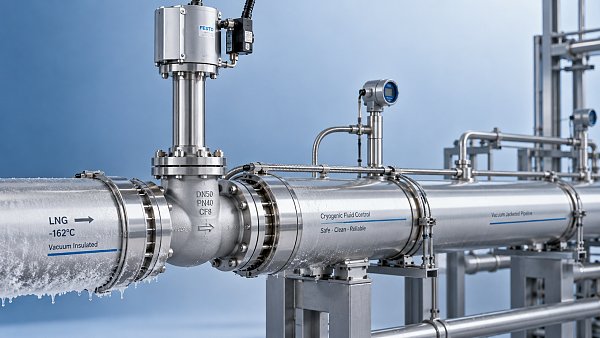
 How cryogenic service requirements affect fluid control system pricesExplore fluid control systems price drivers for cryogenic service, from materials and testing to insulation. Learn how to compare quotes, avoid hidden costs, and buy with confidence.
 When is die-cast aluminum suitable for lightweight vehicle housings?Light-weighting vehicle materials: Discover when die-cast aluminum suits vehicle housings, balancing weight savings, tooling costs, sealing, and durability for smarter design decisions.
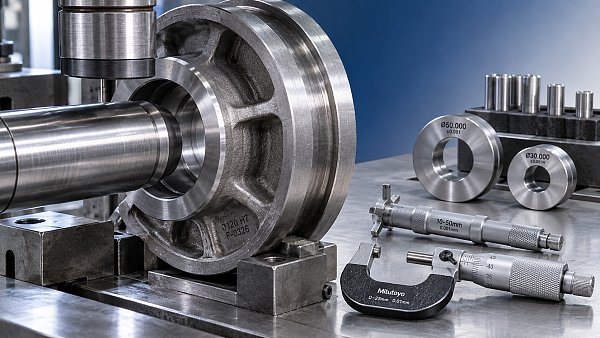
 How to specify CNC machining tolerances for press-fit assembliesSpecify CNC machining tolerance for reliable press-fit assemblies. Learn to calculate interference, control thermal effects, and verify supplier capability to prevent costly fit failures.
 How to assess five-axis machine tool thermal stability data in Latin AmericaReview machine tool thermal stability data Latin America suppliers provide. Discover how to assess five-axis drift, ISO 230-3 tests, and site conditions for smarter purchasing decisions.
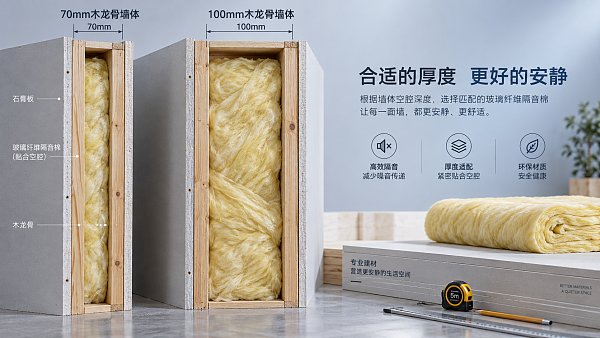
 How thick should fiberglass acoustic insulation be for wall cavities?Fiberglass acoustic insulation: how thick should it be? Explore 3.5- and 5.5-inch wall cavity options, tested STC requirements, and installation tips to avoid costly mistakes.
 How bending radius affects the service life of high-voltage cablesProtect highvoltagecables from bending damage. Discover how bend radius affects service life, which installation limits matter, and practical checks for lasting reliability.
 Which Fastener Grade Is Suitable for Vibration-Prone Equipment?Which industrial fastener grade is suitable for vibration-prone equipment? Compare classes 8.8, 10.9, and 12.9, preload, and locking methods to make a reliable choice.
 How Do You Select a Mechanical Seal for Chemical Service?How do I select a mechanical seal for chemical service? Explore material compatibility, single vs. dual seals, and support systems to reduce leakage risks and choose with confidence.
 Why Do Mechanical Seals Fail Prematurely?Why do mechanical seals fail prematurely? Discover how dry running, poor flushing, and misalignment cause leaks—and learn practical checks to prevent repeat failures and reduce downtime.
 Supplier Capacity Assessment: Verify Output Before Committing to VolumeSupplier capacity assessment helps verify real output, uncover bottlenecks, and confirm available capacity. Learn how to reduce delivery risks before committing to volume orders.
 Manufacturing Capability Assessment: Can a Process Hold Your Tolerances?Manufacturing capability assessment: Can your supplier hold tight tolerances? Learn how to verify Cp, Cpk, and production evidence to reduce risk and make confident qualification decisions.
 OEM Manufacturing Design Support: What to Resolve Before Tooling StartsOEM manufacturing design support helps resolve materials, tolerances, and inspection before tooling starts. Discover how to avoid costly rework and make confident tooling decisions.
 How to size extrusion equipment for a target production outputSize extrusion equipment to meet your production targets. Learn how to calculate throughput, identify line bottlenecks, and verify capacity to avoid costly sizing mistakes.
 How to assess 5-axis demand in machining center market analysisStrengthen your machining center market analysis: learn how to assess 5-axis workloads, buyer readiness, and investment costs to build credible demand forecasts and avoid costly overestimates.
 Can procurement support reduce contract manufacturing tooling delays?Discover industrial procurement support contract manufacturing teams can use to cut avoidable tooling delays, secure materials, and keep production launches on track.
 Which export insights matter when entering a new market?Export insights for new-market entry: assess demand, standards, delivered costs, supply resilience, and buyer approval paths to build a profitable expansion plan.
 How industrial technology solutions in Southeast Asia handle humid sitesIndustrial technology solutions Southeast Asia: learn how site-adapted materials, sealing, condensation control, and maintenance strategies improve reliability in humid, coastal, and high-corrosion industrial environments.
 How hospitals can size telemedicine hardware for peak virtual visitsTelemedicine hardware for hospitals: learn how to size reliable endpoints for peak virtual visits, optimize reserves, workflows, network readiness, and uptime.













Search News
Popular Tags