
Supply chain analysis for reliable mechanical seals
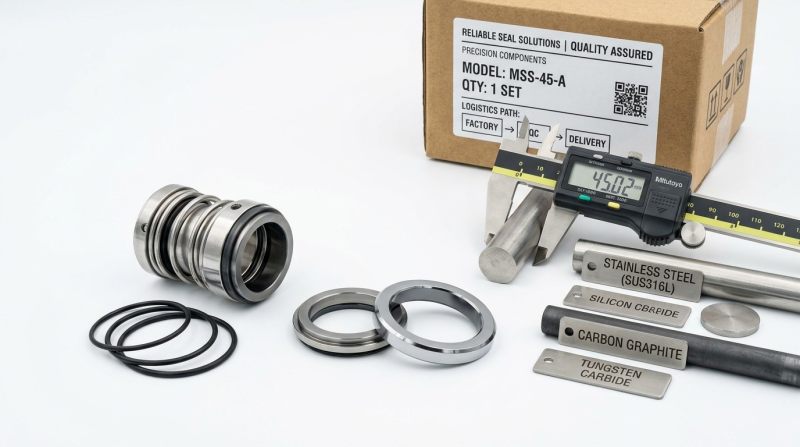
In today’s high-stakes manufacturing environment, reliable mechanical seals depend on far more than technical specifications alone. A robust supply chain analysis connects precision components, raw material prices, industrial procurement, and project tenders to stronger manufacturing competitiveness. For decision-makers, operators, and quality teams, this engineering intelligence supports industrial benchmarking and production line optimization while reducing risk across critical applications.
Why supply chain analysis matters for reliable mechanical seals
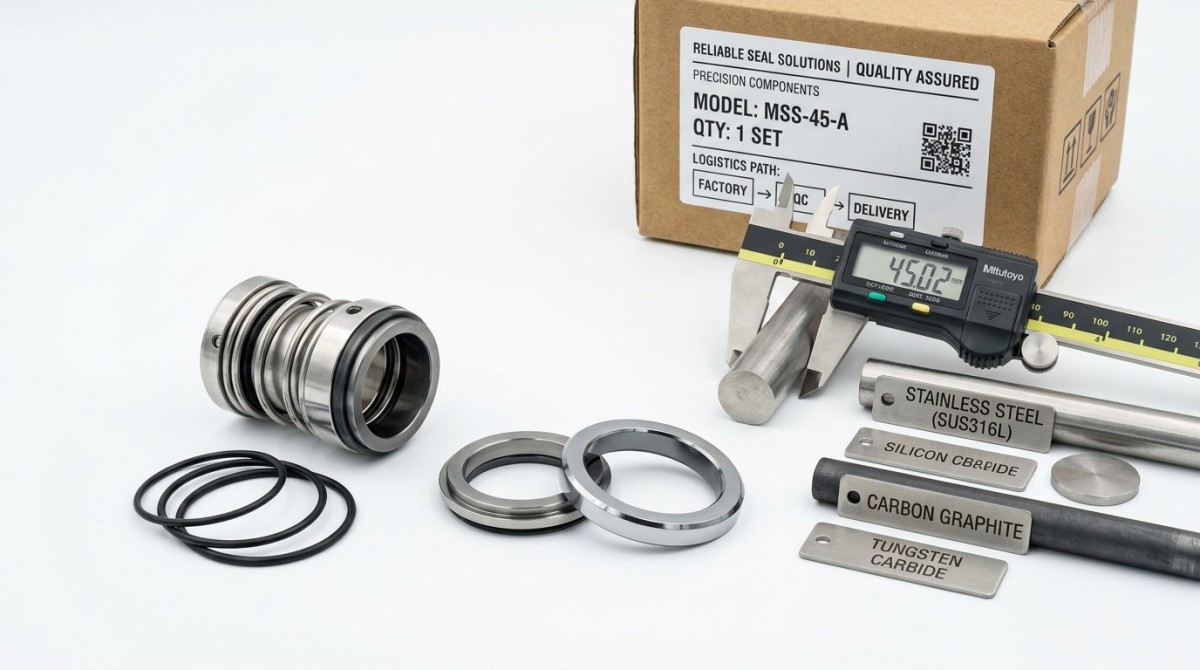
A mechanical seal may look like a compact component, but its reliability is shaped by a long chain of upstream and downstream variables. Face material quality, elastomer compatibility, machining tolerance, spring consistency, logistics timing, storage conditions, and installation support all influence service life. In industrial settings where pumps, mixers, and rotating equipment may run continuously for 8–24 hours per day, a small weakness in the supply chain can quickly become leakage, unplanned downtime, or safety exposure.
For information researchers and procurement teams, supply chain analysis helps answer practical questions that catalog data alone cannot solve. Can the supplier maintain dimensional repeatability over multiple batches? How exposed is the seal design to steel, tungsten carbide, silicon carbide, or titanium price fluctuations? What is the typical lead time for standard versus engineered configurations: 7–15 days, 2–4 weeks, or longer when special materials are involved? These questions directly affect project scheduling and lifecycle cost.
For operators and quality managers, the issue is equally operational. A reliable mechanical seal is not only one that passes initial inspection, but one supported by traceable materials, stable processing routes, and clear replacement planning. In many plants, seal failure is rarely caused by one factor alone. It is often the result of material mismatch, rushed sourcing, delayed spare availability, or inconsistent assembly control across several service nodes.
G-PME brings value here because it links precision manufacturing intelligence with commercial and regulatory context. Instead of looking at seals as isolated products, the platform evaluates them through five connected industrial pillars, including fastening and sealing systems, fluid control and pump systems, machining capability, mold and die-casting support, and industrial chemicals such as lubricants. This broader view is especially useful when buyers must compare not just product data, but the resilience of the entire supply ecosystem.
What a practical supply chain review should include
A useful review should combine engineering and commercial checkpoints. It should not stop at seal type or nominal dimensions. Teams usually need to assess at least 5 key areas before approving a source for critical duty equipment.
- Material continuity: availability of face materials, secondary sealing materials, springs, and metal hardware over the next 1–2 procurement cycles.
- Manufacturing control: tolerance capability, surface finish consistency, and process discipline for lapped faces and precision mating parts.
- Delivery reliability: standard lead times, buffer stock strategy, and response speed for replacement parts during shutdown windows.
- Compliance support: alignment with common industrial standards such as ISO, DIN, ASME, or JIS where applicable to the equipment package.
- Application fit: compatibility with fluid chemistry, pressure range, shaft speed, temperature band, and maintenance capability on site.
When these 5 areas are reviewed together, the buying decision becomes more stable. It reduces the common error of selecting a low-quoted seal that later triggers repeat failures, emergency freight, or line stoppage costs that far exceed the original purchase price.
Which supply chain risks most often undermine seal reliability?
Not all supply chain risks are equally important. In mechanical seals, several risk categories repeatedly appear across general industry applications such as water treatment skids, process pumps, chemical transfer units, utility systems, food-adjacent machinery, and heavy industrial rotating equipment. The most damaging risks are usually those that combine technical uncertainty with procurement delay.
Raw material volatility is one example. Price swings in steel, titanium, or specialty hard-face materials can pressure suppliers to switch sources or extend lead times. Even when geometry remains unchanged, changes in raw material route, sintering quality, or hardness consistency can affect wear behavior. For a project manager overseeing a shutdown window of 10–21 days, that uncertainty is not a minor issue. It can reshape the entire maintenance plan.
Another frequent risk is limited visibility into secondary components. Buyers often focus on seal faces and overlook elastomers, springs, drive bands, retaining hardware, and packaging integrity. Yet in many service environments, elastomer compatibility with media and temperature is one of the first factors to fail. A supply chain that cannot clearly document batch control or substitution rules creates hidden quality exposure for operators and safety teams.
The table below summarizes common supply chain risk points for reliable mechanical seals and the operational consequences they can create in B2B industrial settings.
This comparison shows why reliable mechanical seals are inseparable from disciplined sourcing. A supplier may quote an attractive unit price, but if the buyer cannot validate traceability, secondary materials, and delivery predictability, the total risk remains high. In many cases, the cost of one emergency shutdown can outweigh the savings from a lower initial purchase.
How different roles should read these risks
Decision-makers usually prioritize continuity and budget. They need to know whether a sourcing strategy will protect uptime over the next quarter or fiscal year. Operators focus more on ease of installation, leakage frequency, and whether replacement parts arrive before the next maintenance cycle. Quality and safety managers need evidence that material integrity and documentation are controlled, especially in applications involving aggressive media or environmental compliance pressure.
Because each role sees risk differently, a sound supply chain analysis should translate technical facts into role-specific decisions. This is one reason G-PME’s cross-sector intelligence is relevant. It integrates component-level understanding with tender timing, raw material movement, and production capability, making the analysis more actionable than a simple vendor list or parts catalog.
How to evaluate suppliers and choose the right sourcing model
Supplier selection for reliable mechanical seals should start with application criticality, not with price ranking alone. A seal used in a utility water pump may tolerate a broader sourcing pool than a seal used in corrosive process media or high-duty rotating equipment. In practice, most procurement teams should classify demand into at least 3 bands: standard service, controlled duty, and critical process duty. Each band requires a different level of supply chain scrutiny.
The sourcing model also matters. Single-source procurement may simplify communication, but it can increase exposure during material shortage or production disruption. Dual-source models improve resilience, but only when drawings, tolerances, material definitions, and acceptance criteria are tightly aligned. Otherwise, the plant gains nominal flexibility but loses interchangeability in the field.
For projects with a 2–4 week installation window, engineering review should happen before commercial closure. Teams should confirm face pair selection, elastomer media compatibility, shaft and housing tolerances, expected operating temperature, pressure conditions, and flush or support system requirements. This early review avoids the common cycle of issuing a purchase order quickly and then spending another 7–10 days clarifying what should have been specified at the start.
The table below can be used as a procurement checklist when comparing seal suppliers or contract manufacturing partners in general industry applications.
This matrix helps separate transactional suppliers from strategic supply partners. For critical mechanical seals, reliability usually comes from a balanced sourcing model: technically verified design, controlled material route, realistic lead time, and defined communication during change events. Without these controls, apparent sourcing flexibility can become operational instability.
A 4-step procurement approach for project teams
- Define the duty condition clearly, including fluid, temperature range, shaft speed, pressure, and any dry-run or intermittent operation risk.
- Screen suppliers for traceability, machining capability, and ability to support the required standards or documentation package.
- Compare total supply risk, not just piece price, including lead time, alternate material path, packaging, and after-delivery support.
- Confirm spare strategy for the next maintenance cycle, such as quarterly replenishment, annual frame agreements, or project-based reserve stock.
This 4-step process is especially useful when multiple departments influence the purchase. It creates a shared decision path between engineering, procurement, operations, and quality control, reducing late-stage disputes and specification drift.
What should quality, compliance, and project teams verify before approval?
Reliable mechanical seals should be reviewed against both functional and procedural requirements. Quality teams should not limit approval to visual inspection or dimensional spot checks. For many industrial applications, acceptance should cover at least 6 items: drawing conformity, material identification, surface condition, packaging integrity, documentation completeness, and storage or handling instructions. These checks are practical and can be integrated into standard inbound inspection workflows.
Compliance review should also reflect the broader equipment environment. Mechanical seals frequently operate within systems governed by customer specifications, EPC documentation, and common international references such as ISO, DIN, ASME, or JIS. Even where a seal itself is not certified as a standalone regulated product, its materials, traceability, and dimensional compatibility may still need to align with project documents and site standards.
Project managers should verify whether the supplier can support document turnover within the actual project timetable. On paper, many suppliers can provide records. In reality, document release may trail shipment by several days or even 1–2 weeks, which can delay site acceptance. For tight commissioning schedules, document timing should be treated as part of delivery performance, not as an administrative afterthought.
G-PME is particularly useful in this stage because it benchmarks technical assets against recognized international standards while also tracking project tender dynamics and cross-sector supply conditions. That means a buyer can review not only whether a seal design is appropriate, but whether the sourcing route is sustainable under current market and project constraints.
Common approval mistakes to avoid
Mistake 1: treating all equivalent drawings as equivalent supply risk
Two parts may share nominal dimensions but differ in material quality route, lapping consistency, elastomer performance, or packaging control. A drawing match is only one layer of approval. For long-run service or hazardous media, the process behind the drawing matters just as much.
Mistake 2: approving without replacement planning
A seal that works technically but cannot be replenished within the next maintenance cycle is not a secure choice. Teams should ask whether the same build can be repeated in 30, 60, or 90 days, especially when raw material volatility is affecting hard faces or alloy components.
Mistake 3: ignoring installation and handling constraints
Field success depends on more than procurement. If packaging, fit-up guidance, or handling instructions are weak, seals may be damaged before startup. For operators, simple clarity on orientation, cleanliness, lubrication practice, and storage conditions can prevent costly early failure.
FAQ: practical questions buyers and engineers often ask
How do I know whether a mechanical seal supplier is reliable?
Start with three checks: repeatable delivery performance, traceable material and inspection records, and application support before purchase. If a supplier can only discuss price and nominal dimensions, the evaluation is incomplete. For critical service, also ask about standard lead times, approved alternative materials, and whether technical clarification can be completed within 3–5 working days.
What lead time is typical for reliable mechanical seals?
Lead time depends on design complexity, stock level, and material availability. In common industrial practice, stocked items may move within a few days, standard builds often take 7–15 days, and engineered or special-material versions may require 2–6 weeks. Buyers should confirm whether the quoted lead time includes documentation, inspection release, and export or transport preparation where relevant.
Is lower price a good reason to switch suppliers?
Only if the new source can match the full risk profile, not just the drawing. A lower price may be reasonable in non-critical service, but for demanding applications you should compare total acquisition risk: material continuity, tolerance discipline, spare availability, packaging, and technical response. A moderate price reduction is rarely valuable if it increases leakage incidents or extends maintenance downtime.
What information should be prepared before requesting a quotation?
Provide equipment type, shaft size, operating fluid, temperature range, pressure, speed, current seal arrangement, and any known failure pattern. If the project is urgent, state the target delivery window clearly, such as 10 days, 3 weeks, or next shutdown date. This helps suppliers respond with realistic options rather than generic pricing that later changes during technical review.
Why work with a technical intelligence partner for seal sourcing decisions
In general industry, reliable mechanical seals are rarely secured through product selection alone. The stronger approach is to combine sourcing analysis, technical review, compliance awareness, and project timing into one decision framework. That is where G-PME adds practical value. Its strength lies in connecting precision-machining capability, sealing system knowledge, fluid control context, raw material market movement, and live industrial project intelligence.
For information researchers, G-PME helps shorten the path from broad market scanning to supplier shortlisting. For operators and maintenance teams, it improves confidence that the chosen seal solution is not just theoretically suitable, but supportable over actual service intervals. For decision-makers and project leaders, it provides a more resilient basis for balancing price, uptime, schedule, and documentation requirements.
If you are evaluating reliable mechanical seals for new equipment, shutdown replacement, or multi-site standardization, you can consult on specific items instead of starting with a vague inquiry. Useful discussion points include parameter confirmation, material and face pair selection, lead time planning, alternate sourcing routes, compliance documentation, sample support, and quotation alignment with project milestones.
Contact us when you need a structured review of mechanical seal supply chain risk, not just a parts price. We can help you compare sourcing options, clarify application requirements, review typical delivery windows, and build a more reliable procurement path for critical rotating equipment across industrial production lines.
Recommended News
 How to Choose Synthetic Gear Lubricants for Load, Temperature, and Service LifeSynthetic gear lubricants selection guide: learn how to match load, temperature, and service life to the right formula for better gearbox protection, longer drains, and smarter maintenance decisions.
 How to Choose a Clamping System for a Machining Factory Based on Parts and CNC SetupClamping system for machining factory selection starts with part geometry, datum control, and CNC setup. Learn how to reduce setup errors, improve repeatability, and choose fixtures that fit real production needs.
 How to Evaluate Structural Steel & Metals for Load-Bearing Industrial ProjectsStructural Steel & Metals selection can make or break industrial load-bearing projects. Learn how to assess strength, corrosion, fabrication, traceability, and lifecycle cost.
 Where CNC Machinery Investment Is Headed: 2025 Trends Shaping Capacity PlanningCNC machinery investment trends in 2025 are shifting toward flexible automation, uptime, and precision. Discover where budgets are moving and how smarter capacity planning can protect margins.
 How to Evaluate a Carbide Tool Wear Rate Supplier for Stable Machining PerformanceCarbide tool wear rate supplier selection affects machining stability, tool life, and scrap control. Learn how to compare wear data, consistency, and delivery reliability before you buy.
 How to Evaluate a Sheet Metal Prototype for Fit, Function, and ManufacturabilitySheet metal prototype evaluation made practical: learn how to verify fit, function, and manufacturability to reduce rework, control cost, and improve production readiness.
 Industrial Application Guidance for Electronics: How to Match Materials to Use CasesIndustrial application guidance for electronics made practical: learn how to match metals, polymers, sealants, and coatings to real use cases for better reliability, compliance, and lifecycle value.
 How to Evaluate an Aerospace Seals Manufacturer for Reliability and ComplianceAerospace seals manufacturer selection starts with reliability and compliance. Learn how to assess certifications, traceability, process control, and supply stability before you approve a supplier.
 Supplier Capability Evaluation Template: What Buyers Should Include and How to ScoreSupplier capability evaluation template guide for buyers: learn what criteria to include, how to score suppliers fairly, and how to reduce sourcing risk with a smarter vendor assessment process.
 How to Choose a Rotary Table for CNC Metalworking: Key Specs and Use CasesRotary table for CNC metalworking: learn how to compare torque, accuracy, load capacity, drive types, and real use cases to choose the right solution for better precision and productivity.
 Product Selection Guidance Checklist: How to Compare Specs, Cost, and Fit for UseProduct selection guidance checklist for comparing specs, total cost, compliance, and fit for use. Make smarter industrial buying decisions and reduce risk before approval.
 RoHS Manufacturing Standards Explained: Requirements, Scope, and Compliance ChecksManufacturing standards RoHS explained clearly: learn substance limits, scope, exemptions, and compliance checks to reduce audit risk, avoid shipment delays, and strengthen market access.
 Material Selection for Manufacturing Corrosion Resistance in Chemical and Wet EnvironmentsMaterial selection for manufacturing corrosion resistance starts with the real service environment. Learn how to reduce failures, control lifecycle cost, and choose durable materials for chemical and wet applications.
 Corrosion-Resistant Material Selection for Manufacturing: How to Balance Life and CostMaterial selection for manufacturing corrosion resistance: learn how to balance service life and total cost, compare material options, avoid failure risks, and make smarter, more reliable manufacturing decisions.
 CNC Machine Tools for Metalworking: Key Types, Axis Options, and Best-Fit UsesCNC machine tools for metalworking explained: compare key machine types, 3-, 4-, and 5-axis options, and best-fit industrial uses to choose smarter, faster, and more precise production solutions.
 How to Use ATC Tool Change Time Data to Compare CNC Cycle Cost AccuratelyATC (tool change) time data cost analysis helps you compare CNC cycle cost accurately, expose hidden quote gaps, and choose suppliers with more reliable, profitable machining economics.
 Machine Tool Standards Update: What Changed and How to Check ComplianceMachine tool standards update: learn what changed, which machines are affected, and how to check compliance fast with practical audit tips to reduce risk and avoid costly gaps.
 What Drives Cobalt Price and Tool Costs? Key Factors Buyers Should TrackCobalt price tool costs are rising fast—learn the key market, supply, and production signals buyers should track to forecast tool budgets, reduce risk, and make smarter sourcing decisions.
 How to Evaluate a Rotary Table for CNC with CE Certification for 4th-Axis MachiningRotary table for CNC CE certified: learn how to evaluate accuracy, backlash, control compatibility, and compliance for reliable 4th-axis machining.
 Semiconductor Chips vs ICs vs Microprocessors: What the Differences Mean in Real ApplicationsSemiconductor chips explained: learn how chips, ICs, and microprocessors differ in industrial systems, and make smarter sourcing, design, and reliability decisions.
 Structural Steel Beams Wholesale: How Buyers Compare Grades, Sizes, and Lead TimesStructural steel beams wholesale buyers compare more than price—learn how grades, sizes, certifications, and lead times affect project cost, risk, and supply reliability.









Search News
Popular Tags