
How to Choose Fluid Control for Accurate Dosing
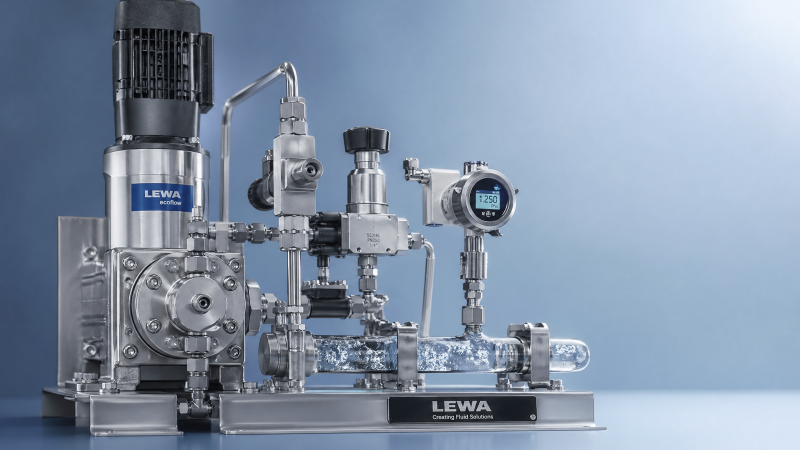
Choosing the right fluid control solution is essential for accurate dosing, stable process performance, and long-term cost efficiency. Whether you are comparing pump systems, valve configurations, or material compatibility, the right decision affects precision, reliability, and compliance. This guide explores the key factors buyers, operators, and industrial decision-makers should evaluate to achieve consistent dosing results in demanding applications.
For most industrial users, the best fluid control setup for accurate dosing is not simply the most precise device on paper. It is the system that can repeatedly deliver the required volume under real operating conditions, with the right chemical compatibility, pressure stability, response speed, maintenance profile, and control logic. If dosing accuracy matters to product quality, waste reduction, or regulatory compliance, selection should be based on the full application context rather than pump type alone.
What Actually Determines Accurate Dosing in Real Applications
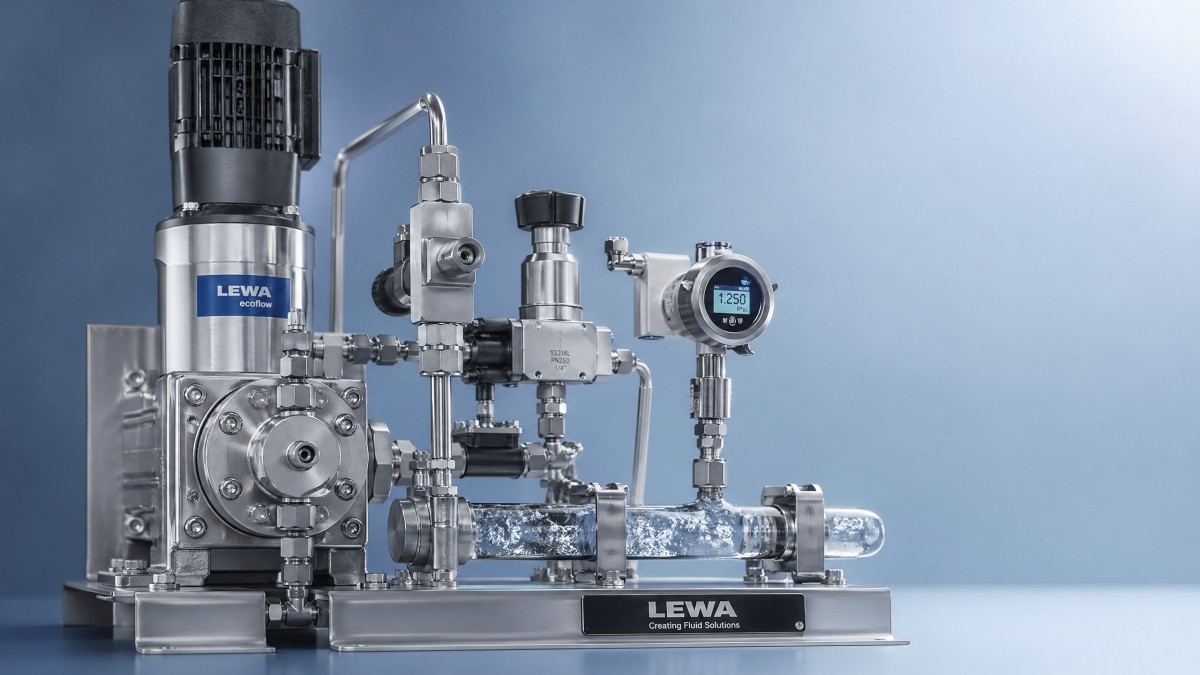
Many buyers start by comparing nominal flow rate and accuracy specifications, but real dosing performance depends on a combination of process variables. A system that performs well in a lab may drift in production if fluid properties, line pressure, or temperature change.
The main factors that influence accurate dosing include:
- Required dose volume and repeatability: Micro-dosing, batch dosing, and continuous metering each require different control behavior.
- Fluid viscosity: Low-viscosity solvents behave very differently from adhesives, oils, resins, or slurries.
- Pressure conditions: Inlet pressure fluctuations and downstream backpressure can affect consistency.
- Flow stability: Pulsation can create dose variation if not properly dampened or controlled.
- Temperature sensitivity: Some fluids change viscosity significantly with temperature.
- Chemical compatibility: Seals, valve seats, tubing, and wetted metal surfaces must resist attack and swelling.
- Cycle speed and response time: Fast on-off dispensing demands different valve performance than steady metering.
For operators and engineers, this means accurate dosing should be evaluated as a system outcome, not just a component feature. For procurement teams and decision-makers, it means the lowest upfront price can become the highest total cost if the selected solution causes overfill, underfill, scrap, downtime, or excessive calibration work.
How to Match the Fluid Control Method to the Dosing Task
Different dosing applications call for different fluid control approaches. The right choice depends on whether precision, speed, chemical resistance, or robustness is the primary requirement.
Pump-based dosing systems
Metering pumps are widely used when controlled, repeatable fluid delivery is required over time. Common options include diaphragm pumps, peristaltic pumps, gear pumps, piston pumps, and syringe pumps.
- Diaphragm metering pumps: Often used for chemical dosing, water treatment, and corrosive media. Good for reliability and chemical isolation.
- Peristaltic pumps: Useful when contamination control and easy tube replacement matter. Suitable for many sensitive or aggressive fluids, though tubing wear must be monitored.
- Gear pumps: Often chosen for viscous and lubricating fluids where stable continuous flow is needed.
- Piston or plunger pumps: Appropriate for high-pressure, high-accuracy applications, but sealing and wear considerations are critical.
- Syringe pumps: Strong choice for very small, highly accurate doses in controlled environments.
Valve-based dosing systems
Dispensing valves are often used when shot size, start-stop precision, or cycle speed is the main issue. Needle valves, pinch valves, diaphragm valves, and solenoid-controlled dispensing valves can provide excellent repeatability when paired with stable pressure supply.
Valve-based systems are commonly selected for adhesives, sealants, inks, coatings, and assembly-line dispensing where frequent actuation and tight control are required.
Combined pump-and-valve systems
In many industrial settings, the highest dosing accuracy comes from combining a stable pump source with a well-matched dispensing valve and proper feedback control. This is especially important when the process requires both consistent feed pressure and precise discharge timing.
If your application involves changing viscosities, intermittent operation, or tight batch tolerances, a combined system often provides better control than relying on a single device alone.
Questions Buyers and Engineers Should Ask Before Selecting a System
To choose fluid control for accurate dosing, the most useful evaluation starts with application questions rather than catalog comparison. The following questions help reveal the right specification path:
- What is the target dose volume, and what tolerance is acceptable?
- Is the process continuous, batch-based, or intermittent?
- What is the fluid viscosity range during actual operation?
- Does the fluid contain solids, air bubbles, or abrasive particles?
- How sensitive is product quality to dose variation?
- What are the operating temperature and pressure ranges?
- How often will the system run, and what is the expected duty cycle?
- What cleaning, flushing, or sterilization requirements apply?
- What materials are acceptable for wetted parts?
- Is there a need for automated control, remote monitoring, or dosing data logging?
These questions matter because accurate dosing is often lost at the edges of the process: startup, shutdown, viscosity change, pressure disturbance, or poor maintenance access. A technically correct component can still fail commercially if it is hard to operate, difficult to service, or prone to drift.
Material Compatibility Is Not a Side Issue
One of the most common causes of dosing instability is material incompatibility. Seals that swell, valve components that corrode, and tubing that hardens or deforms can gradually reduce dosing accuracy long before complete failure occurs.
When evaluating fluid control equipment, pay close attention to:
- Wetted metals: Stainless steel grades, Hastelloy, titanium, or engineered alloys may be needed depending on the chemistry.
- Elastomers: EPDM, FKM, PTFE, NBR, and other seal materials each have different resistance profiles.
- Plastic components: PVDF, PEEK, PTFE, and other polymers may be essential for aggressive fluids or purity-sensitive applications.
For procurement and management teams, compatibility review is also a lifecycle cost issue. A lower-cost system with poor material matching may require frequent part replacement, cause unplanned stoppages, or create quality deviations that outweigh any initial savings.
Control Accuracy Depends on the Whole System, Not Just the Device
Even a high-quality metering pump or dosing valve can underperform if the supporting system is poorly designed. Accurate dosing is strongly influenced by installation and control architecture.
Important system-level considerations include:
- Line sizing: Oversized or undersized tubing can affect pressure response and flow stability.
- Air management: Entrapped gas can compress and distort the delivered dose.
- Pulsation control: Dampeners may be required in some pump systems.
- Backpressure regulation: Consistent downstream conditions often improve repeatability.
- Sensors and feedback: Flow meters, pressure sensors, or mass-based feedback can improve real-time control.
- Calibration procedure: A system should be easy to validate and recalibrate under production conditions.
This is especially relevant in high-value manufacturing environments where small dosing errors create large downstream consequences, such as coating inconsistency, incorrect chemical ratio, sealant waste, or off-spec batches.
How to Evaluate Accuracy Claims from Suppliers
Supplier data sheets often present dosing accuracy under ideal conditions. To make a better decision, buyers should ask how the stated performance was measured and under what assumptions.
Useful validation questions include:
- Was the accuracy measured with water or with a fluid similar to your own?
- Was the test conducted at the same pressure, temperature, and cycle rate as your process?
- Does the stated value refer to repeatability, linearity, or full-system accuracy?
- How does performance change over time as components wear?
- What maintenance intervals are required to sustain the claimed result?
For enterprise decision-makers, the most valuable suppliers are usually those that can support application testing, provide data under realistic conditions, and recommend a configuration based on process risk rather than simply selling a standard unit.
Cost Efficiency Means More Than Purchase Price
When selecting fluid control for accurate dosing, cost should be evaluated across the full operating life. In many industries, the hidden cost of poor dosing control is far greater than the equipment cost itself.
Total cost should include:
- Product waste from over-dosing
- Quality loss from under-dosing or variation
- Maintenance labor and spare parts
- Downtime from clogging, wear, or seal failure
- Calibration time and operator intervention
- Compliance risk and batch rejection
A more capable dosing solution may deliver better return on investment if it improves yield, reduces consumable usage, and lowers process instability. This is often the stronger business case for management teams comparing premium and standard options.
Best Practices for Choosing the Right Fluid Control Solution
If you need a practical selection path, focus on these priorities:
- Define the real dosing requirement clearly: volume, tolerance, fluid type, cycle rate, and operating conditions.
- Select the control principle that fits the application: pump, valve, or integrated system.
- Verify material compatibility early: especially for seals, tubing, and wetted metals.
- Assess system stability: pressure control, pulsation, air removal, and sensor feedback.
- Review maintainability: cleaning, wear parts, access, and recalibration needs.
- Validate with realistic testing: use actual fluid and production-relevant operating conditions.
- Compare total lifecycle value: not just initial equipment price.
This approach helps information researchers build better specifications, supports operators with more stable performance, gives procurement teams stronger comparison criteria, and allows business leaders to make lower-risk capital decisions.
Conclusion
Choosing fluid control for accurate dosing requires a practical balance of precision, fluid compatibility, system design, and lifecycle economics. The right solution is the one that maintains repeatable dosing under your actual process conditions, not just under ideal test conditions. For buyers, operators, and industrial decision-makers, the smartest path is to evaluate the dosing task as a complete system: fluid behavior, control method, materials, pressure environment, maintenance needs, and long-term operating cost.
When these factors are matched correctly, accurate dosing becomes more than a technical target. It becomes a measurable advantage in quality consistency, production efficiency, and operational reliability.
Recommended News
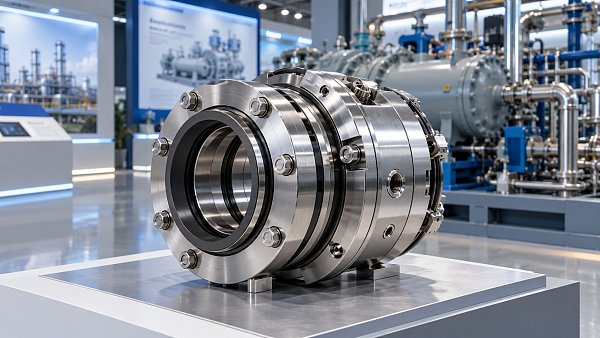
 How to select low-friction industrial seals for centrifugal pumpsChoose industrial seals for low friction in centrifugal pumps. Compare face materials, lubrication and support systems to reduce wear and operating losses. Find the right fit.
 A supply chain analysis framework for spotting mold delivery risksUse a supply chain analysis framework to spot mold delivery risks, verify critical dependencies, and protect launch schedules. Discover practical steps to act early.
 How bearing prices shape machine tool spindle production cost trendsExplore how bearing prices shape spindle production cost trends, from assembly and testing to supply risks. Uncover hidden costs and make smarter sourcing decisions.
 Carrier Plans $600 Million Advanced Manufacturing Center With 5-Axis CNC EquipmentCarrier plans a $600M+ advanced manufacturing center with 5-axis CNC equipment in Texas. Explore potential opportunities for machining suppliers and commercial chiller buyers.
 Why do pH meters give unstable readings in metalworking coolants?Unstable pHmeters in metalworking coolants? Learn how to identify probe fouling, verify calibration, and improve sampling for reliable readings before costly coolant adjustments.
 Aluminum vs. titanium for lightweight parts with equal stiffnessEngineering materials comparison: lightweight alloys aluminum and titanium face off at equal stiffness. Discover how geometry, loading, and cost guide the best choice for lighter parts.
 Which engineering materials hold tight tolerances as temperatures change?Explore our engineering materials comparison by tolerance to learn how Invar, ceramics, steel, and aluminum handle temperature changes—and find the right fit for precision designs.
 John Crane to Showcase Emissions and Downtime Reduction Technologies at ADIPEC 2026John Crane at ADIPEC 2026: Explore technologies targeting lower emissions and compressor downtime, and discover what reported savings could mean for your operations.
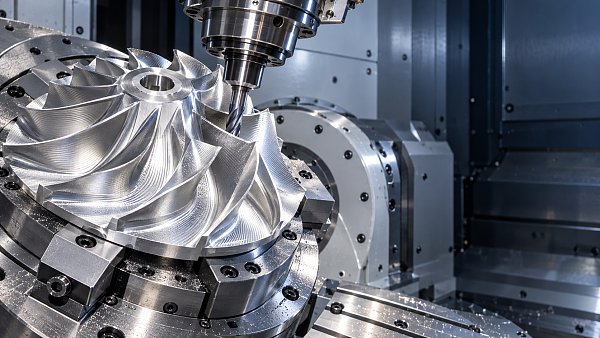
 When does precision engineering machining need a 5-axis machine?Discover when precision engineering machining needs 5-axis capability. Compare 3+2 and simultaneous machining to improve tool access, control costs, and choose the right process.
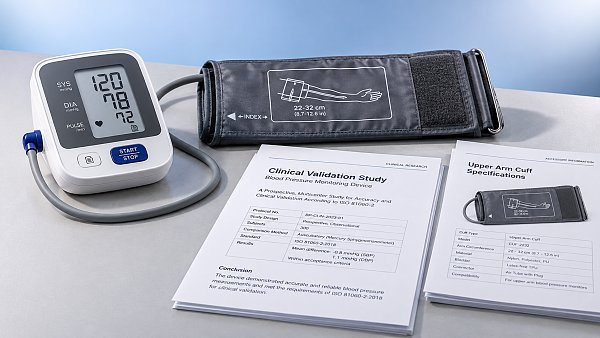
 How to check clinical validation of wholesale blood pressure monitorsSourcing blood pressure monitors wholesale? Learn how to verify clinical studies, registry listings, cuff coverage, and model identity before approving your next bulk order.
 How much lithium battery storage do you need for solar energy?Lithium battery storage for solar energy: learn to calculate capacity, account for losses, and check backup power. Avoid costly sizing mistakes and find the right system for your needs.
 11th CIMSS Conference in Wuxi to Focus on Metalworking Fluid Industry UpgradesExplore the 11th CIMSS Conference in Wuxi, October 22–23, 2026, for insights into metalworking fluid innovation, industrial cleaning and cost control to support industry upgrades.
 Can solid-state battery breakthroughs scale to mass-produced EVs?Solid-state battery breakthroughs for electric vehicles: can they scale? Explore manufacturing yield, pack costs, and real-world performance to uncover what stands between lab success and mass production.
 Can digital manufacturing improve competitiveness by cutting lead times?Explore digital manufacturing competitiveness: learn how shorter lead times, smarter scheduling, and connected quality data can help win orders and cut costs without compromising quality.
 How to size a hydraulic press for forging large steel componentsSize a hydraulic press for forging large steel components with confidence. Learn how to assess forming force, working speed, stroke, and capacity limits to avoid costly selection errors.
 Aerospace Actuator Maker 7958 Joins Emerging Stock Market on October 22Aerospace actuator maker 7958 joins the Emerging Stock Market on October 22, 2026. Explore its precision motor technology and growth plans for drones and robotics.
 How to calculate payload for industrial robots removing molded partsSize industrial robots for molded-part removal with confidence. Learn to calculate total payload, center of gravity, inertia, and extraction loads to avoid overloads and optimize cycle times.
 When do automated CNC cell systems pay off for 5-axis machining?When do automated cnc cell systems pay off for 5-axis machining? Discover how demand, unattended reliability, and total costs shape ROI—and build a stronger investment case.
 When is industrial procurement support worth the cost for tooling?When is industrial procurement support worth the cost for tooling? Discover how to compare total costs, assess supplier risk, and build a clear break-even case before you invest.
 How to assess a mold manufacturer's cooling design expertiseAssess a mold engineering manufacturer's cooling expertise with key checks for thermal simulations, circuit flow, and mold trials. Learn what evidence to demand before approving your supplier.
 How to vet OEM mold suppliers in a manufacturing directoryUsing a manufacturing directory with OEM suppliers? Learn how to vet mold makers, verify capabilities, compare quotes, and define acceptance criteria to reduce sourcing risk.



Search News
Popular Tags