
How to vet private label manufacturers in Latin America
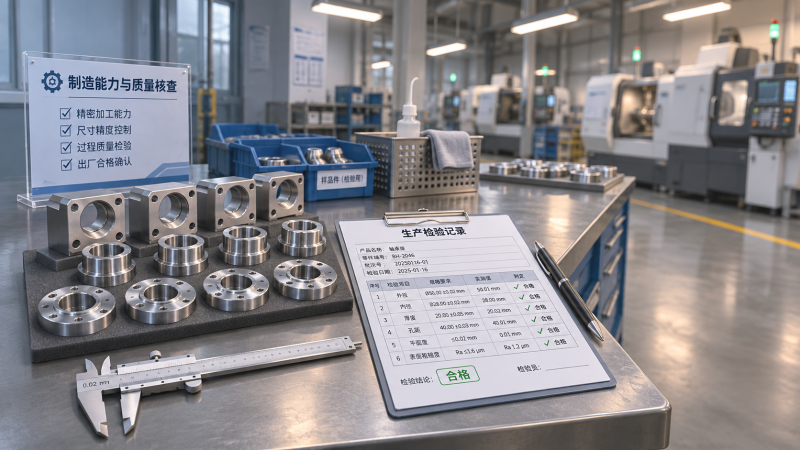
Choosing the right partner for private label manufacturing Latin America requires more than comparing quotes. Procurement teams must verify production capabilities, quality controls, regulatory compliance, and supply-chain reliability before committing to a supplier.
From reviewing certifications and audit records to assessing lead times and traceability, a structured vetting process can expose risks that are easy to overlook.
This guide outlines practical checks buyers can use to evaluate manufacturers, protect product quality, and make better-informed sourcing decisions across Latin America.
What should procurement verify before choosing a manufacturer?
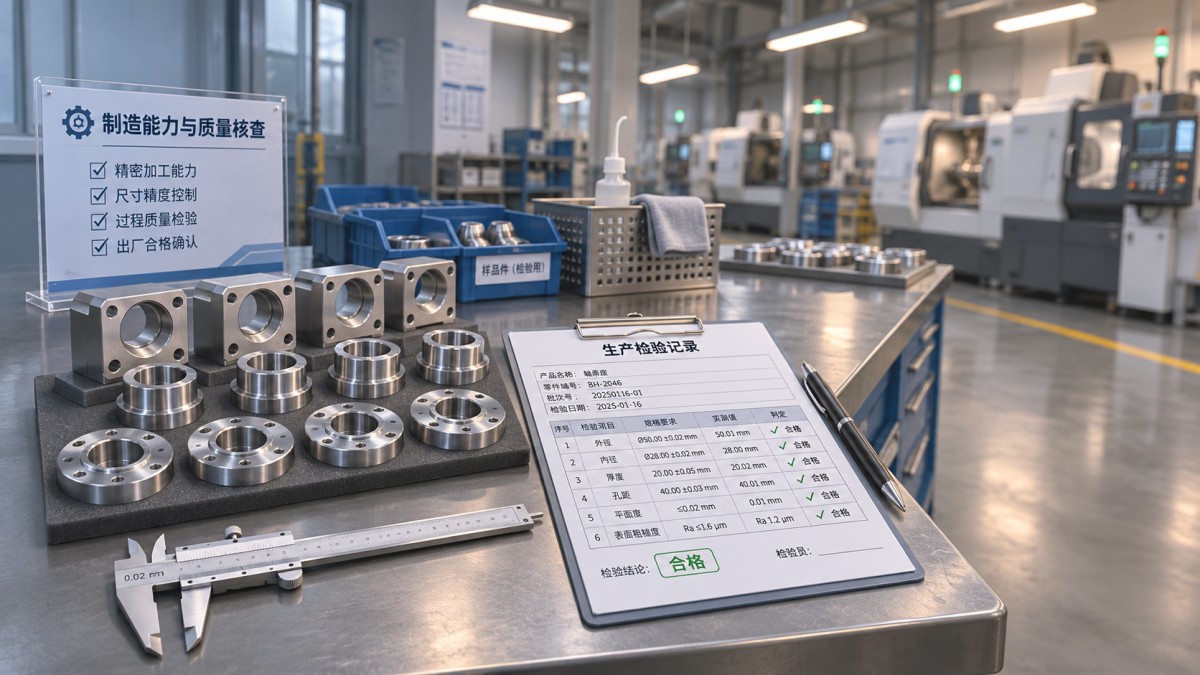
A credible supplier should demonstrate that it can make your specific product consistently, meet destination-market requirements, and deliver at a commercially acceptable total cost.
Start with evidence of actual production, not a polished catalog. Request recent examples of comparable products, relevant process capabilities, quality records, and permission to verify key claims.
Then assess whether the supplier owns the processes critical to your product or depends on subcontractors. A manufacturer can be suitable while outsourcing, provided those dependencies are disclosed and controlled.
For precision components, seals, pumps, or functional chemicals, technical fit deserves particular attention. An attractive quotation has limited value if the supplier cannot maintain required tolerances or material properties.
Before issuing a purchase order, resolve material gaps through documentation, an audit, a controlled sample, and a written agreement. Scale the depth of review to product risk.
Define what the supplier must deliver
Build a sourcing brief before comparing manufacturers. Include the product’s intended use, performance requirements, forecast demand, target markets, packaging, delivery expectations, and required documentation.
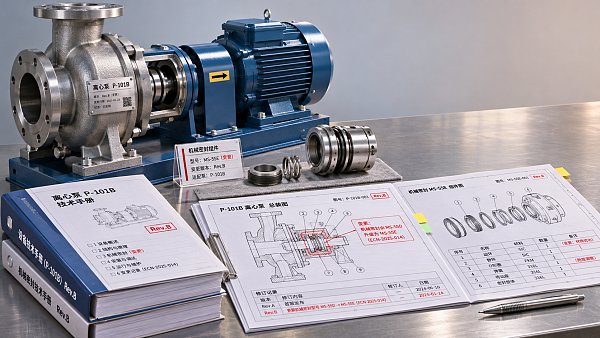
For engineered products, provide controlled drawings and specifications with revision numbers. Identify critical dimensions, acceptable tolerances, material grades, surface finishes, testing methods, and acceptance criteria.
For chemicals or lubricants, specify relevant composition limits, performance properties, shelf life, storage conditions, and required safety documentation. Confirm whether the supplier may change ingredients or sources.
Distinguish mandatory requirements from preferences. A supplier that fails a safety-critical specification should not advance simply because it offers lower minimum order quantities or a shorter lead time.
Clarify the private label arrangement as well. Establish who supplies the design or formulation, who owns tooling and artwork, and whether the product is exclusive.
How can you confirm production capability?
Ask for a process flow showing each production step, inspection point, and external provider. Compare it with your requirements to identify capability gaps and uncontrolled handoffs.
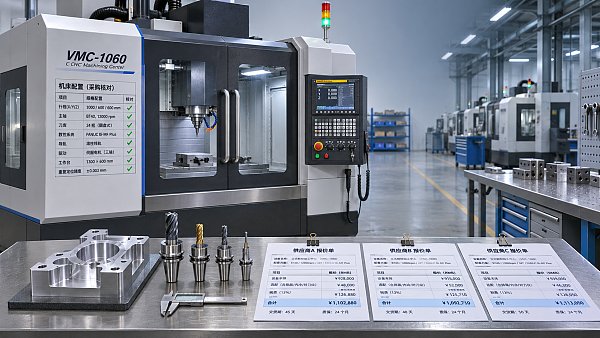
Review equipment lists alongside evidence of use and maintenance. Machine ownership alone does not prove that operators can repeatedly achieve your tolerances at the planned production volume.
Request examples of comparable work, while respecting other customers’ confidentiality. Useful evidence includes anonymized inspection reports, material certificates, production records, and process capability data where appropriate.
For machined parts, examine how the manufacturer controls tool wear, fixture stability, measurement uncertainty, and dimensional variation. Confirm that inspection equipment can measure the features you specify.
For pumps, seals, or fasteners, verify relevant assembly and performance testing. Depending on the product, this may include pressure, leakage, torque, hardness, or material compatibility checks.
Ask how much capacity is available during your expected production window. Review current utilization, maintenance schedules, staffing, and recovery plans rather than relying on a stated maximum capacity.
Which quality records and certifications matter?
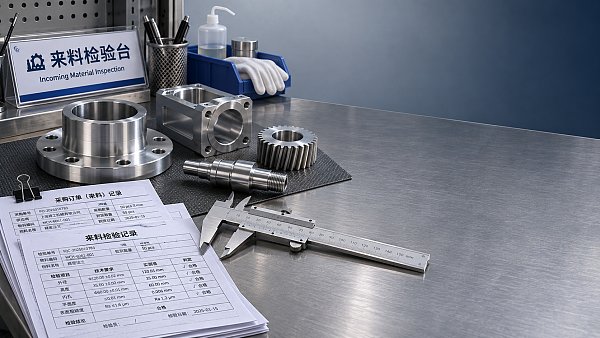
Request the supplier’s quality manual or relevant procedures, recent audit summaries, corrective-action examples, and records for calibration, training, incoming inspection, and product release.
ISO 9001 certification can indicate an established quality management system, but it does not certify every product. Check the certificate’s scope, sites, validity, and issuing certification body.
Where applicable, verify certificates through the issuer or an appropriate accreditation database. Confirm that the certified location is the one that will actually manufacture your order.
Product-specific standards require separate checks. Identify the applicable ISO, DIN, ASME, JIS, or other requirements in your specification, including the relevant edition and acceptance method.
Ask for evidence that nonconforming material is identified and contained. Review how the supplier investigates root causes, implements corrective actions, and confirms that problems do not recur.
Traceability should connect finished goods to production lots, material sources, inspection results, and shipment records. Agree on record retention periods based on contract and regulatory needs.
Should you audit the factory?
A factory audit is especially valuable when products are safety-critical, specifications are difficult to verify after delivery, or the supplier has limited independently verified history.
Use an auditor with relevant product and process knowledge. An on-site visit can reveal conditions that documents miss, including material segregation, actual equipment use, and operator practices.
Walk through the proposed production route from incoming materials to dispatch. Check whether observed practices match the supplier’s procedures and whether records are completed when work occurs.
Interview production and quality personnel separately from sales representatives. Ask them to explain a recent defect, the containment action taken, and how affected lots were identified.
If travel is impractical, a remote audit can support initial screening. Use live video, document review, and targeted interviews, while recognizing that remote access limits independent observation.
Record findings by severity, assign owners and deadlines, and verify corrective actions before approval. Major unresolved issues should block production until the risk is acceptably controlled.
How do you check regulatory and labeling obligations?
Requirements depend on the product, its claims, and every market where it will be sold. Manufacturing in one country does not establish compliance in another.
Map obligations for the manufacturing location, transit route, and destination market. Identify the responsible importer, required registrations, conformity assessment, labeling language, and customs documentation.
For lubricants and functional chemicals, review applicable classification, safety data sheets, transport rules, and ingredient restrictions. Engage qualified specialists when formulations or market requirements are complex.
For industrial hardware, determine whether the intended application triggers additional safety, pressure equipment, or sector-specific requirements. Verify compliance evidence against the exact product and configuration.
Approve label artwork before production. Check brand identity, product identification, country-of-origin statements where required, warnings, lot codes, and any mandatory importer or manufacturer details.
Do not assume a trade agreement automatically removes duties. Confirm tariff classification, origin rules, supporting documentation, and current eligibility with a qualified customs or trade professional.
What should samples and pilot orders prove?
A sample should demonstrate more than appearance. Define the production process, material source, test methods, and acceptance criteria before the manufacturer makes the sample.
Whenever possible, use production-intent tooling, equipment, materials, and personnel. Document any differences between the sample process and the process proposed for regular orders.
Test critical characteristics against the specification using qualified methods. Independent laboratory testing may be justified for material composition, safety performance, chemical properties, or other high-consequence claims.
A pilot order adds evidence about repeatability, packaging, documentation, and delivery. Inspect multiple units or lots according to a sampling plan suited to the risk.
Agree on who pays for samples, tests, tooling modifications, and failed trials. Retain an approved reference sample and link it to the controlled specification.
Set clear release conditions for production. Passing a sample test should not waive ongoing inspection, change-control requirements, or the supplier’s responsibility for conforming deliveries.
How should buyers compare cost and delivery risk?
Compare suppliers using total landed cost rather than unit price alone. Include tooling, packaging, freight, insurance, duties, brokerage, testing, inventory, and expected quality costs.
Model at least one disruption scenario, such as delayed imported inputs or a rejected batch. Estimate the effect on stock levels, expedited freight, and production continuity.
Ask suppliers to separate manufacturing lead time from transit and customs clearance. Confirm when the clock starts, what assumptions apply, and how holidays affect scheduling.
Review the proposed Incoterms rule and named place carefully. These terms allocate selected delivery obligations and risks, but the contract should also address payment and title transfer.
Latin America includes diverse manufacturing markets and transport routes. Assess the specific factory, border crossing, port, and destination instead of assuming the same lead time across the region.
Evaluate financial and operational resilience through appropriate checks, such as trade references, available financial information, supplier dependencies, and plans for equipment failure or workforce disruption.
What belongs in the manufacturing agreement?
Attach the approved specification, drawings, test methods, packaging requirements, and document list to the agreement. State which version controls if documents conflict.
Define inspection rights, acceptance procedures, defect notification, remedies, and responsibility for returns or rework. Set measurable delivery terms and an escalation process for missed commitments.
Require written approval before changes to critical materials, formulations, manufacturing sites, processes, or subcontractors. Specify what evidence and requalification testing each proposed change requires.
Address ownership and permitted use of intellectual property, trademarks, artwork, tooling, molds, and formulations. Include confidentiality obligations and practical arrangements for retrieving buyer-owned assets.
Agree on forecast commitments, minimum orders, pricing adjustments, payment terms, and currency. For volatile materials, define the index, calculation method, review frequency, and any adjustment limits.
Document continuity and exit arrangements, including access to records, remaining inventory, tooling transfer, and support for a replacement supplier. Obtain legal review for relevant jurisdictions.
Which warning signs should stop or delay approval?
Delay approval if a supplier cannot identify the actual production site, disclose critical subcontractors, or provide verifiable evidence supporting essential quality and compliance claims.
Investigate inconsistent certificates, missing calibration records, unexplained sample changes, and reluctance to discuss defects. These signals require clarification and evidence, not immediate assumptions about misconduct.
Be cautious when quoted capacity, lead times, or tolerances are substantially better than competitors’ offers without a convincing technical explanation or a documented production plan.
Repeatedly missed corrective-action deadlines also matter. A supplier’s willingness and ability to resolve problems can be as consequential as the original audit finding.
Use a documented scorecard covering technical capability, quality, compliance, delivery, commercial terms, and resilience. Apply mandatory pass criteria before ranking suppliers on price or preference.
Make the final sourcing decision
The strongest candidate for private label manufacturing Latin America is the supplier whose evidence matches your product requirements, risk tolerance, delivery needs, and commercial objectives.
Approve the manufacturer only after critical gaps are closed, relevant samples or pilot orders pass, and responsibilities are captured in a workable agreement.
After launch, monitor defects, on-time delivery, corrective actions, and approved changes. Review performance regularly so that supplier approval remains supported by current production evidence.
Facing technical bottlenecks in manufacturing or looking for more efficient industrial solutions? Leave your details below and let the engineering experts at G-PME solve them for you.
We respect your privacy. Your information is strictly confidential.
Recommended News
 How to vet private label manufacturers in Latin AmericaPrivate label manufacturing Latin America: discover how to vet suppliers, verify quality and compliance, and reduce sourcing risks before you commit.
 How to choose home textiles that withstand frequent washingMake every textile home purchase count. Discover how to choose durable towels, bedding and covers that fit your laundry routine and withstand frequent washing.
 When does autonomous machining for automotive production make sense?Autonomous machining for automotive production: discover when it pays off and how to assess process stability, quality risks, capacity, and ROI.
 How to find the right OEM quick installation guide for your deviceFind the right OEM consumer electronics quick installation guide for your device. Learn how to verify your model, revision, and official setup instructions.
 How to select manufacturing materials for high-temperature useMaterial selection for manufacturing guide: compare high-temperature materials by strength, creep, environment and fabrication to choose with confidence.
 What causes car electronics to drain the battery when parked?Car electronics can drain your battery while parked. Discover common causes, from hidden lights to faulty modules, and learn how to pinpoint the problem.
 How to compare machine tool prices across supplier quotesUnderstand machine tool market pricing and compare supplier quotes with confidence. Uncover hidden costs, assess performance, and negotiate better terms.
 How machine thermal stability affects machining accuracyMachine thermal stability directly affects machining accuracy. Discover how to measure thermal drift, evaluate test results, and maintain tighter tolerances.
 How to assess an industrial machining factory's inspection processAssess an industrial machining factory’s inspection process with practical checks for measurement methods, traceability, sampling, and quality records.
 Can AI CNC programming reduce setup time in European factories?Can AI CNC programming in Europe reduce setup time? Discover where it saves effort, what affects results and how to run a practical factory pilot.
 Which medical scrubs are most comfortable for long shifts?Find comfortable medical scrubs for long shifts. Compare fabrics, fit, breathability, and practical features to choose a set that moves with you all day.
 How to compare quotes from shipping agentsCompare shipping agents with confidence. Learn how to assess total costs, hidden fees, Incoterms, insurance, and cargo handling before you book.
 Can a manufacturing capability assessment identify capacity risks?A manufacturing capability assessment can uncover bottlenecks and capacity risks before they delay your project. Discover how to evaluate suppliers and protect delivery dates.
 How supplier sourcing solutions support incoming quality inspectionExplore supplier sourcing solutions quality assurance practices that strengthen incoming inspections, improve traceability, and reduce supply risks.
 How to verify FDA clearance when choosing an aesthetics device supplier in the USAChoosing an aesthetics devices supplier in USA? Learn how to verify FDA records, match device configurations, and compare costs with confidence.
 How technical specification support helps verify semiconductor compatibilityTechnical specification support for semiconductors helps verify compatibility, identify hidden risks, and guide confident component selection. Explore the key checks.
 How to assess shelf life when buying bath bombs wholesaleBuying bathbombswholesale? Learn how to assess shelf-life claims, packaging and remaining selling time to protect margins and make smarter purchasing decisions.
 How reshoring affects CNC industry investment in the USAExplore how reshoring shapes CNC industry investment in the USA, from machine purchases and automation to supply chain risks and smarter capital decisions.
 How to keep application engineering support documentation currentKeep application engineering support documentation current with practical guidance on ownership, change control, supplier updates, and reliable handovers.
 When is a scraper chip conveyor system suitable for CNC swarf?Is a scraper chip conveyor system right for your CNC swarf? Explore chip types, coolant filtration, capacity and wear to make a confident choice.
 How to size a CNC surface grinding machine for your workpiecesChoose the right surface cnc grinding machine with practical guidance on travel, clearance, load capacity and accuracy for your workpieces.














Search News
Popular Tags