
Precision Milling Center Factory Claims That Actually Matter
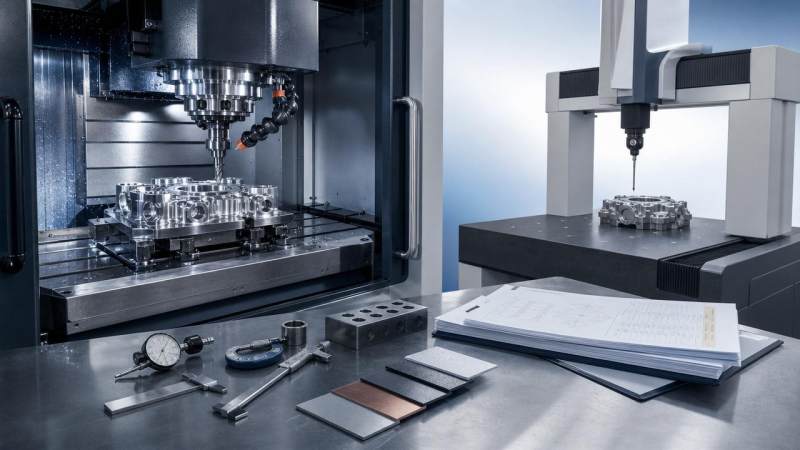
Choosing a precision milling center factory is not about bold claims. It is about measured performance, process stability, and dependable supply execution.
Across industrial sectors, tighter tolerances, shorter lead times, and stricter compliance are changing how factory claims are judged. What mattered yesterday was capacity. What matters now is proof.
In this environment, the most useful claims are technical and commercial. They show whether a factory can hold accuracy, manage materials, document quality, and deliver repeatable output.
Why precision milling center factory evaluation is becoming more evidence-driven
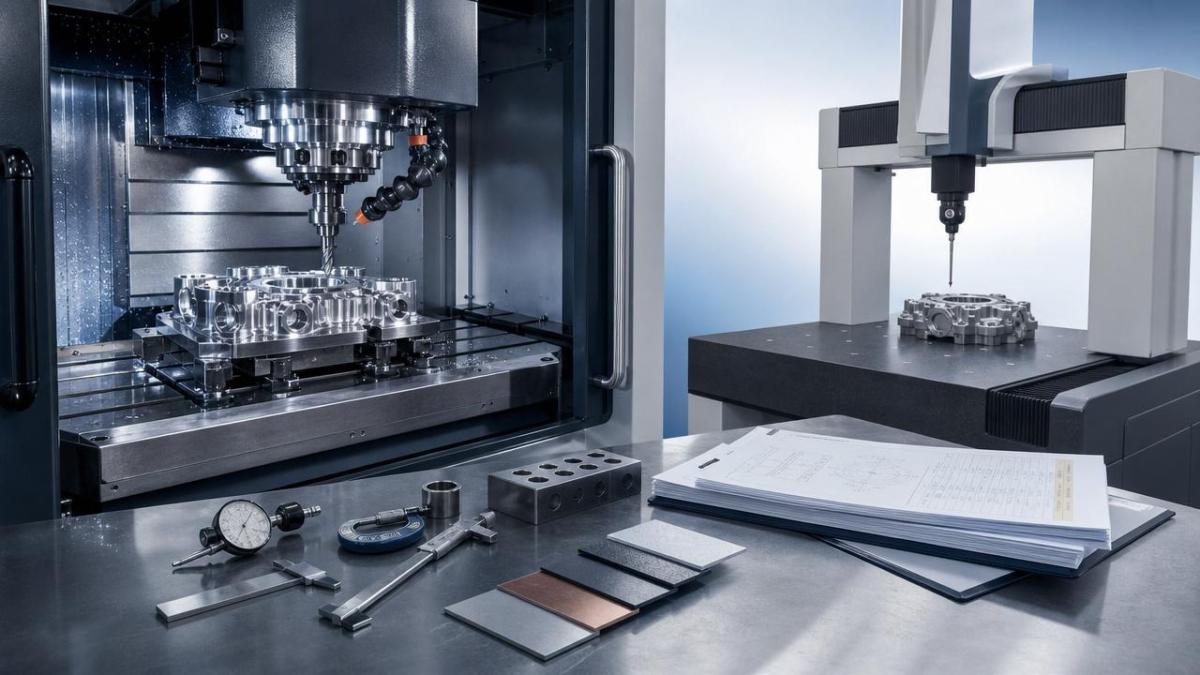
The market is moving away from generic machining promises. Buyers now compare factories through traceable metrics, process discipline, and engineering transparency.
A modern precision milling center factory must support complex geometries, difficult materials, and tighter validation requirements. That includes aluminum, stainless steel, titanium, and engineering plastics.
At the same time, production risk has become more visible. Delayed tooling, unstable raw material quality, and inconsistent inspection methods can disrupt entire industrial programs.
This is why marketing language alone no longer works. The factory claim must connect directly to measurable outcomes such as tolerance capability, Cpk trends, and on-time delivery rate.
The strongest trend signals behind factory claim scrutiny
Several industry signals explain why every precision milling center factory is under closer evaluation than before.
These signals affect not only machining quality. They also influence costing, scheduling, warranty risk, and long-term sourcing confidence.
Which precision milling center factory claims actually deserve attention
Not all claims are equal. The best indicators are specific, measurable, and easy to verify during technical review.
1. Tolerance capability should be stated with conditions
A credible precision milling center factory does not simply say “high precision.” It explains achievable tolerances by material, feature type, batch size, and inspection method.
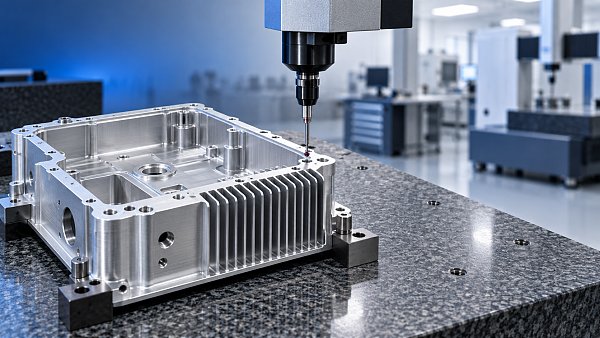
Claims such as ±0.005 mm are useful only when they identify whether the tolerance applies to flatness, hole position, profile, or overall dimensions.
2. Machine platform matters more than machine count
A long equipment list sounds impressive. Yet machine quantity alone says little about actual performance.
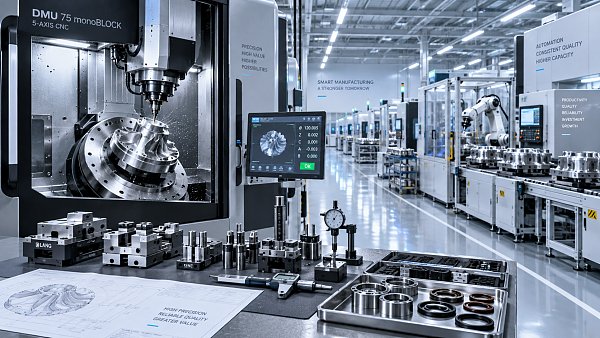
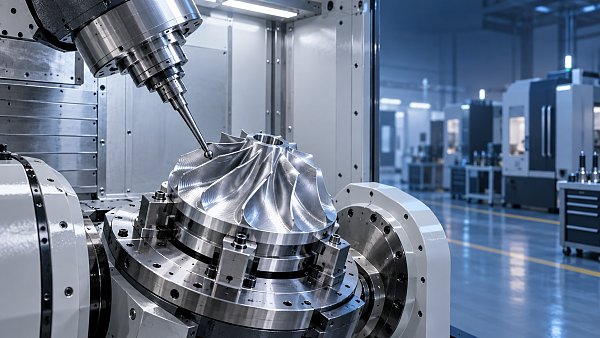
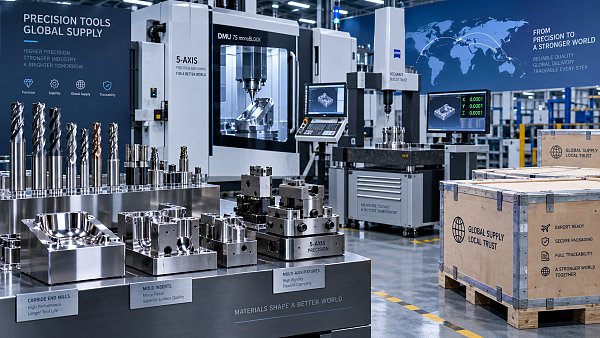
More important factors include 3-axis versus 5-axis capability, spindle speed range, thermal compensation, fixture strategy, and preventive maintenance discipline.
3. Quality systems should connect paperwork to process control
ISO certification is a baseline, not the full answer. A strong precision milling center factory also shows first article inspection, in-process checks, final verification, and nonconformance handling.
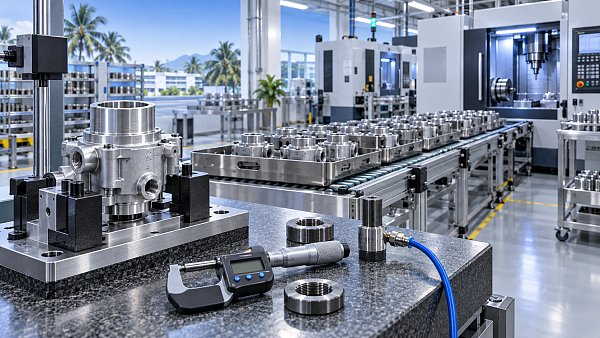
Calibration control, gauge traceability, and version-controlled drawings are especially relevant for repeat programs and regulated industries.
4. Material control should be documented from source to part
Material mistakes are expensive and avoidable. Reliable factories provide mill certificates, lot traceability, and storage controls for sensitive or high-value materials.
This matters even more when a precision milling center factory supports aerospace, medical, electronics, energy, or fluid-control applications.
5. Delivery claims should include planning logic
“Fast delivery” is too vague. A better claim shows prototype lead time, production lead time, bottleneck management, and subcontract coordination.
When delivery promises are backed by scheduling methods and actual performance data, the commercial value becomes far more credible.
What is driving these changes in precision milling center factory selection
The pressure on supplier evaluation comes from both engineering complexity and business risk. Several drivers are shaping the next standard of factory credibility.
- More components require multi-face machining in one setup.
- Product lifecycles are shorter, reducing tolerance for rework delays.
- Global sourcing increases the need for standardized documentation.
- Raw material cost swings force closer scrutiny of scrap rates.
- Regulated sectors demand stronger traceability and validation records.
For this reason, every precision milling center factory is being judged less by claims of scale and more by evidence of process maturity.
How these factory claims affect cost, risk, and operational continuity
The impact of factory credibility reaches far beyond a single part price. It shapes project stability across design, production, maintenance, and aftermarket support.
When a precision milling center factory can maintain repeatable accuracy, fit issues decline. Assembly consistency improves, and field failures become less likely.
When documentation is complete, approval cycles move faster. Engineering changes become easier to control, and future batches remain aligned with the original design intent.
When delivery planning is realistic, inventory buffers can be reduced. This lowers carrying cost and improves production scheduling confidence.
Weak claims create the opposite outcome. Hidden variation, unverified material substitutions, and missed lead times often cost more than an initially lower quotation.
The most important checkpoints before trusting a precision milling center factory
A practical review should focus on evidence that can be tested quickly. The following checkpoints help separate reliable capability from polished sales language.
- Ask for sample inspection reports tied to actual part features.
- Review machine capability by part complexity, not only brand name.
- Confirm material certificates and lot traceability procedures.
- Check calibration records for CMMs, micrometers, and gauges.
- Request historical on-time delivery performance where possible.
- Verify how engineering changes are controlled and communicated.
- Evaluate whether subcontracted processes are internally managed.
These checkpoints help determine whether a precision milling center factory can protect continuity under real production pressure.
A better way to compare factory claims in the next evaluation cycle
Using this framework, a precision milling center factory can be assessed with greater fairness and less dependence on subjective impressions.
Where the next competitive edge will come from
The next advantage will come from integration. Factories that connect machining excellence with data visibility, quality traceability, and supply responsiveness will stand out.
This aligns with the wider industrial shift toward measurable reliability. In complex manufacturing, precision is no longer only a technical issue. It is a business continuity issue.
A capable precision milling center factory should therefore be viewed as part engineering resource, part quality system, and part risk-control partner.
What to do next when reviewing a precision milling center factory
Build the next comparison around proof points. Ask for tolerances with context, quality records with traceability, and delivery data with planning assumptions.
Then compare each precision milling center factory on risk reduction, not only quoted price. That approach produces stronger sourcing decisions and more stable long-term outcomes.
In a market defined by tighter standards and faster change, the factory claims that matter are the ones that can be verified, repeated, and trusted.
Recommended News
 Where machine shop digital transformation delivers the fastest paybackMachine shop digital transformation delivers faster payback by reducing downtime, setup delays, quality risks, and capacity constraints with focused, measurable workflows.
 When a semiconductor manufacturing solutions provider can shorten process ramp-upA semiconductor manufacturing solutions provider can shorten ramp-up through validated hardware, change control, field support, and resilient supply chains.
 How to evaluate CNC tooling suppliers in Europe for repeatable precisionCNC tooling Europe: learn how to evaluate suppliers for repeatable precision, stable tool life, application support, traceability, and resilient delivery.
 When does manufacturing competitiveness consulting pay off for a plant?Manufacturing competitiveness consulting pays off when plants face costly constraints, capital decisions, quality risks, or supply disruptions. Learn how to build a measurable ROI case.
 How to order acoustic ceiling tiles in bulk without overbuyingAcoustic ceiling tiles bulk buying made simple: calculate accurate quantities, control waste, secure spare stock, and plan phased deliveries to avoid costly overordering.
 Which laboratory microscopes fit routine quality inspection work?Laboratory microscopes for routine quality inspection: compare stereo, digital, compound, and measuring options to improve defect detection, documentation, and throughput.
 Can AI for multi axis machining reduce errors in complex toolpaths?AI for multi axis machining helps reduce complex toolpath errors through smarter collision detection, kinematic analysis, post validation, and machine-data insights. Learn how to improve precision.
 How seamless steel pipes are checked for wall-thickness consistencySeamlesssteelpipes wall-thickness checks explained: learn how ultrasonic scanning, calibration, and tolerance control ensure reliable, pressure-ready pipe quality.
 When a horizontal boring machine for metalworking improves large-part setupHorizontal boring machine for metalworking: learn how stable datums, rotary indexing, and rigid fixturing improve large-part accuracy and setup efficiency.
 What the MTTF standard for CNC means for machine reliabilityMTTF standard for CNC explained: learn how failure definitions, duty cycles, MTTR, and real-world data shape machine reliability and uptime.
 When does company formation offshore reduce cross-border tax risk?Companyformationoffshore can reduce cross-border tax risk when substance, governance, transfer pricing, and supply-chain roles align. Learn the key tests.
 How to read a measuring tape accurately for repeatable cutsMeasuringtape guide for accurate, repeatable cuts: master markings, hook movement, reference edges, kerf control, and stop-block setup.
 How to assess a CNC cutting tools manufacturer before orderingAssess a CNC cutting tools manufacturer with confidence: compare quality control, application support, trial results, supply reliability, and total machining cost before ordering.
 How often should scaffolding be inspected on active job sites?Scaffolding inspection guidance for active job sites: learn when to inspect, key safety triggers, compliance intervals, and practical controls to prevent incidents.
 What to verify when sourcing precision machining tools in EuropePrecision machining tools Europe sourcing guide: verify accuracy, ISO compliance, traceability, service coverage, and delivery resilience to reduce risk and lifecycle costs.
 When electronics require precision manufacturing at micron tolerancesPrecision manufacturing solutions for electronics deliver micron-level control, reliable inspection, and scalable quality for critical housings, thermal parts, and complex assemblies.
 When do cabletrays need corrosion protection in industrial facilities?Cabletrays need corrosion protection when exposed to moisture, chemicals, salt, washdown, or condensation. Learn how to select durable materials and protect critical industrial routes.
 What suppliers must prove for manufacturing standards compliance in Southeast AsiaManufacturing standards compliance Southeast Asia: learn what suppliers must prove, from traceable materials and calibrated tools to controlled processes, safety, and shipment records.
 What to verify in a fluid control manufacturer's quality systemFluid control manufacturer quality checks: verify traceability, testing, calibration, document control, and corrective actions to reduce risk.
 When do smart device manufacturing solutions reduce assembly errors?Smart device manufacturing solutions reduce assembly errors with closed-loop controls, vision inspection, torque verification, and traceable process data. Learn what drives reliable production.
 Import trends reshaping precision tooling supply in 2026Import trends in 2026 are reshaping precision tooling supply. Discover how to reduce landed risk, strengthen sourcing resilience, and protect production performance.








Search News
Popular Tags