
CNC Lathe Manufacturer Claims vs Real Tolerance Stability
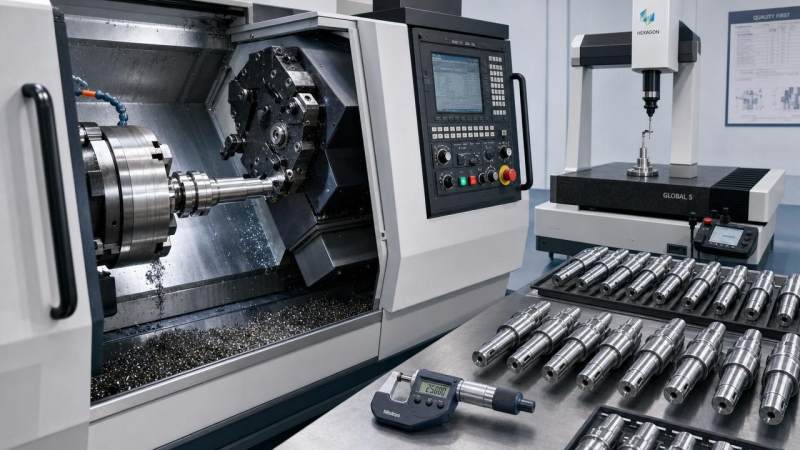
Every cnc lathe manufacturer promises tight tolerances, but technical evaluators know that true value lies in tolerance stability over time, materials, and production volume. This article examines how to separate marketing claims from measurable machining performance, using engineering criteria, process control indicators, and real-world verification methods that matter in high-stakes industrial procurement.
Why tolerance stability matters more than headline accuracy
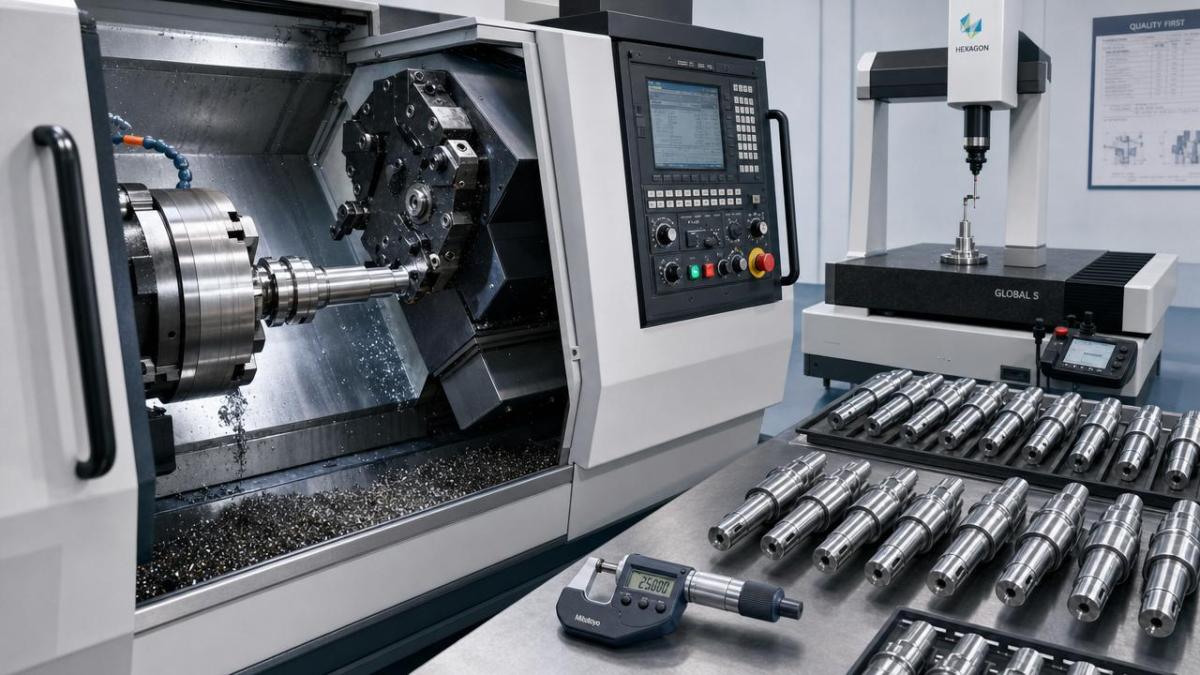
A cnc lathe manufacturer can publish impressive sample tolerances under controlled conditions. That does not guarantee repeatability across shifts, batches, thermal loads, or harder-to-cut materials.
In real production, stability determines scrap rates, downstream fit, sealing performance, assembly time, and field reliability. The issue is not one perfect part. The issue is thousands of consistent parts.
This is especially important in a cross-industry environment. Automotive, fluid systems, energy, aerospace support, industrial equipment, and medical-adjacent components all depend on predictable dimensional behavior.
That is why any cnc lathe manufacturer should be assessed through process capability, machine condition, compensation strategy, inspection discipline, and historical drift control rather than brochure language.
What to verify before accepting a cnc lathe manufacturer claim
Use the points below to evaluate whether a cnc lathe manufacturer can maintain tolerance stability in real operating conditions, not only during a short demonstration run.
- Ask for tolerance data across at least three production lots, showing mean, range, Cp, and Cpk values for critical diameters, lengths, concentricity, and surface finish.
- Confirm whether machine warm-up routines, spindle growth compensation, and ambient temperature controls are documented, measured, and linked to dimensional correction practices.
- Review capability by material type, because aluminum, stainless steel, titanium, and alloy steels create different cutting forces, heat patterns, and tool wear behavior.
- Check if the cnc lathe manufacturer separates first-piece qualification from full-batch stability, since initial conformance often hides drift later in long unattended cycles.
- Verify gauge calibration intervals, measurement system analysis, and operator consistency, because unstable metrology can falsely suggest stable machining performance.
- Request evidence of tool life management, insert change criteria, and wear offset rules, especially where tight bores or sealing faces are dimensionally sensitive.
- Examine chucking, workholding, and bar support methods, since part distortion and runout often originate in setup design rather than machine spindle quality alone.
- Review maintenance records for spindle vibration, backlash, turret alignment, way condition, and coolant health, because neglected machines rarely hold long-term precision.
- Ask how the cnc lathe manufacturer handles process changes between prototype, pilot, and production stages, including program revisions and fixture repeatability controls.
- Require traceable inspection reports tied to machine number, operator, tool set, raw material heat, and timestamp to identify hidden variation sources quickly.
Signals that distinguish marketing from engineering reality
Brochures often highlight “±0.005 mm capability” without defining part geometry, length-to-diameter ratio, cutting condition, or inspection environment. Such claims are incomplete and potentially misleading.
A reliable cnc lathe manufacturer usually provides boundary conditions. These include material grade, cutting speed, coolant strategy, tool brand, batch size, and the exact characteristic being controlled.
Evidence that strengthens confidence
- Statistical process control charts showing stable trends instead of only best-case measurements.
- Gage R&R data proving that measured variation mostly comes from the process, not the inspection method.
- Control plans listing response actions when dimensions approach warning limits.
- Production records demonstrating capability after tool changes, maintenance events, and operator handovers.
A cnc lathe manufacturer that shares this level of detail usually understands that precision is a managed system, not a slogan. That mindset matters across the broader industrial supply chain.
How evaluation criteria change by application
Sealing and fluid-control components
For valves, pump parts, and sealing interfaces, roundness, surface finish, and concentricity may matter more than nominal diameter alone. Leakage risk rises when micro-geometry becomes unstable.
A cnc lathe manufacturer serving these parts should show process control for bore finish, edge condition, and tool wear progression near sealing lands and mating surfaces.
Rotating shafts and bearing fits
Shafts require stable cylindricity, shoulder squareness, and controlled fit zones. Dimensional drift can create vibration, heat, poor bearing life, or assembly rejection.
In this case, verify spindle condition, support strategy, chuck pressure consistency, and thermal behavior during longer cycle times or higher removal rates.
Complex turned-milled parts
Multi-operation parts introduce stack-up risk. Turning accuracy may be acceptable, while live-tool features or secondary indexing degrade positional consistency.
A cnc lathe manufacturer handling such parts should provide combined datum strategy, in-process verification, and evidence that tolerance interaction is understood before volume release.
Commonly overlooked risks during supplier comparison
Prototype success does not prove production stability
Short prototype runs often use fresh tools, slower feeds, senior operators, and extra inspection time. Those conditions may not exist in scaled production.
Material variation can invalidate quoted performance
Different heat lots affect hardness, chip formation, and residual stress. A cnc lathe manufacturer should explain how incoming material variability is monitored and absorbed.
Inspection timing can hide process drift
If parts are measured only after batch completion, process instability may be discovered too late. Mid-batch checks and reaction thresholds are essential.
Machine brand alone is not enough
A premium machine does not guarantee premium output. Setup discipline, maintenance quality, tooling choices, and process control often drive the final result more than brand reputation.
Practical verification steps before final approval
- Define three to five critical characteristics and request lot-based capability evidence for each one.
- Run a controlled sample order using actual production material, realistic batch size, and standard cycle parameters.
- Compare first-piece, mid-run, and end-run data to detect thermal drift and tool wear effects.
- Audit measurement methods, calibration traceability, and part handling between machining and inspection.
- Review nonconformance response plans, including quarantine, root cause analysis, and corrective action timing.
- Revalidate after engineering changes, raw material substitution, or production transfer to another machine cell.
FAQ about cnc lathe manufacturer tolerance claims
What is the most useful metric beyond a tolerance statement?
Cpk is highly useful because it shows whether the process stays centered and capable over time. It is more informative than isolated pass results.
Should a cnc lathe manufacturer provide data for every material?
Not every material, but certainly for the specific grades relevant to the project. Material-dependent behavior can change true tolerance stability significantly.
Is tighter advertised tolerance always better?
No. Stable, verified performance within required limits is more valuable than extreme claims that cannot be maintained at volume or across varying process conditions.
Conclusion and next actions
The real test of any cnc lathe manufacturer is not a headline micron claim. It is the ability to hold critical dimensions consistently through time, material shifts, and production scale.
Use structured verification, demand traceable evidence, and compare process stability rather than brochure precision. That approach reduces hidden risk and supports stronger industrial performance.
For more rigorous cross-industry benchmarking, G-PME aligns machining claims with measurable standards, process intelligence, and supply-chain reality so technical decisions rest on verifiable data.
Recommended News
 When does manufacturing competitiveness consulting pay off for a plant?Manufacturing competitiveness consulting pays off when plants face costly constraints, capital decisions, quality risks, or supply disruptions. Learn how to build a measurable ROI case.
 How to order acoustic ceiling tiles in bulk without overbuyingAcoustic ceiling tiles bulk buying made simple: calculate accurate quantities, control waste, secure spare stock, and plan phased deliveries to avoid costly overordering.
 Which laboratory microscopes fit routine quality inspection work?Laboratory microscopes for routine quality inspection: compare stereo, digital, compound, and measuring options to improve defect detection, documentation, and throughput.
 Can AI for multi axis machining reduce errors in complex toolpaths?AI for multi axis machining helps reduce complex toolpath errors through smarter collision detection, kinematic analysis, post validation, and machine-data insights. Learn how to improve precision.
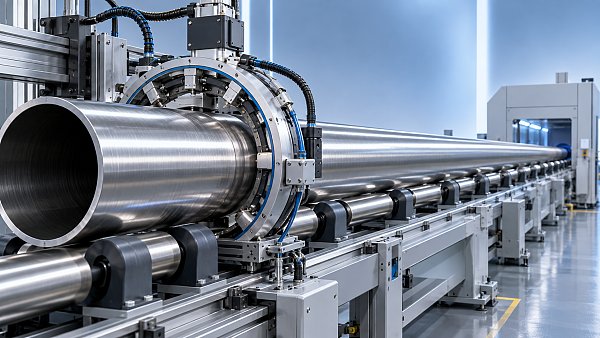
 How seamless steel pipes are checked for wall-thickness consistencySeamlesssteelpipes wall-thickness checks explained: learn how ultrasonic scanning, calibration, and tolerance control ensure reliable, pressure-ready pipe quality.
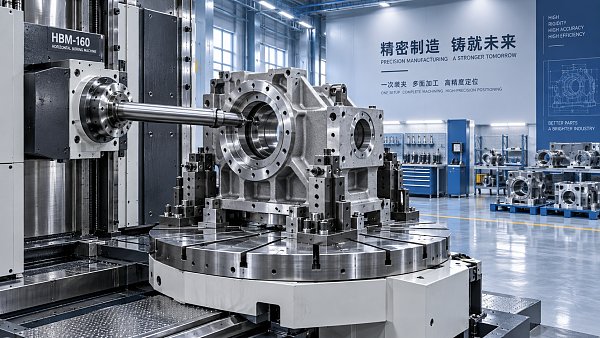
 When a horizontal boring machine for metalworking improves large-part setupHorizontal boring machine for metalworking: learn how stable datums, rotary indexing, and rigid fixturing improve large-part accuracy and setup efficiency.
 What the MTTF standard for CNC means for machine reliabilityMTTF standard for CNC explained: learn how failure definitions, duty cycles, MTTR, and real-world data shape machine reliability and uptime.
 When does company formation offshore reduce cross-border tax risk?Companyformationoffshore can reduce cross-border tax risk when substance, governance, transfer pricing, and supply-chain roles align. Learn the key tests.
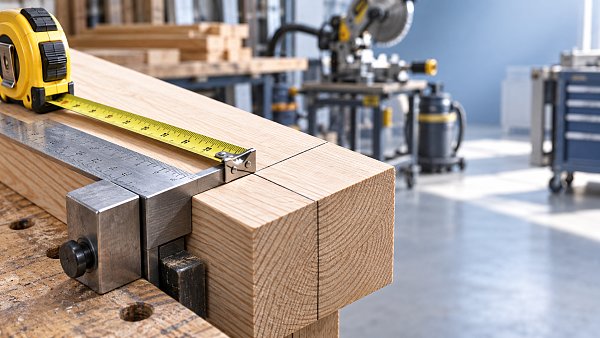
 How to read a measuring tape accurately for repeatable cutsMeasuringtape guide for accurate, repeatable cuts: master markings, hook movement, reference edges, kerf control, and stop-block setup.
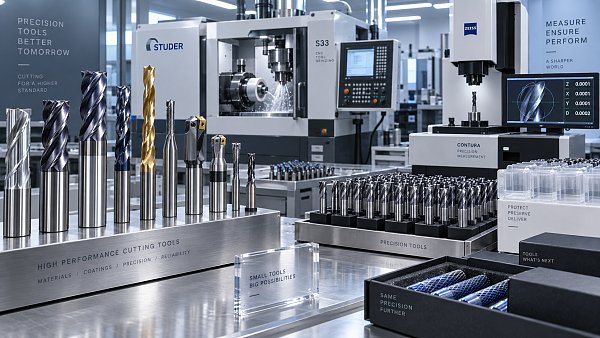
 How to assess a CNC cutting tools manufacturer before orderingAssess a CNC cutting tools manufacturer with confidence: compare quality control, application support, trial results, supply reliability, and total machining cost before ordering.
 How often should scaffolding be inspected on active job sites?Scaffolding inspection guidance for active job sites: learn when to inspect, key safety triggers, compliance intervals, and practical controls to prevent incidents.
 What to verify when sourcing precision machining tools in EuropePrecision machining tools Europe sourcing guide: verify accuracy, ISO compliance, traceability, service coverage, and delivery resilience to reduce risk and lifecycle costs.
 When electronics require precision manufacturing at micron tolerancesPrecision manufacturing solutions for electronics deliver micron-level control, reliable inspection, and scalable quality for critical housings, thermal parts, and complex assemblies.
 When do cabletrays need corrosion protection in industrial facilities?Cabletrays need corrosion protection when exposed to moisture, chemicals, salt, washdown, or condensation. Learn how to select durable materials and protect critical industrial routes.
 What suppliers must prove for manufacturing standards compliance in Southeast AsiaManufacturing standards compliance Southeast Asia: learn what suppliers must prove, from traceable materials and calibrated tools to controlled processes, safety, and shipment records.
 What to verify in a fluid control manufacturer's quality systemFluid control manufacturer quality checks: verify traceability, testing, calibration, document control, and corrective actions to reduce risk.
 When do smart device manufacturing solutions reduce assembly errors?Smart device manufacturing solutions reduce assembly errors with closed-loop controls, vision inspection, torque verification, and traceable process data. Learn what drives reliable production.
 Import trends reshaping precision tooling supply in 2026Import trends in 2026 are reshaping precision tooling supply. Discover how to reduce landed risk, strengthen sourcing resilience, and protect production performance.
 Choosing carbide end mills for stainless steel without edge chippingCarbide end mills for stainless steel: learn how to prevent edge chipping with the right substrate, geometry, coating, coolant, and stable milling parameters.
 What contract manufacturing support should cover before sourcingIndustrial procurement support for contract manufacturing: learn what to verify before sourcing, from DFM and traceability to quality, capacity, cost control, and compliance.
 When integrated precision manufacturing solutions reduce launch delaysIntegrated precision manufacturing solutions help industrial teams prevent launch delays by aligning design, sourcing, machining, sealing, testing, and supply-chain readiness.








Search News
Popular Tags