
Automatic Tool Changer OEM Options That Reduce Downtime
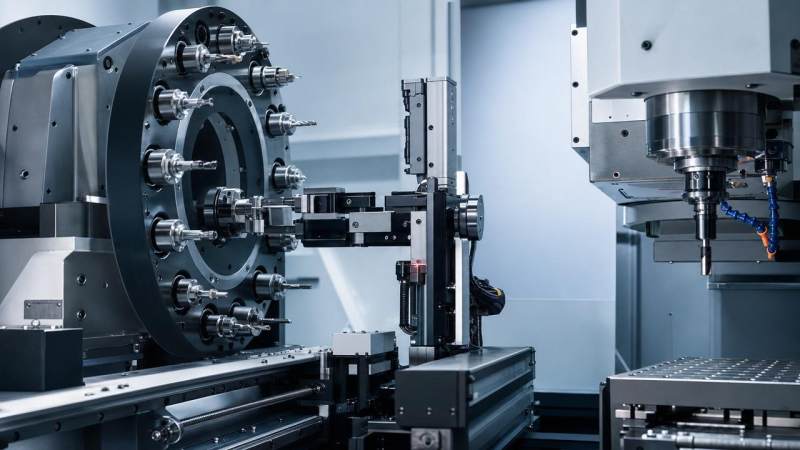
For distributors, agents, and sourcing partners, choosing the right automatic tool changer OEM can directly impact machine uptime, service efficiency, and customer retention. This article explores OEM options that reduce downtime through reliable engineering, faster tool exchange, easier integration, and consistent aftermarket support—helping channel partners deliver stronger value in competitive industrial markets.
Downtime pressure is reshaping how automatic tool changer OEM options are evaluated
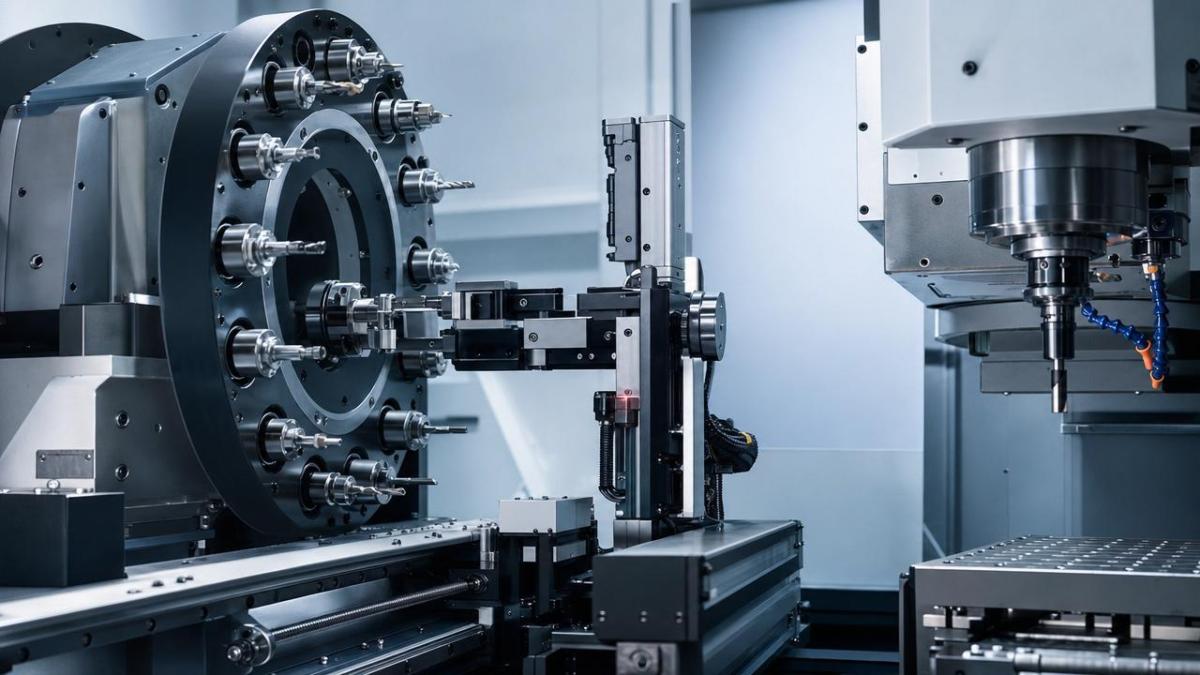
Across industrial sectors, uptime has become a board-level metric rather than a maintenance detail. Tool change reliability now affects throughput, delivery performance, and equipment utilization.
This shift is changing how an automatic tool changer OEM is judged. Buyers increasingly compare lifecycle stability, field service access, and integration readiness, not only tool count.
In mixed-industry environments, machines often handle smaller batches, tighter tolerances, and more frequent job changes. That makes automatic tool changer OEM performance a direct contributor to production resilience.
A stalled ATC system can stop an entire machining cell. Even short interruptions may trigger queue buildup, rework risk, and missed shipment windows.
Several market signals show a clear shift toward lower-risk ATC sourcing
The strongest signal is the move from one-time machine specification to total uptime planning. End users now expect ATC assemblies to support predictive maintenance and rapid replacement.
Another signal is the rise of modular machine platforms. A flexible automatic tool changer OEM must support different spindle interfaces, magazine layouts, and machine control architectures.
Aftermarket consistency is also gaining weight. Spare parts availability, standardized documentation, and response time increasingly shape channel confidence.
In sectors such as automotive, aerospace support, energy equipment, and general precision engineering, faster job turnover is pushing tool change systems to work harder with fewer interruptions.
What is driving this change
The best automatic tool changer OEM choices are defined by downtime behavior, not brochure speed
Fast tool-to-tool time looks attractive, but downtime reduction depends on repeatability under real production stress. Reliability under contamination, vibration, and frequent indexing matters more.
A strong automatic tool changer OEM usually demonstrates stable gripper action, accurate tool positioning, robust spindle orientation logic, and consistent magazine indexing.
Engineering details often decide uptime outcomes. Cam design, bearing quality, lubrication access, sensor placement, and tool pocket durability all influence service intervals.
OEM features that reduce stoppages
- Positive tool retention that remains stable at high cycle counts.
- Protected sensors that resist coolant, chips, and oil contamination.
- Simple access for arm replacement, pocket adjustment, and switch inspection.
- Commonized parts across multiple ATC models for faster field support.
- Clear alarm logic that shortens troubleshooting time.
- Balanced motion profiles that lower shock loads during exchange.
Integration readiness is becoming a bigger differentiator in automatic tool changer OEM partnerships
Many downtime events come from integration gaps rather than core hardware failure. Mechanical fit, PLC mapping, spindle interface matching, and guarding logic must align from the start.
An automatic tool changer OEM with mature integration support reduces commissioning delays. That includes interface drawings, control sequences, signal lists, and startup guidance.
Retrofit projects require even more discipline. Legacy machines often have control limitations, variable mounting space, or inconsistent pneumatic behavior.
In these cases, the most valuable OEM is not always the most complex. It is the one that matches the machine environment with the least operational disruption.
Where integration quality affects uptime most
- Spindle orientation accuracy during pickup and placement.
- Tool taper compatibility and retention knob consistency.
- Magazine indexing confirmation and tool pocket sensing.
- Pneumatic or servo response stability under continuous cycles.
- Recovery logic after interrupted tool change events.
Aftermarket depth now has direct commercial value across channel operations
The aftermarket is no longer a secondary issue. For any automatic tool changer OEM, spare parts structure and service responsiveness strongly affect customer trust.
When replacement arms, grippers, sensors, and pocket components are difficult to source, downtime expands from hours into days. That quickly weakens downstream relationships.
A capable OEM should provide service manuals, exploded views, wiring references, maintenance intervals, and recommended stock lists. These tools shorten repair cycles and reduce diagnosis errors.
The strongest automatic tool changer OEM partners also support training. Even basic guidance on alignment checks and wear inspection can prevent repeat service calls.
Business areas most affected by OEM quality
Key points to watch when comparing automatic tool changer OEM options
- Cycle-life validation data under realistic contamination and load conditions.
- Compatibility with BT, CAT, HSK, or other target spindle systems.
- Standardization of wear parts across machine families.
- Availability of regional technical support and spare stock.
- Ease of alarm interpretation and recovery sequence design.
- Documentation quality for installation, setup, and maintenance.
- Retrofit suitability where machine space or controls are constrained.
A practical response is to score OEMs against downtime exposure, not just purchase price
Shortlisting should focus on failure impact, service lead time, and integration effort. This approach reveals total risk more clearly than component pricing alone.
For organizations tracking industrial equipment trends through G-PME, the lesson is consistent. The right automatic tool changer OEM is a reliability decision with measurable operational consequences.
The next step is to compare OEM candidates using a downtime-focused matrix. Include cycle stability, integration burden, spare access, and recovery speed in every review.
That method supports stronger machine performance, more dependable service outcomes, and better long-term value across modern manufacturing channels.
Recommended News
 When does manufacturing competitiveness consulting pay off for a plant?Manufacturing competitiveness consulting pays off when plants face costly constraints, capital decisions, quality risks, or supply disruptions. Learn how to build a measurable ROI case.
 How to order acoustic ceiling tiles in bulk without overbuyingAcoustic ceiling tiles bulk buying made simple: calculate accurate quantities, control waste, secure spare stock, and plan phased deliveries to avoid costly overordering.
 Which laboratory microscopes fit routine quality inspection work?Laboratory microscopes for routine quality inspection: compare stereo, digital, compound, and measuring options to improve defect detection, documentation, and throughput.
 Can AI for multi axis machining reduce errors in complex toolpaths?AI for multi axis machining helps reduce complex toolpath errors through smarter collision detection, kinematic analysis, post validation, and machine-data insights. Learn how to improve precision.
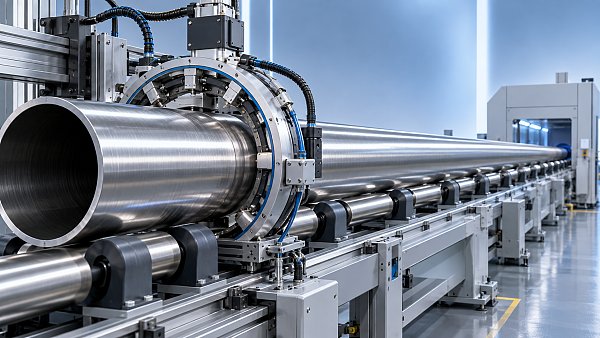
 How seamless steel pipes are checked for wall-thickness consistencySeamlesssteelpipes wall-thickness checks explained: learn how ultrasonic scanning, calibration, and tolerance control ensure reliable, pressure-ready pipe quality.
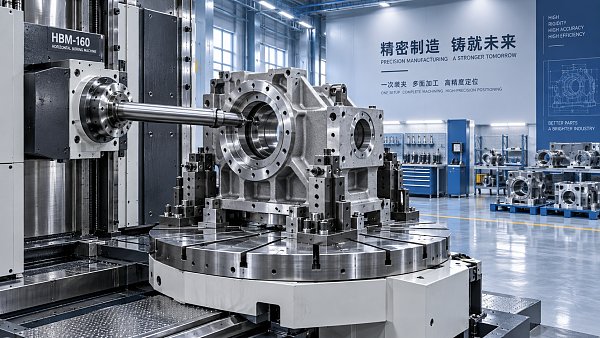
 When a horizontal boring machine for metalworking improves large-part setupHorizontal boring machine for metalworking: learn how stable datums, rotary indexing, and rigid fixturing improve large-part accuracy and setup efficiency.
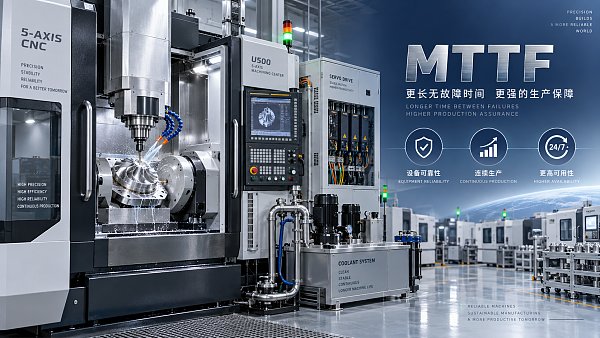
 What the MTTF standard for CNC means for machine reliabilityMTTF standard for CNC explained: learn how failure definitions, duty cycles, MTTR, and real-world data shape machine reliability and uptime.
 When does company formation offshore reduce cross-border tax risk?Companyformationoffshore can reduce cross-border tax risk when substance, governance, transfer pricing, and supply-chain roles align. Learn the key tests.
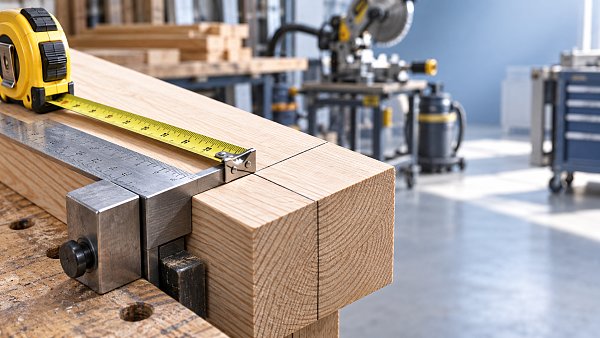
 How to read a measuring tape accurately for repeatable cutsMeasuringtape guide for accurate, repeatable cuts: master markings, hook movement, reference edges, kerf control, and stop-block setup.
 How to assess a CNC cutting tools manufacturer before orderingAssess a CNC cutting tools manufacturer with confidence: compare quality control, application support, trial results, supply reliability, and total machining cost before ordering.
 How often should scaffolding be inspected on active job sites?Scaffolding inspection guidance for active job sites: learn when to inspect, key safety triggers, compliance intervals, and practical controls to prevent incidents.
 What to verify when sourcing precision machining tools in EuropePrecision machining tools Europe sourcing guide: verify accuracy, ISO compliance, traceability, service coverage, and delivery resilience to reduce risk and lifecycle costs.
 When electronics require precision manufacturing at micron tolerancesPrecision manufacturing solutions for electronics deliver micron-level control, reliable inspection, and scalable quality for critical housings, thermal parts, and complex assemblies.
 When do cabletrays need corrosion protection in industrial facilities?Cabletrays need corrosion protection when exposed to moisture, chemicals, salt, washdown, or condensation. Learn how to select durable materials and protect critical industrial routes.
 What suppliers must prove for manufacturing standards compliance in Southeast AsiaManufacturing standards compliance Southeast Asia: learn what suppliers must prove, from traceable materials and calibrated tools to controlled processes, safety, and shipment records.
 What to verify in a fluid control manufacturer's quality systemFluid control manufacturer quality checks: verify traceability, testing, calibration, document control, and corrective actions to reduce risk.
 When do smart device manufacturing solutions reduce assembly errors?Smart device manufacturing solutions reduce assembly errors with closed-loop controls, vision inspection, torque verification, and traceable process data. Learn what drives reliable production.
 Import trends reshaping precision tooling supply in 2026Import trends in 2026 are reshaping precision tooling supply. Discover how to reduce landed risk, strengthen sourcing resilience, and protect production performance.
 Choosing carbide end mills for stainless steel without edge chippingCarbide end mills for stainless steel: learn how to prevent edge chipping with the right substrate, geometry, coating, coolant, and stable milling parameters.
 What contract manufacturing support should cover before sourcingIndustrial procurement support for contract manufacturing: learn what to verify before sourcing, from DFM and traceability to quality, capacity, cost control, and compliance.
 When integrated precision manufacturing solutions reduce launch delaysIntegrated precision manufacturing solutions help industrial teams prevent launch delays by aligning design, sourcing, machining, sealing, testing, and supply-chain readiness.






Search News
Popular Tags