
Automatic tool changer OEM options that affect uptime most
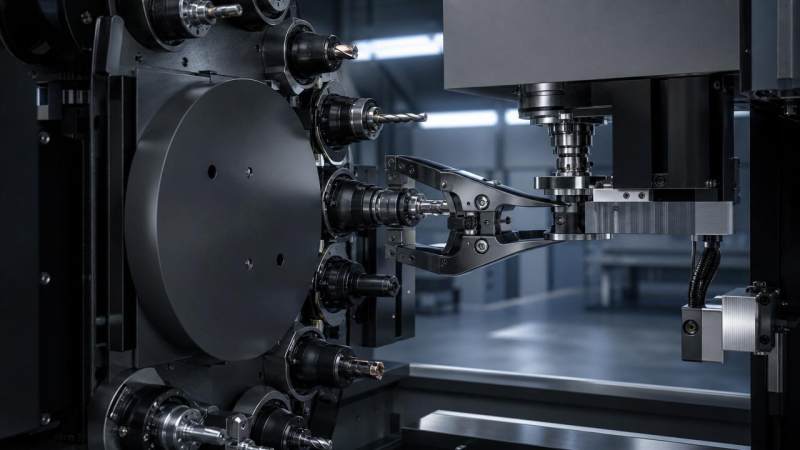
For operators, the right automatic tool changer OEM choice can determine whether a line runs smoothly or stops unexpectedly. Uptime depends on more than tool change speed.
Critical factors include changer structure, tool-position repeatability, sensor stability, recovery logic, lubrication, and service access. In complex machining environments, weak OEM options create hidden downtime risks.
This guide explains which automatic tool changer OEM options affect uptime most, how to compare them, and what details deserve closer review before installation or retrofit.
What does an automatic tool changer OEM actually control?
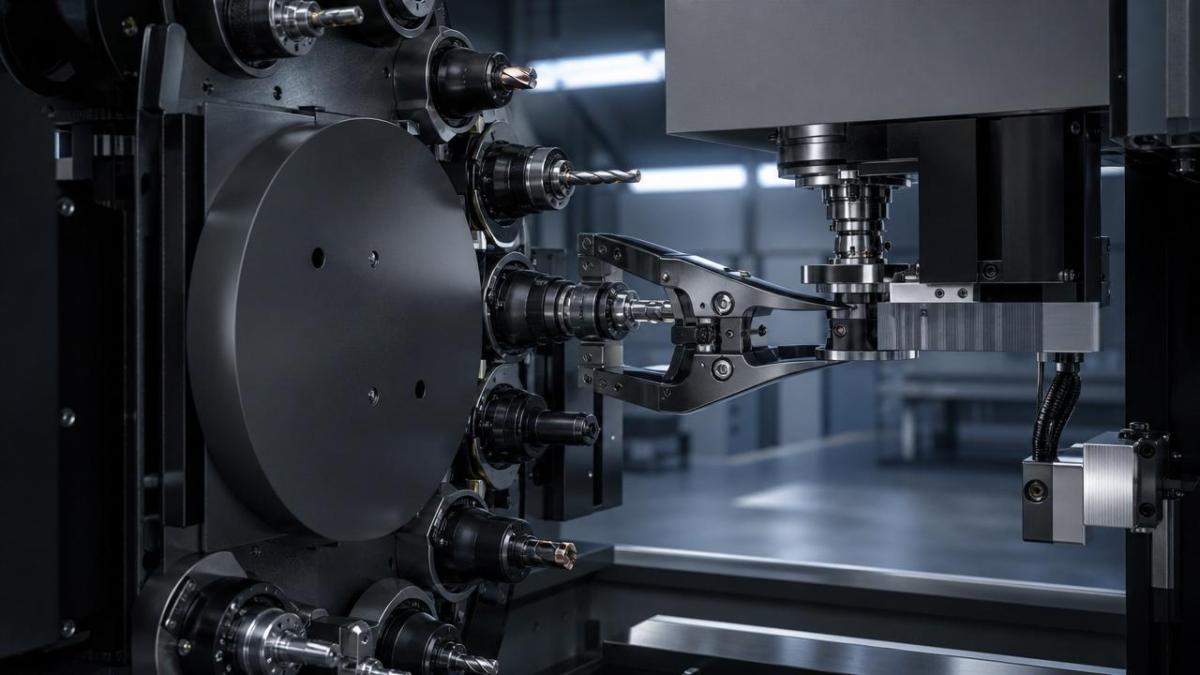
An automatic tool changer OEM does not only supply the magazine or arm. It often defines the mechanical layout, interface logic, sensors, safety interlocks, and maintenance architecture.
That means OEM configuration choices influence every stage of the tool change cycle. A strong design prevents mis-picks, missed pocket confirmation, and spindle-tool mismatch.
In integrated machining systems, the automatic tool changer OEM also affects communication with CNC controls, spindle orientation, servo timing, and alarm recovery behavior.
These factors matter across industries. Aerospace, automotive, energy, die and mold, and general engineering all rely on consistent tool exchanges to protect cycle time and dimensional integrity.
Core OEM-controlled elements include:
- Magazine type and pocket construction
- Tool arm mechanism and gripper retention
- Sensor package and confirmation logic
- Lubrication method and contamination protection
- Access points for inspection and repair
- Software recovery after interruption or collision
When reviewing automatic tool changer OEM options, uptime should be the first evaluation metric, not just maximum tool count or published change time.
Which mechanical options have the biggest impact on uptime?
Mechanical design is often the largest uptime driver because wear, vibration, chips, and coolant attack moving parts every shift. Weak mechanical choices quickly become recurring stoppages.
1. Magazine style
Drum, chain, and carousel magazines behave differently under heavy tool loads. A chain layout may support larger capacity, but pocket stability must remain high at full indexing speed.
For mixed production, pocket spacing and retention matter more than raw capacity. Poor pocket fit can create tool tilt, sensor errors, or difficult loading after contamination builds.
2. Double-arm versus pick-up design
A double-arm changer can reduce cycle time, but it introduces more synchronized motions. If the OEM execution is weak, timing issues may increase alarm frequency.
Pick-up systems are sometimes slower, yet simpler. In dirty or high-mix environments, simpler kinematics may improve uptime if tool weight and spindle orientation remain manageable.
3. Gripper and retention design
Grippers should resist wear and maintain stable clamping force across thousands of cycles. Inadequate retention causes dropped tools, partial seating, or positional errors during transfer.
The best automatic tool changer OEM designs specify durable contact materials, predictable spring behavior, and clear replacement intervals for wear components.
4. Chip and coolant shielding
Many downtime events begin with contamination. Protective covers, pocket drains, sealing details, and purge air options often do more for uptime than a faster index specification.
This is especially important in cast iron, graphite, aluminum, and wet machining applications where chips easily enter moving assemblies.
How important are sensors, confirmation logic, and software recovery?
They are essential. A mechanically strong changer still loses uptime if it cannot verify position, detect faults early, or recover cleanly after a brief interruption.
A capable automatic tool changer OEM should provide reliable sensing at key points. Typical points include arm home position, pocket confirmation, spindle orientation, and tool present detection.
Why sensor quality matters
Low-grade sensors can drift under heat, vibration, and coolant exposure. That creates nuisance alarms first, then missed tool changes or machine lockouts.
Protected cable routing also matters. Many failures come from damaged wiring near moving joints rather than from the sensor body itself.
What recovery logic should include
- Safe restart after power loss during tool exchange
- Clear alarm codes with probable failure causes
- Manual recovery sequence without deep disassembly
- Position recheck before spindle restart
- Event logging for recurring fault diagnosis
The strongest automatic tool changer OEM packages combine hardware confirmation with practical software logic. That reduces both the number of stoppages and the duration of each event.
How should uptime-focused buyers compare automatic tool changer OEM options?
Published speed figures are useful, but they are incomplete. Comparison should focus on lifecycle reliability, environmental suitability, and serviceability under real production conditions.
Use this evaluation table during comparison
A practical automatic tool changer OEM review should also include mean cycles before service, spare parts lead time, and compatibility with local maintenance capability.
What common mistakes reduce uptime after installation?
Downtime is not always caused by poor equipment. It often comes from a mismatch between OEM configuration and real operating conditions.
Frequent mistakes include:
- Choosing capacity first and ignoring contamination control
- Loading tools beyond rated mass or length limits
- Skipping preventive inspection of grippers and pockets
- Using incompatible pull studs or inconsistent tool holders
- Overlooking cable protection near moving axes
- Assuming alarm recovery is intuitive without training
Another common issue is poor tooling discipline. Even the best automatic tool changer OEM design cannot protect uptime if holders are damaged, dirty, or dimensionally inconsistent.
Lubrication neglect is equally costly. Dry or contaminated moving parts raise torque demand, slow indexing, and accelerate wear long before a visible breakdown occurs.
What should be included in an uptime-first OEM decision checklist?
An uptime-first checklist translates technical claims into verification points. It helps compare automatic tool changer OEM proposals using measurable reliability criteria.
Recommended checklist
- Confirm tool weight, gauge length, and holder standard ranges.
- Review contamination protection for chips, mist, and coolant.
- Check sensor redundancy and cable routing protection.
- Request manual recovery steps and alarm code examples.
- Inspect service access for grippers, pockets, and lubrication points.
- Ask for wear-part intervals and spare part availability.
- Compare reliability under high-mix and unattended operation.
- Validate integration with CNC control and spindle orientation logic.
For broad industrial applications, the ideal automatic tool changer OEM is not always the fastest one. It is the option that maintains stable performance through changing loads and harsh shop conditions.
A disciplined review supports stronger machine availability, fewer emergency interventions, and more predictable production planning across precision engineering environments.
FAQ summary: which automatic tool changer OEM options matter most?
When uptime is the target, compare automatic tool changer OEM options through reliability, protection, and serviceability. That approach produces better long-term value than speed alone.
For any evaluation or retrofit discussion, start with real cutting conditions, tooling variation, and recovery expectations. Those details reveal which OEM options will protect availability most effectively.
Recommended News
 Can AI for multi axis machining reduce errors in complex toolpaths?AI for multi axis machining helps reduce complex toolpath errors through smarter collision detection, kinematic analysis, post validation, and machine-data insights. Learn how to improve precision.
 How seamless steel pipes are checked for wall-thickness consistencySeamlesssteelpipes wall-thickness checks explained: learn how ultrasonic scanning, calibration, and tolerance control ensure reliable, pressure-ready pipe quality.
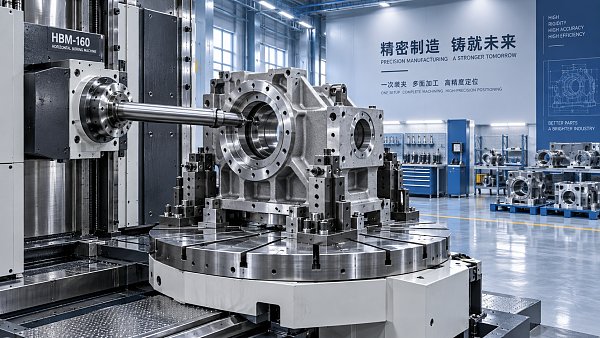
 When a horizontal boring machine for metalworking improves large-part setupHorizontal boring machine for metalworking: learn how stable datums, rotary indexing, and rigid fixturing improve large-part accuracy and setup efficiency.
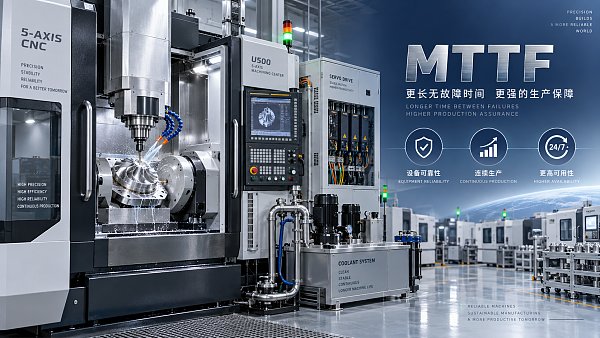
 What the MTTF standard for CNC means for machine reliabilityMTTF standard for CNC explained: learn how failure definitions, duty cycles, MTTR, and real-world data shape machine reliability and uptime.
 When does company formation offshore reduce cross-border tax risk?Companyformationoffshore can reduce cross-border tax risk when substance, governance, transfer pricing, and supply-chain roles align. Learn the key tests.
 How to read a measuring tape accurately for repeatable cutsMeasuringtape guide for accurate, repeatable cuts: master markings, hook movement, reference edges, kerf control, and stop-block setup.
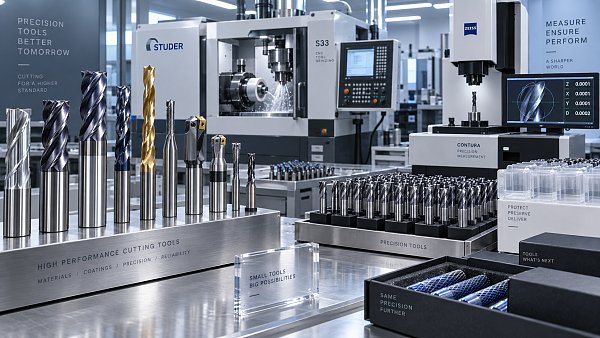
 How to assess a CNC cutting tools manufacturer before orderingAssess a CNC cutting tools manufacturer with confidence: compare quality control, application support, trial results, supply reliability, and total machining cost before ordering.
 How often should scaffolding be inspected on active job sites?Scaffolding inspection guidance for active job sites: learn when to inspect, key safety triggers, compliance intervals, and practical controls to prevent incidents.
 What to verify when sourcing precision machining tools in EuropePrecision machining tools Europe sourcing guide: verify accuracy, ISO compliance, traceability, service coverage, and delivery resilience to reduce risk and lifecycle costs.
 When electronics require precision manufacturing at micron tolerancesPrecision manufacturing solutions for electronics deliver micron-level control, reliable inspection, and scalable quality for critical housings, thermal parts, and complex assemblies.
 When do cabletrays need corrosion protection in industrial facilities?Cabletrays need corrosion protection when exposed to moisture, chemicals, salt, washdown, or condensation. Learn how to select durable materials and protect critical industrial routes.
 What suppliers must prove for manufacturing standards compliance in Southeast AsiaManufacturing standards compliance Southeast Asia: learn what suppliers must prove, from traceable materials and calibrated tools to controlled processes, safety, and shipment records.
 What to verify in a fluid control manufacturer's quality systemFluid control manufacturer quality checks: verify traceability, testing, calibration, document control, and corrective actions to reduce risk.
 When do smart device manufacturing solutions reduce assembly errors?Smart device manufacturing solutions reduce assembly errors with closed-loop controls, vision inspection, torque verification, and traceable process data. Learn what drives reliable production.
 Import trends reshaping precision tooling supply in 2026Import trends in 2026 are reshaping precision tooling supply. Discover how to reduce landed risk, strengthen sourcing resilience, and protect production performance.
 Choosing carbide end mills for stainless steel without edge chippingCarbide end mills for stainless steel: learn how to prevent edge chipping with the right substrate, geometry, coating, coolant, and stable milling parameters.
 What contract manufacturing support should cover before sourcingIndustrial procurement support for contract manufacturing: learn what to verify before sourcing, from DFM and traceability to quality, capacity, cost control, and compliance.
 When integrated precision manufacturing solutions reduce launch delaysIntegrated precision manufacturing solutions help industrial teams prevent launch delays by aligning design, sourcing, machining, sealing, testing, and supply-chain readiness.
 How tooling cost calculation changes with EDM electrode complexityTooling cost calculation for EDM electrodes: learn how geometry, electrode count, tolerances, wear, and inspection drive accurate mold cost estimates.
 Tooling cost meaning in precision casting project quotationsTooling cost meaning explained for precision casting quotations: compare scope, quality risks, lifecycle costs, and supplier assumptions to make smarter sourcing decisions.
 What is tooling cost in manufacturing for a low-volume CNC part?What is tooling cost in manufacturing? Learn how setup, fixtures, programming, and inspection affect low-volume CNC pricing—and control costs without risking quality.





Search News
Popular Tags