
CNC lathe manufacturer quotes that hide lifetime costs
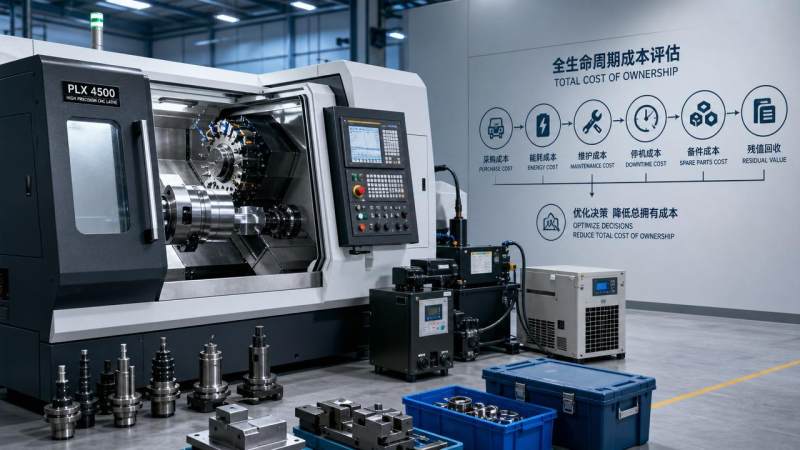
A low headline price from a cnc lathe manufacturer can look procurement-friendly, but finance teams know the real risk lies in hidden lifetime costs. From tooling loss and downtime to maintenance, energy use, scrap rates, and delayed ROI, the true total cost often emerges after purchase. This article helps financial approvers evaluate quotes beyond unit price and make decisions that protect margins, uptime, and long-term capital efficiency.
Why finance teams should question every cnc lathe manufacturer quote
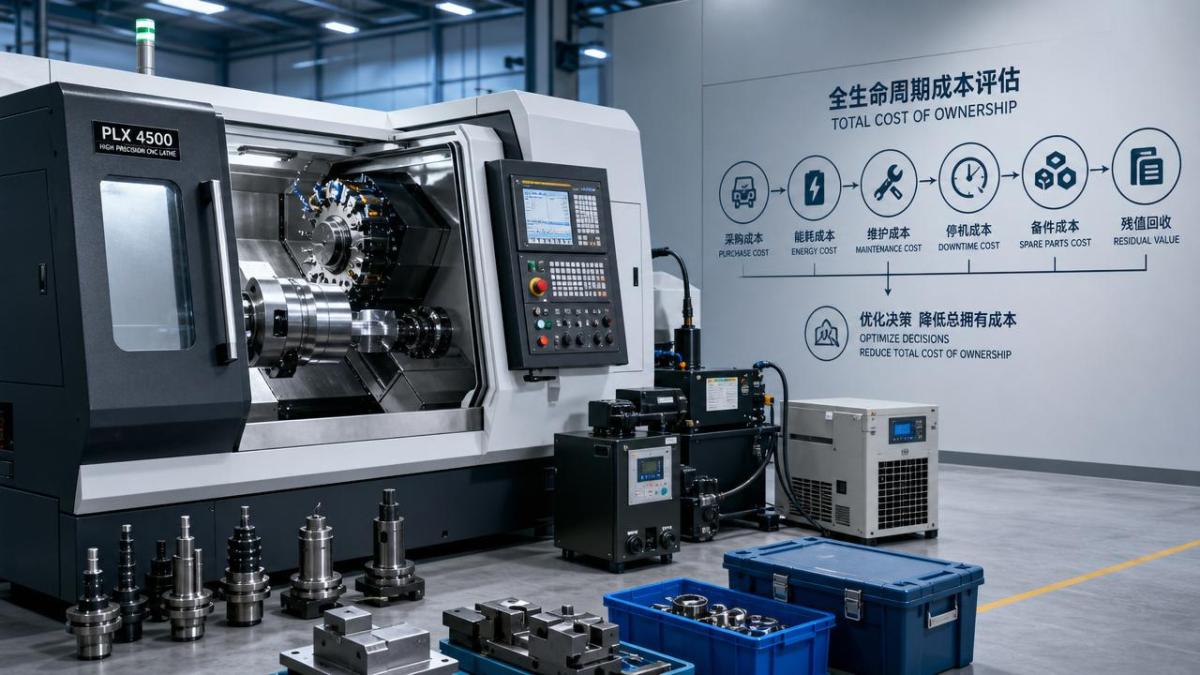
For a financial approver, the quoted machine price is only the entry point. The real exposure sits in total cost of ownership, cash-flow timing, production interruption, and the cost of underperformance across the asset life cycle.
A cnc lathe manufacturer may present an attractive initial number while excluding critical items such as installation, training, spare parts, coolant management, software licensing, commissioning support, or post-warranty service response.
In mixed-industry production environments, even small deviations in spindle stability, repeatability, or chip evacuation can raise scrap rates and consume working capital faster than the original purchase discount can justify.
What hidden costs usually appear after approval?
- Unplanned downtime caused by weak service infrastructure, limited parts availability, or long remote diagnosis cycles.
- Higher tooling spend due to machine rigidity limits, vibration, poor thermal control, or unstable feed performance.
- Extra labor cost from operator retraining, repeated setup corrections, and longer changeover time between part families.
- Utility cost growth tied to energy consumption, air demand, coolant systems, and inefficient standby operation.
- Quality losses from tolerance drift, surface finish inconsistency, and poor compatibility with inspection protocols.
This is where a technical intelligence platform such as G-PME adds value. By connecting machining performance with standards, supply-chain analysis, and industrial operating realities, finance teams gain a clearer basis for approval than quote comparison alone.
Which quote lines from a cnc lathe manufacturer deserve extra scrutiny?
Financial reviewers should translate every commercial line item into downstream operating impact. The table below highlights where a cnc lathe manufacturer quote often appears complete but still leaves major lifetime cost variables unresolved.
For finance teams, these omissions are not technical footnotes. They directly affect depreciation efficiency, budget control, and the credibility of the business case submitted for machine acquisition.
Questions worth asking before release of funds
- What production assumptions were used to justify the quoted configuration and cycle time?
- Which consumables and accessories are mandatory for operation but excluded from the price?
- What is the estimated annual maintenance budget under normal industrial duty?
- How long is mean service response time in the buyer’s region?
- What spare parts are locally stocked and what lead times apply to critical components?
How to compare low-price and value-based cnc lathe manufacturer offers
A cheaper quote can still be the more expensive capital decision. The right comparison model weighs asset utilization, cost stability, and production risk over three to seven years rather than only the purchase invoice.
The next table compares two common purchasing paths that financial approvers see: the lowest-entry quote and the more complete value-based offer from a cnc lathe manufacturer.
This comparison matters in general industry because machine utilization often supports multiple product lines. When one asset serves shafts, bushings, fittings, and repair parts, downtime can affect several revenue streams at once.
What value-based review should include
- Planned output assumptions by shift, material type, and tolerance band.
- Expected scrap rate at launch versus stabilized production.
- Tooling replacement frequency under real cutting conditions.
- Maintenance intervals and expected spare parts consumption.
- Cost of delayed acceptance if installation or programming support is weak.
Which technical factors most often drive hidden lifetime cost?
Finance teams do not need to become machine designers, but they should understand which technical features have a direct cost signature. Hidden cost usually follows poor stability, poor maintainability, or poor integration with the production environment.
Key technical cost drivers
- Spindle and turret rigidity: Lower rigidity increases vibration, accelerates insert wear, and can force slower feeds, reducing throughput.
- Thermal stability: Temperature drift affects dimensional consistency, especially in longer production runs and tighter tolerance applications.
- Control system usability: Complicated interfaces or poor programming support extend setup time and raise labor dependency.
- Chip and coolant management: Weak evacuation can trigger surface defects, stoppages, and manual intervention costs.
- Maintenance accessibility: If routine service requires long stoppages or specialized technicians, annual operating cost rises.
G-PME’s cross-sector perspective is useful here because machining cost rarely exists alone. Lubricants, sealing reliability, pump performance, and die or mold tolerances all influence what a lathe must deliver in practical factory conditions.
When technical review is benchmarked against common standards such as ISO, DIN, ASME, or JIS references, finance gains a more defensible framework for approving or rejecting a cnc lathe manufacturer offer.
A procurement guide for financial approvers: what to verify before signing
A disciplined review process reduces the chance that a low-price cnc lathe manufacturer quote will later require emergency spending. Finance should ask procurement and engineering to validate the points below before final approval.
Pre-approval checklist
- Confirm the exact production scope: part dimensions, materials, tolerance class, shift pattern, and annual volume.
- Request a full inclusions list covering machine, control, tooling interfaces, safety systems, coolant setup, and measurement support.
- Review utility requirements, foundation needs, and environmental conditions that may trigger site modification cost.
- Check commissioning milestones, acceptance criteria, and who owns the cost if timeline slippage occurs.
- Evaluate service model, local support access, spare parts lead time, and escalation process for critical breakdowns.
The following table helps finance teams convert technical and commercial details into a practical approval matrix for any cnc lathe manufacturer under consideration.
This kind of matrix is especially useful when several departments influence the project. Finance can stay disciplined without slowing the decision, because each approval point is tied to measurable business risk.
Common mistakes when judging a cnc lathe manufacturer only by price
The most expensive procurement mistakes often start with an apparently simple assumption: if two machines look similar on paper, the lower price must be the stronger deal. In real production, that assumption frequently fails.
Frequent approval errors
- Treating quoted spindle power or travel range as proof of part-processing capability.
- Ignoring the cost of delayed ramp-up, especially when customer delivery schedules are fixed.
- Assuming all service contracts deliver similar uptime support.
- Underestimating the effect of raw material volatility on machining efficiency and tooling economics.
- Failing to align machine selection with inspection standards, reporting requirements, or traceability needs.
Because G-PME tracks raw material fluctuations, industrial tenders, and supply resilience across related sectors, decision-makers can assess whether a quote remains economically sound under changing operating conditions rather than only under ideal assumptions.
FAQ: what financial approvers ask about cnc lathe manufacturer quotations
How can finance estimate lifetime cost without deep technical expertise?
Use a structured model that includes acquisition cost, installation, tooling, annual maintenance, power use, expected scrap, downtime risk, and service response assumptions. Ask engineering to validate each line rather than reviewing the base machine price alone.
What is the biggest red flag in a cnc lathe manufacturer quote?
A quote that looks inexpensive but lacks clear inclusions, acceptance criteria, and service terms is a major warning sign. Ambiguity often shifts cost from the supplier’s quote to the buyer’s operating budget after the order is placed.
Do standards and compliance matter to finance, or only to engineering?
They matter to finance because standards alignment supports predictable quality, customer acceptance, and lower rework risk. Where relevant, references to ISO, DIN, ASME, or JIS frameworks help anchor performance expectations in recognized industrial practice.
When is a higher quote justified?
A higher quote is often justified when it materially improves uptime, process stability, startup speed, or parts support. If those factors reduce lost production and protect margin over years of operation, the payback can be stronger than the lowest purchase price suggests.
Why choose us for quote evaluation and sourcing guidance
G-PME supports procurement directors, R&D leaders, EPC contractors, and financial approvers who need more than a sales brochure. Our value lies in linking machine quotes to technical standards, supply-chain realities, and long-term operational economics.
If you are reviewing a cnc lathe manufacturer proposal, we can help you assess configuration fit, likely operating cost drivers, delivery risks, and commercial gaps before capital is committed. That means stronger internal approvals and fewer surprises after installation.
What you can consult us about
- Parameter confirmation for part size, material, tolerance, and production volume.
- Selection guidance between low-entry and value-based cnc lathe manufacturer offers.
- Delivery schedule review, commissioning checkpoints, and startup risk mapping.
- Support for customized sourcing strategies, spare parts planning, and service expectations.
- Discussion of standards alignment, acceptance logic, and quote clarification points.
- Quote communication support to compare total cost, not only purchase price.
When the cost of downtime, quality loss, and delayed ROI is higher than the visible discount, financial discipline means asking better questions. Bring your current quote, operating assumptions, and target timeline, and we can help turn a risky purchase into a controlled investment decision.
Recommended News
 Can AI for multi axis machining reduce errors in complex toolpaths?AI for multi axis machining helps reduce complex toolpath errors through smarter collision detection, kinematic analysis, post validation, and machine-data insights. Learn how to improve precision.
 How seamless steel pipes are checked for wall-thickness consistencySeamlesssteelpipes wall-thickness checks explained: learn how ultrasonic scanning, calibration, and tolerance control ensure reliable, pressure-ready pipe quality.
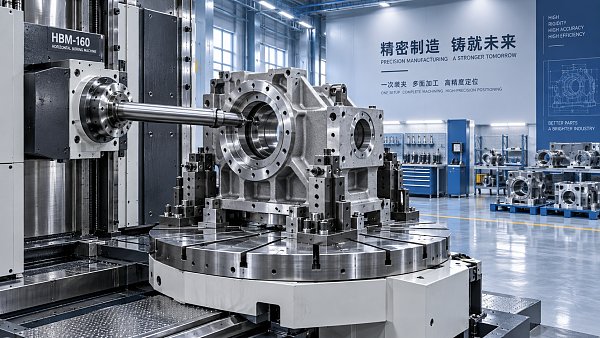
 When a horizontal boring machine for metalworking improves large-part setupHorizontal boring machine for metalworking: learn how stable datums, rotary indexing, and rigid fixturing improve large-part accuracy and setup efficiency.
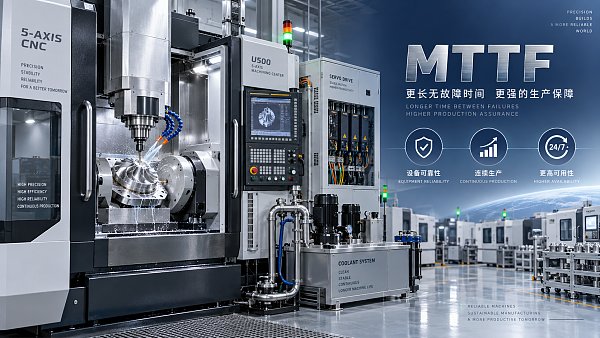
 What the MTTF standard for CNC means for machine reliabilityMTTF standard for CNC explained: learn how failure definitions, duty cycles, MTTR, and real-world data shape machine reliability and uptime.
 When does company formation offshore reduce cross-border tax risk?Companyformationoffshore can reduce cross-border tax risk when substance, governance, transfer pricing, and supply-chain roles align. Learn the key tests.
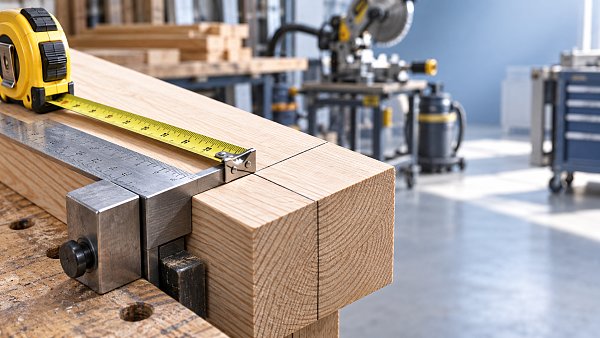
 How to read a measuring tape accurately for repeatable cutsMeasuringtape guide for accurate, repeatable cuts: master markings, hook movement, reference edges, kerf control, and stop-block setup.
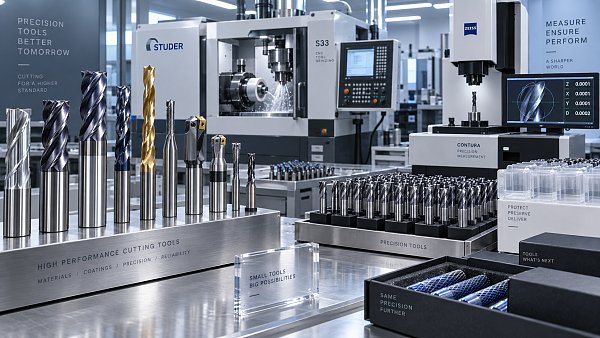
 How to assess a CNC cutting tools manufacturer before orderingAssess a CNC cutting tools manufacturer with confidence: compare quality control, application support, trial results, supply reliability, and total machining cost before ordering.
 How often should scaffolding be inspected on active job sites?Scaffolding inspection guidance for active job sites: learn when to inspect, key safety triggers, compliance intervals, and practical controls to prevent incidents.
 What to verify when sourcing precision machining tools in EuropePrecision machining tools Europe sourcing guide: verify accuracy, ISO compliance, traceability, service coverage, and delivery resilience to reduce risk and lifecycle costs.
 When electronics require precision manufacturing at micron tolerancesPrecision manufacturing solutions for electronics deliver micron-level control, reliable inspection, and scalable quality for critical housings, thermal parts, and complex assemblies.
 When do cabletrays need corrosion protection in industrial facilities?Cabletrays need corrosion protection when exposed to moisture, chemicals, salt, washdown, or condensation. Learn how to select durable materials and protect critical industrial routes.
 What suppliers must prove for manufacturing standards compliance in Southeast AsiaManufacturing standards compliance Southeast Asia: learn what suppliers must prove, from traceable materials and calibrated tools to controlled processes, safety, and shipment records.
 What to verify in a fluid control manufacturer's quality systemFluid control manufacturer quality checks: verify traceability, testing, calibration, document control, and corrective actions to reduce risk.
 When do smart device manufacturing solutions reduce assembly errors?Smart device manufacturing solutions reduce assembly errors with closed-loop controls, vision inspection, torque verification, and traceable process data. Learn what drives reliable production.
 Import trends reshaping precision tooling supply in 2026Import trends in 2026 are reshaping precision tooling supply. Discover how to reduce landed risk, strengthen sourcing resilience, and protect production performance.
 Choosing carbide end mills for stainless steel without edge chippingCarbide end mills for stainless steel: learn how to prevent edge chipping with the right substrate, geometry, coating, coolant, and stable milling parameters.
 What contract manufacturing support should cover before sourcingIndustrial procurement support for contract manufacturing: learn what to verify before sourcing, from DFM and traceability to quality, capacity, cost control, and compliance.
 When integrated precision manufacturing solutions reduce launch delaysIntegrated precision manufacturing solutions help industrial teams prevent launch delays by aligning design, sourcing, machining, sealing, testing, and supply-chain readiness.
 How tooling cost calculation changes with EDM electrode complexityTooling cost calculation for EDM electrodes: learn how geometry, electrode count, tolerances, wear, and inspection drive accurate mold cost estimates.
 Tooling cost meaning in precision casting project quotationsTooling cost meaning explained for precision casting quotations: compare scope, quality risks, lifecycle costs, and supplier assumptions to make smarter sourcing decisions.
 What is tooling cost in manufacturing for a low-volume CNC part?What is tooling cost in manufacturing? Learn how setup, fixtures, programming, and inspection affect low-volume CNC pricing—and control costs without risking quality.






Search News
Popular Tags