
How CNC cutting tools wholesale affects tool life and cost
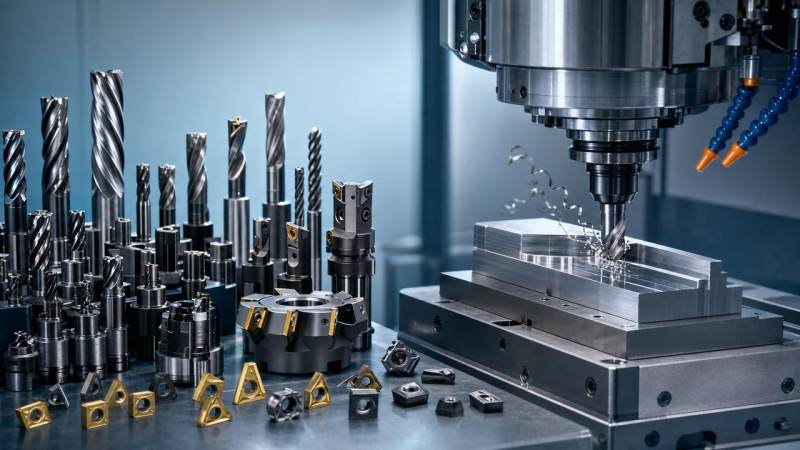
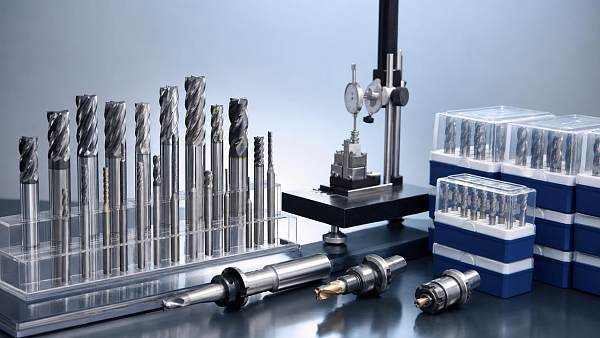
Choosing cnc cutting tools wholesale is not just about lowering purchase prices. For operators, the right wholesale source can directly affect tool life, cutting stability, machine downtime, and overall production cost. Understanding how bulk tool sourcing influences daily machining performance helps users make smarter decisions that improve efficiency, consistency, and long-term value.
Why wholesale tool sourcing matters more than the unit price
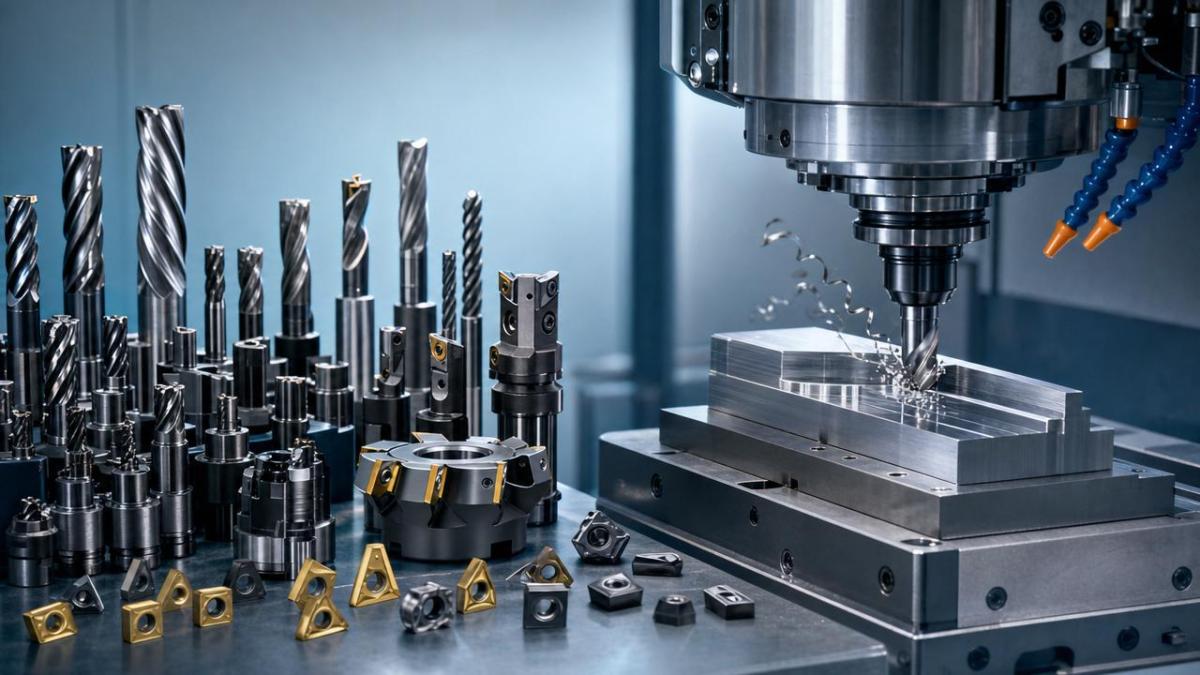
Most operators care about one practical question first: will wholesale tools help the machine run better or create more trouble on the shop floor?
The short answer is that wholesale buying can reduce cost, but only when tool quality, consistency, and application matching remain under control.
If a lower-priced insert wears faster, chips poorly, or causes unstable cutting, the savings disappear through scrap, stoppages, and extra tool changes.
For daily users, tool life is not an abstract purchasing metric. It affects spindle time, cycle stability, part quality, operator workload, and confidence during long runs.
That is why cnc cutting tools wholesale should be judged by performance per part, not by catalog price per tool alone.
What users really want to know before buying wholesale
Operators and process users usually do not ask whether a supplier offers bulk discounts first. They ask whether the tools will behave predictably.
In real machining, predictability means repeatable edge quality, stable dimensions, manageable heat, and wear patterns that match the planned production schedule.
When wholesale tools vary from batch to batch, operators lose the ability to set reliable offsets, estimate replacement timing, and protect part consistency.
That creates hidden costs far beyond procurement. One inconsistent batch can trigger rechecks, slower feeds, troubleshooting, and unnecessary machine idle time.
So the best wholesale choice is usually the supplier that supports consistent machining results, even if the per-piece purchase price is slightly higher.
How wholesale tool quality directly affects tool life
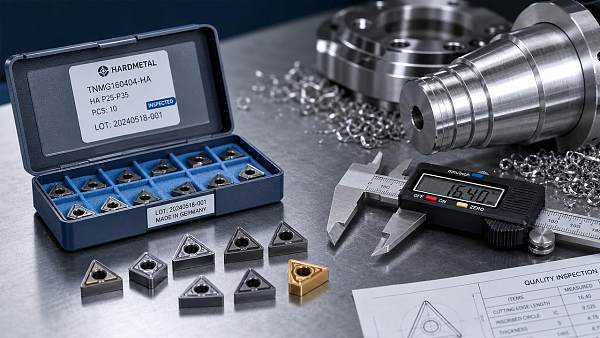
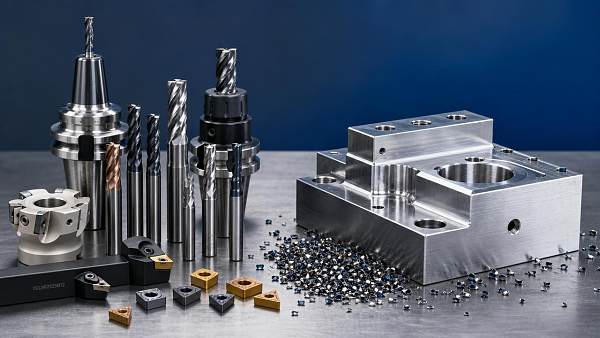
Tool life depends on coating quality, substrate control, edge preparation, dimensional precision, and fit between the tool and the actual cutting application.
In wholesale channels, these factors can improve or worsen depending on supplier capability, quality control discipline, and traceability of production batches.
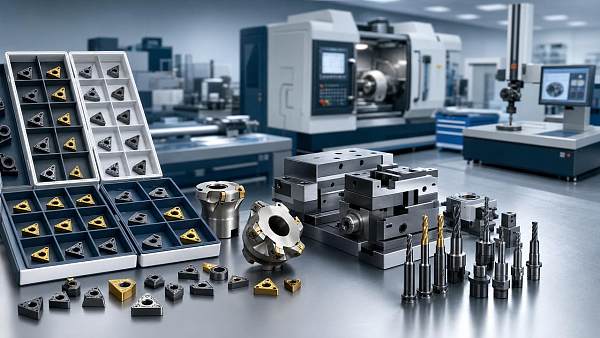
A reliable wholesale source often gives users more stable hardness, coating adhesion, and geometry control across large volumes of inserts, end mills, and drills.
That stability helps tools wear gradually instead of failing early through chipping, crater wear, built-up edge, or sudden fracture under load.
Gradual wear is important because operators can plan around it. Sudden failure is expensive because it risks workpiece damage, fixture collision, and rework.
For example, an end mill with uneven edge preparation may cut acceptably at first, then lose performance quickly once heat and vibration increase.
By contrast, a properly controlled wholesale batch often lets users maintain the same cutting data longer, which improves confidence during repeat production.
Why consistency across batches is often more valuable than the lowest cost
Many shops can work with an average-quality tool if its behavior is stable. What causes real disruption is inconsistency between one box and the next.
Batch variation changes wear rates, chip evacuation, cutting forces, and surface finish, even when the tool code appears identical on paper.
When that happens, operators must constantly adjust offsets or reduce speed to stay safe. This lowers output and makes standard process sheets less useful.
Consistent wholesale supply protects established machining parameters. It allows one proven setup to be used repeatedly with fewer unplanned interventions.
That matters especially in lights-out machining, long production runs, and jobs with difficult materials such as stainless steel, titanium, or hardened alloys.
In these applications, even small changes in geometry or coating performance can shorten tool life enough to disrupt the whole production rhythm.
How poor wholesale selection increases real production cost
Lower purchase prices can hide much larger operating losses. Users should understand where wholesale tool problems usually turn into measurable shop-floor costs.
The first cost is downtime. If tools fail unpredictably, operators stop machines more often for checks, insert changes, and troubleshooting.
The second cost is lower machine utilization. Shops often reduce cutting parameters to protect unstable tools, which increases cycle time on every part.
The third cost is quality risk. Inconsistent wear can push dimensions out of tolerance, damage surface finish, or cause burr problems that require secondary work.
The fourth cost is inventory confusion. If one wholesale source mixes different performance levels under similar codes, replacement planning becomes unreliable.
The fifth cost is operator fatigue. Frequent monitoring, extra adjustments, and uncertainty about tool behavior place more pressure on users during production.
These losses often exceed the original price difference between a low-grade bulk tool and a dependable wholesale tool from a controlled source.
What makes a wholesale cutting tool supplier reliable for operators
From an operator perspective, a good supplier is not just one that ships large quantities. It is one that protects stable machining conditions.
Start with traceability. A reliable supplier should be able to identify batch numbers, material grade, coating specification, and application recommendations.
Next is geometry control. Inserts, drills, and end mills should have tight dimensional consistency so they seat correctly and cut as expected.
Then look at technical support. Good wholesale partners can suggest speeds, feeds, coolant strategy, and toolpath adjustments for specific materials.
Packaging also matters more than many buyers assume. Poor packaging causes edge damage, mixed lots, and contamination before tools even reach the machine.
Finally, suppliers should show application honesty. A trustworthy source will not claim one tool grade is ideal for every material and every operation.
How to evaluate wholesale tools before committing to large-volume orders
Users should avoid switching an entire production program to a new wholesale source without controlled validation in actual machining conditions.
Begin with a small but meaningful trial on real parts, real machines, and real cycle times rather than relying only on catalog claims.
Track tool life by number of parts, actual minutes in cut, wear mode, dimensional drift, surface finish, and machine stoppage frequency.
It is also useful to compare operator intervention. A tool that needs fewer checks may be more valuable than one that lasts slightly longer in theory.
Record whether wear is predictable. Predictable flank wear is easier to manage than random edge chipping, even if average life looks similar.
If possible, test at normal production parameters rather than conservative trial settings. Wholesale tools must prove they can perform in everyday conditions.
Only after stable results are confirmed should bulk stocking decisions be made. This reduces risk and improves confidence across shifts.
Key signs that wholesale buying is improving tool life and cost performance
Operators can usually see early whether a wholesale sourcing decision is working. The strongest sign is fewer unexpected tool-related interruptions.
Another clear sign is stable wear progression. If insert edges and cutter diameters degrade in a repeatable pattern, planning becomes easier.
Improved chip control is also important. Better chip formation often means more consistent geometry, coating behavior, and thermal stability.
Watch for reduced offset changes between tool replacements. This often indicates stronger batch consistency and tighter manufacturing control.
Longer uninterrupted run time, fewer rejected parts, and more confidence in unattended machining are practical indicators of successful wholesale sourcing.
In cost terms, the true improvement appears when the shop produces more acceptable parts with less intervention, not just when buying prices go down.
When cheaper wholesale tools can still make sense
Not every job requires premium tooling. Some simple, low-risk operations can use lower-cost wholesale tools without creating serious performance issues.
Examples include rough secondary work, soft materials, loose-tolerance components, or low-volume jobs where maximum tool life is less critical.
Even then, consistency still matters. A cheaper tool can be acceptable if it behaves predictably and does not create hidden setup or quality problems.
Users should match tool grade to process risk. The more valuable the part, machine time, and delivery commitment, the less wise it is to gamble on quality.
For high-speed finishing, deep-hole drilling, hard milling, or difficult alloys, a low-cost bulk option often becomes the most expensive choice later.
How operators and buyers should work together on wholesale decisions
Wholesale sourcing works best when procurement and machine users share the same evaluation criteria instead of focusing on price alone.
Buyers can compare contracts, stock availability, and payment terms, but operators provide the essential evidence about actual performance in cut.
A practical approach is to define cost per finished part, average tool life, stoppage frequency, and scrap exposure before choosing a supplier.
This creates a common language between purchasing teams and production staff. It also reduces conflict when a cheaper tool performs worse in reality.
For many factories, the most effective supplier is not the cheapest one, but the one that supports stable output with fewer surprises.
Final judgment: wholesale affects far more than procurement cost
cnc cutting tools wholesale affects tool life and cost through quality consistency, technical fit, wear predictability, and the level of disruption created on the shop floor.
For operators, the right wholesale source can mean smoother cutting, fewer emergency changes, better part quality, and stronger confidence in daily production.
The wrong source can erase purchase savings through downtime, unstable machining, scrap, and constant parameter adjustments.
The best decision is to judge wholesale tools by total production impact: how long they last, how predictably they wear, and how reliably they support output.
When bulk sourcing is backed by validation, traceability, and consistent quality, it becomes a real cost advantage rather than a simple pricing tactic.
Recommended News
 Common mistakes when sourcing an automatic tool changer OEMAutomatic tool changer OEM sourcing often fails due to poor validation, interface mismatch, and weak support. Learn the key mistakes to avoid and how to choose a reliable OEM with confidence.
 How to judge a machine tool spindle factory by serviceMachine tool spindle factory service matters more than price. Learn how to assess response speed, technical support, spare parts, and repair efficiency to reduce downtime.
 Are CNC cutting tools wholesale prices worth the tradeoffcnc cutting tools wholesale prices can boost margins, but are they worth the risk? Learn how to compare quality, consistency, and supply reliability before you buy.
 When does a horizontal boring machine OEM save costsHorizontal boring machine OEM cost savings come from uptime, accuracy, and lower lifecycle risk—not just price. Learn how to compare suppliers and improve ROI.
 A vertical machining center factory is not always the best fitA vertical machining center factory is not always the best fit. Learn how to compare lifecycle value, service depth, automation readiness, and sourcing risk before you buy.
 What to check before choosing an EDM machine OEM supplieredm machine oem supplier selection starts with proof of accuracy, quality systems, customization, and service support. Learn the key checks to reduce risk and choose with confidence.
 How to avoid quality risks in carbide inserts wholesaleCarbide inserts wholesale quality risks can lead to tool failure, scrap, and downtime. Learn proven sourcing checks, traceability tips, and validation methods to buy with confidence.
 Why CNC lathe manufacturer lead times vary so muchCNC lathe manufacturer lead times vary due to materials, capacity, QC, and finishing. Learn how to compare quotes accurately and choose a supplier with reliable delivery.
 What makes a precision milling center factory reliablePrecision milling center factory selection starts with process stability, traceability, and quality control. Learn the key signs of a reliable partner before you buy.
 How to compare a wholesale 5-axis CNC machine offerWholesale 5-axis CNC machine offers can look similar, but the real value lies in accuracy, options, lifecycle cost, and service. Learn how to compare quotes and buy with confidence.
 Is an automatic tool changer OEM the right fit for upgradesAutomatic tool changer OEM selection can make or break a CNC upgrade. Learn how to assess compatibility, uptime, integration, and long-term value before you retrofit.
 Why machine tool spindle factory testing should not be skippedMachine tool spindle factory testing is critical for uptime, safety, and machining accuracy. Learn how verified pre-shipment checks reduce risk, scrap, and costly downtime.
 How CNC cutting tools wholesale affects tool life and wasteCNC cutting tools wholesale directly impacts tool life, chip control, and scrap rates. Learn how smarter bulk sourcing can reduce waste, improve machining stability, and lower real production costs.
 What to check before choosing a horizontal boring machine OEMHorizontal boring machine OEM selection starts with proven accuracy, spindle stability, customization, and service response. Learn the key checks to reduce downtime and protect long-term ROI.
 When a vertical machining center factory is worth shortlistingVertical machining center factory selection starts with proof, not promises. Learn the key signs of precision, quality control, service readiness, and lower procurement risk.
 How to vet an EDM machine OEM supplier with less riskEDM machine OEM supplier vetting starts with the right risk checks. Learn how to verify quality, export readiness, delivery, and service support before you buy.
 Are carbide inserts wholesale deals always worth the costCarbide inserts wholesale deals can cut unit costs, but are they truly worth it? Learn how to evaluate tool life, quality, inventory risk, and supplier reliability before you buy.
 Why CNC lathe manufacturer support matters after deliveryCNC lathe manufacturer support after delivery can make or break uptime. Learn how service, spare parts, training, and diagnostics protect production and lower lifecycle costs.
 What defines a reliable precision milling center factory?Precision milling center factory selection starts with reliability. Learn how to assess tolerance control, traceability, quality systems, and stable output for demanding industrial projects.
 How to compare a wholesale 5-axis CNC machine wiselyWholesale 5-axis CNC machine comparison starts with your application. Learn how to evaluate accuracy, rigidity, software fit, and total cost to choose the right machine with confidence.
 Is an automatic tool changer OEM worth custom sourcingAutomatic tool changer OEM or custom sourcing? Use this practical checklist to compare lead times, quality, support, and lifecycle cost before you choose the best fit.
Search News
Popular Tags