
How to vet an EDM machine OEM supplier with less risk
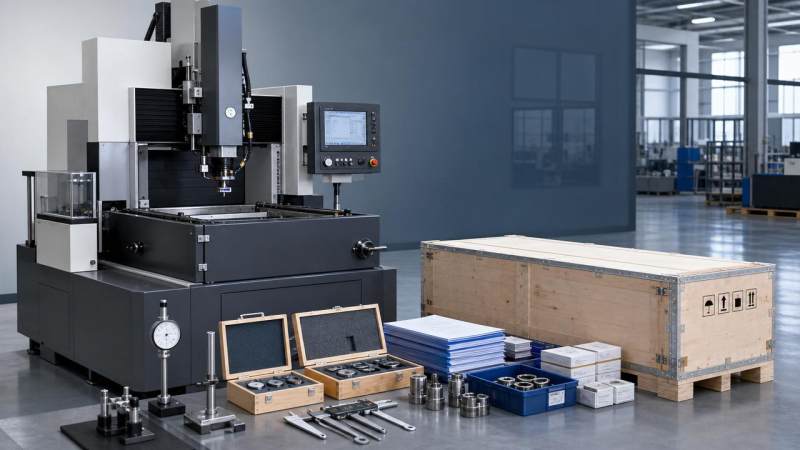
Choosing an edm machine oem supplier can expose buyers to hidden quality, delivery, and compliance risks when vetting is shallow. A low-risk review should test real factory capability, process discipline, export readiness, and service accountability. This guide explains how to evaluate an edm machine oem supplier across practical business scenarios, so decisions rely on evidence instead of claims.
When a standard quotation is not enough
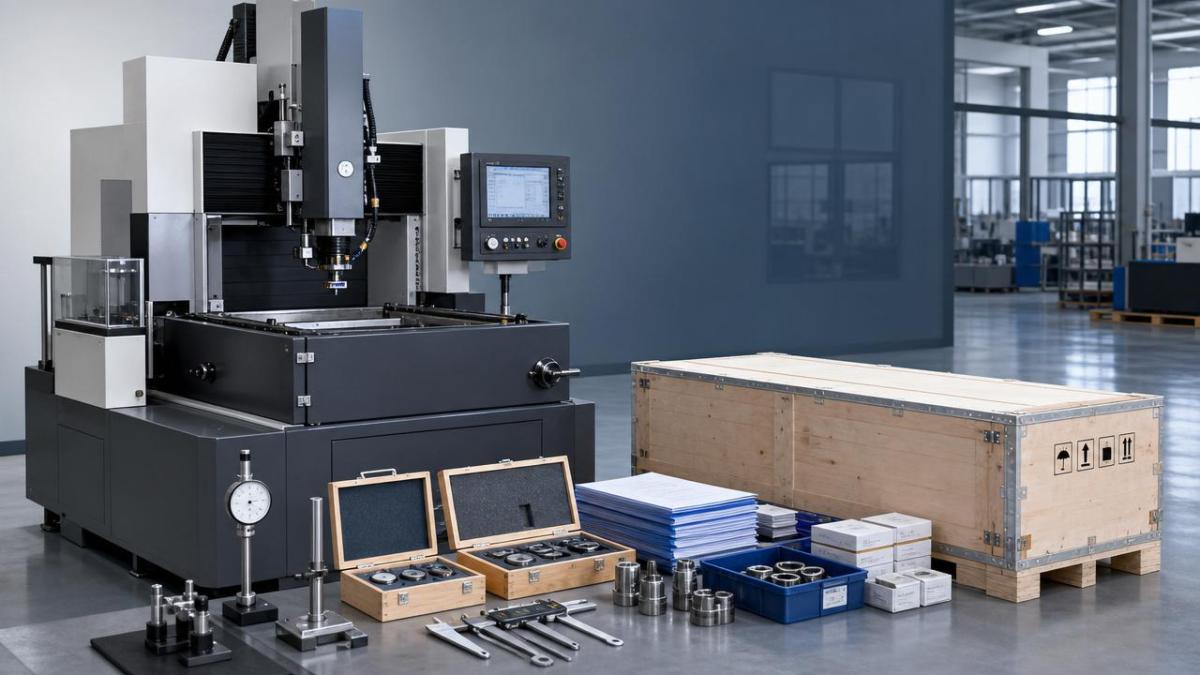
Not every sourcing case needs the same level of scrutiny. A low-volume trial machine creates one risk profile. A multi-line production rollout creates another.
That is why an edm machine oem supplier should be judged by scenario fit, not just catalog breadth or quoted price. The right supplier for mold shops may fail in aerospace, medical, or export-heavy environments.
In integrated industries, EDM equipment often supports precision tooling, die work, hardened material machining, and complex cavity production. Small errors in supplier selection can affect uptime, dimensional stability, and total ownership cost.
Scenario 1: Buying for first-time import and market entry
If the machine will cross borders, export experience matters as much as machine design. A qualified edm machine oem supplier should show shipment records, packaging standards, and document control.
Check whether the supplier can provide CE-related files, electrical drawings, manuals, spare parts lists, and customs support. Missing paperwork often causes more delay than production itself.
Ask for examples of installations in your destination region. Voltage adaptation, safety labeling, software language, and local service partners all reduce launch risk.
Core judgment points in this scenario
- Export history for similar EDM models
- Packing method for long-distance transport
- Certification and electrical compliance readiness
- Remote commissioning capability
- Availability of English technical documentation
Scenario 2: Replacing an installed machine with minimal downtime
Here, the main risk is production disruption. The edm machine oem supplier must prove short lead times, installation planning, and process compatibility with current electrodes, fixtures, and operator habits.
Request a replacement roadmap. It should cover dismantling support, foundation dimensions, utility requirements, software transition, acceptance tests, and operator training windows.
A strong supplier will also define preventive spare stock. Power supply modules, pumps, filters, seals, and wear parts should be mapped before shipment.
Core judgment points in this scenario
- Lead time reliability, not only promised date
- Retrofit and layout compatibility
- Commissioning speed and restart support
- Spare parts delivery commitment
Scenario 3: Sourcing for tight-tolerance tooling or complex materials
In high-precision work, brochure claims are never enough. The edm machine oem supplier should provide sample reports, surface finish evidence, accuracy data, and repeatability under actual load conditions.
Look beyond axis travel and peak current. Examine thermal stability, machine casting quality, dielectric circulation, generator control, and compensation logic.
For hardened steel, carbide, or intricate mold cavities, ask for trial cuts using similar geometry. Test data should include dimensional deviation, corner wear, taper control, and electrode consumption.
What to verify before approval
- Acceptance criteria linked to real parts
- Inspection instruments used in the factory
- Machine calibration and traceability records
- Software functions for fine finishing and corner control
Scenario 4: Building a long-term private-label or OEM relationship
When branding, configuration control becomes critical. An edm machine oem supplier should manage drawings, BOM versions, firmware revisions, labels, and packaging consistency.
Low-risk cooperation requires process ownership. That includes incoming inspection, assembly checkpoints, test records, final audit standards, and nonconformance handling.
Ask whether critical components are single-sourced. Dependency on one generator maker or one controller vendor can weaken continuity during supply chain shocks.
Core judgment points in this scenario
- Change control for parts and software
- Confidentiality and design protection
- Capacity for batch consistency
- Clear warranty allocation under private label terms
How scenario needs change the vetting checklist
The same edm machine oem supplier may score well in one scenario and poorly in another. A comparison table helps focus on the right evidence.
Practical low-risk checks before choosing an edm machine oem supplier
A robust review combines document checks, live validation, and commercial safeguards. Do not rely on one video call or one polished catalog.
- Verify business registration, export identity, and factory address.
- Request the production flow for the EDM model under review.
- Audit quality checkpoints from casting to final machine testing.
- Review component brands for controller, guideways, pump, and electrical cabinet.
- Check reference customers in similar industries and machine sizes.
- Ask for FAT criteria with measurable pass-fail items.
- Confirm warranty response time and spare parts support terms.
- Use payment milestones linked to inspection and delivery evidence.
Scenario-based supplier fit recommendations
Different use cases need different supplier strengths. Matching the edm machine oem supplier to the intended operating environment reduces hidden costs.
Common mistakes that increase supplier risk
One common error is judging an edm machine oem supplier by machine appearance only. Clean paint and a modern screen do not prove process capability.
Another mistake is accepting generic test videos. Tests should match your materials, geometry, tolerances, and target finish.
Many teams also overlook service structure. A warranty without response times, spare parts lists, and escalation contacts has limited value.
Finally, low initial price can hide long-term exposure. Weak generators, unstable dielectric systems, or poor documentation often create expensive downtime later.
A practical next step for lower-risk selection
To shortlist an edm machine oem supplier with less risk, build a scenario-specific scorecard first. Weight compliance, quality evidence, delivery capability, and service based on the intended application.
Then request three proof sets: factory capability documents, performance validation for similar parts, and after-sales commitment with measurable timelines. Compare each supplier against the same checklist.
A disciplined review turns supplier selection into an evidence-based engineering decision. That approach lowers surprises, improves uptime, and helps secure a more dependable edm machine oem supplier relationship.
Recommended News
 Organic Fertilizers Explained: Types, Nutrient Content, and Best Use CasesOrganic fertilizers explained clearly: compare types, nutrient content, release speed, and best use cases for gardens, farms, and landscapes to choose smarter and grow better.
 E-Learning vs Classroom Training: Which Works Better for Employee Upskilling?E-learning vs classroom training: discover which model drives faster employee upskilling, better retention, and stronger business results—and why blended learning often wins.
 Radiators Manufacturer Comparison: Key Specs, Materials, and OEM CapabilitiesRadiators manufacturer comparison guide: evaluate key specs, material quality, pressure performance, and OEM capabilities to choose a reliable supplier with lower lifecycle risk.
 Architectural Low E Glass Wholesale: What Buyers Should Check Before OrderingArchitectural low e glass wholesale buyers should verify U-value, SHGC, coating type, fabrication fit, and compliance before ordering to reduce risk, control cost, and choose with confidence.
 How to Choose Stainless Steel Fasteners for Outdoor and Marine Applicationsstainlesssteelfasteners guide: learn how to choose 304, 316, or duplex fasteners for outdoor and marine use, avoid corrosion risks, and buy smarter for longer service life.
 Why Nursing Pads Leak or Shift: Common Causes and How to Choose Better ProtectionNursingpads leaking or shifting? Discover the most common causes, what features really improve protection, and how to choose comfortable nursing pads that stay in place.
 Kraft Paper Bags vs Plastic Bags: Which Packaging Option Fits Cost, Strength, and Compliance?kraftpaperbags vs plastic bags: compare real cost, load strength, moisture limits, and compliance risks to choose smarter packaging for retail, food, and industrial use.
 How an Industrial Database for Manufacturing Helps Source Suppliers and Compare CapabilitiesIndustrial database for manufacturing helps buyers source qualified suppliers, compare capabilities, reduce risk, and make faster procurement decisions with confidence.
 How to Choose Gear Machinery: Load Capacity, Speed, Precision, and Maintenance FactorsGear machinery selection made simple: learn how to compare load capacity, speed, precision, and maintenance factors to reduce downtime, improve efficiency, and choose the right system with confidence.
 Insulation & Waterproofing Explained: Key Materials, Methods, and Where Each Works BestInsulation & Waterproofing explained clearly: compare key materials, installation methods, failure risks, and where each system works best for durable, efficient projects.
 Automatic Mechanical Watches Explained: How They Work and What Affects Accuracyautomaticmechanicalwatches explained clearly: learn how self-winding movements work, what impacts accuracy, and how to choose a reliable model with confidence.
 AI in Precision Engineering for Medical Devices: Where It Improves Tolerance and InspectionAI in precision engineering for medical devices improves tolerance control, inspection accuracy, and compliance traceability. Discover where it cuts scrap, speeds validation, and boosts process confidence.
 Automotive Upholstery Materials Compared: Leather, Vinyl, and Fabric for Different UsesAutomotive upholstery compared: discover whether leather, vinyl, or fabric best fits your car, climate, budget, and lifestyle for smarter comfort, easier cleaning, and better long-term value.
 What Is a BMS and Which Battery Systems Need One Most?BMS explained: learn what a Battery Management System does, which battery systems need it most, and how the right BMS improves safety, uptime, and lifecycle value.
 How to Choose Electronic Components for Industrial Control Systems: Key Specs and RisksElectronic components for industrial control systems must handle heat, noise, vibration, and supply risk. Learn the key specs, hidden risks, and smart checks for reliable selection.
 Sheet Metal Manufacturer Selection Guide: Tolerances, Materials, and Certification ChecksSheet metal manufacturer selection guide covering tolerances, material traceability, and certification checks—learn how to compare suppliers, reduce sourcing risk, and choose with confidence.
 Smart Street Lighting for Urban Areas: Key Features, Controls, and ROI FactorsSmart street lighting for urban areas: explore key features, control strategies, and ROI factors to cut energy costs, improve uptime, and support smarter city procurement decisions.
 Green Shipping Explained: Practical Ways to Cut Emissions Across Supply ChainsGreen shipping made practical: learn how to cut supply-chain emissions through smarter planning, cargo segmentation, packaging, and procurement—without sacrificing reliability.
 How to Choose Irrigation Equipment for Farms, Landscapes, and GreenhousesIrrigation equipment selection starts with system fit. Learn how farms, landscapes, and greenhouses can improve water efficiency, reliability, and long-term cost control.
 What Is a Content Management System and Which Businesses Need One Most?Content management system explained: discover which businesses need one most, how it improves accuracy, SEO, and workflow control, and why it matters for fast-moving B2B and industrial content.
 Energy Auditing for Manufacturing Plants: What to Check Before Approving Efficiency UpgradesEnergy auditing helps manufacturing plants verify real savings, reduce process risk, and approve efficiency upgrades with confidence before capital is committed.









Search News
Popular Tags