
Why CNC lathe manufacturer lead time affects total cost
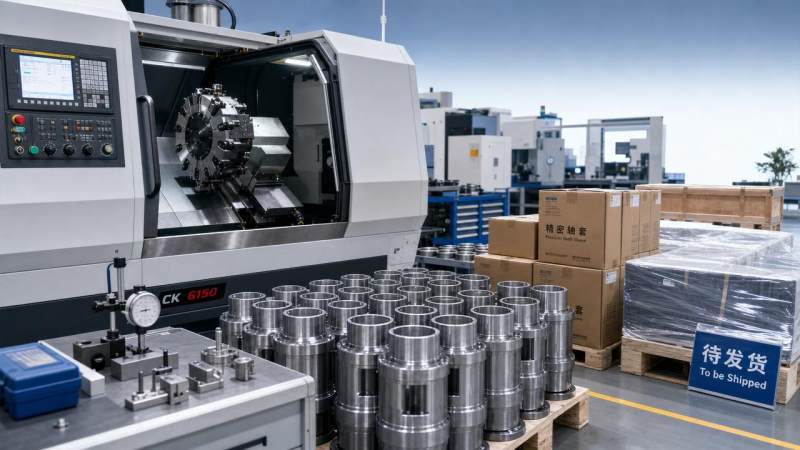
For finance approvers, choosing a cnc lathe manufacturer is not only about unit price but also about lead time, which directly shapes inventory pressure, project delays, cash flow exposure, and total landed cost. Understanding how delivery schedules influence hidden expenses helps decision-makers reduce budget risk and secure more predictable manufacturing outcomes.
Why lead time needs a checklist-based evaluation
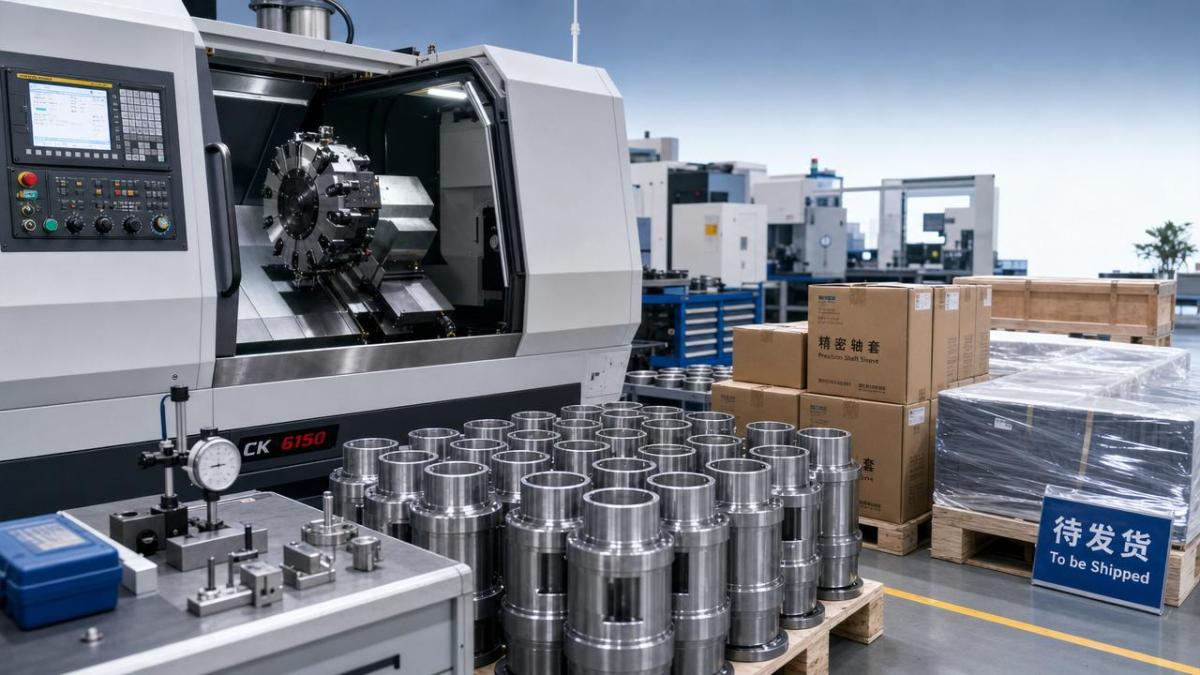
A quoted part price can look competitive while the total program cost keeps rising. The missing variable is often time. A capable cnc lathe manufacturer may charge more per part but reduce delays, rework, expediting, and inventory burdens.
Lead time affects planning across machining, heat treatment, inspection, packaging, shipping, and line startup. In a comprehensive industrial environment, one late turning component can stall assemblies, maintenance windows, or EPC milestones.
That is why checklist thinking works. It converts lead time from a vague promise into verifiable cost drivers. Instead of asking only “When can it ship?”, the better question is “What cost risk is created by this delivery schedule?”
Core checklist: how a cnc lathe manufacturer lead time changes total cost
Use the following points to compare any cnc lathe manufacturer beyond unit price. Each item links delivery timing to a direct or hidden cost outcome.
- Verify raw material readiness before order release. Long bar stock, alloy shortages, or mill certificate delays can quietly add days and trigger urgent spot-buy pricing.
- Check actual machine loading, not advertised capacity. A cnc lathe manufacturer with crowded schedules may quote fast delivery but shift your job behind higher-priority orders.
- Confirm process routing in detail. Turning, milling, grinding, coating, and heat treatment often involve external steps that extend lead time and increase coordination costs.
- Review first article approval timing. Complex parts may wait for dimensional validation, gauge setup, or customer sign-off, delaying batch release and stretching cash conversion cycles.
- Measure lot size strategy against demand. Oversized batches can lower piece price yet raise inventory carrying cost, obsolescence exposure, and warehouse space consumption.
- Assess change-control responsiveness. Engineering revisions during production can cause scrap, rescheduling, and duplicate logistics if the supplier cannot react quickly.
- Validate inspection capability early. Delays in CMM access, thread verification, or surface roughness testing often postpone shipment even when machining is already complete.
- Calculate expedite options in advance. Premium freight, overtime machining, and split shipments can rescue timelines, but they sharply raise landed cost.
- Check packaging and export documentation readiness. Missing labels, origin papers, or compliance records can lock finished parts in the warehouse.
- Compare schedule reliability, not best-case promises. A stable cnc lathe manufacturer with repeatable on-time delivery often beats a cheaper source with frequent slippage.
Cost categories influenced by lead time
Lead time impacts cost in several layers. Some are obvious, such as freight surcharges. Others stay hidden in project accounting until margins tighten.
- Increase working capital lockup when early buying is required to protect uncertain schedules.
- Trigger downtime or assembly idle hours when critical turned parts arrive late.
- Create quality spillover costs when rushed production reduces setup discipline or inspection depth.
- Add administrative effort for rescheduling, claim handling, revised shipping plans, and supplier follow-up.
How lead time risk changes by application scenario
Project-based equipment builds
In custom equipment or EPC packages, one delayed shaft, sleeve, or threaded housing can push site acceptance milestones. The cost is rarely limited to the part itself.
A reliable cnc lathe manufacturer reduces interface risk across fabrication, installation, and commissioning. Predictable delivery protects milestone billing and avoids contract penalties.
MRO and replacement components
For maintenance parts, lead time directly links to uptime. A low-cost quote loses value quickly if extended delivery keeps critical assets offline.
Here, the best cnc lathe manufacturer is often the one with fast material access, reverse-engineering support, and disciplined dimensional control on small emergency batches.
Serial production with forecast demand
In repeat production, long lead time mainly drives inventory and forecast error. Buffer stock may seem safe, but it ties up cash and raises revision exposure.
A qualified cnc lathe manufacturer should support rolling forecasts, safety stock logic, and batch resizing to balance availability with inventory efficiency.
Commonly overlooked lead time factors
Post-machining processes are treated as fixed
Heat treatment, plating, anodizing, passivation, or balancing are often assumed to be routine. In reality, these outsourced operations commonly become the longest part of the schedule.
Setup complexity is ignored on low-volume parts
Short runs with tight tolerances can consume disproportionate programming and setup hours. A cnc lathe manufacturer may need more time than the drawing seems to suggest.
Supplier communication speed is undervalued
Slow responses to drawing clarifications, tolerance disputes, or packaging questions lengthen the effective lead time. Communication lag becomes an indirect cost multiplier.
On-time shipment is confused with on-time usability
A box arriving on schedule does not guarantee production readiness. Missing certificates, incomplete deburring, or nonconforming threads can still delay downstream use.
Practical execution steps for supplier comparison
Apply a structured review before awarding business to any cnc lathe manufacturer. The goal is to compare schedule quality, not only quoted turnaround.
- Request a lead time breakdown by material sourcing, machining, outside processing, inspection, and shipping.
- Ask for historical on-time delivery data across similar part families and order volumes.
- Model three cost cases: normal delivery, delayed delivery, and expedited recovery.
- Align order release dates with drawing freeze and approval checkpoints to avoid preventable rescheduling.
- Use pilot orders to test the real operating rhythm of the cnc lathe manufacturer before scaling volumes.
A simple decision table
Conclusion and next action
Lead time is not a scheduling detail. It is a financial variable that shapes inventory, uptime, freight, quality risk, and project stability. The right cnc lathe manufacturer lowers total cost by making delivery more predictable.
Start with a checklist, request evidence behind every lead time promise, and compare suppliers using total-cost scenarios rather than unit price alone. That approach creates stronger sourcing decisions and more resilient industrial execution.
Recommended News
 What to verify before using supplier sourcing solutions in EuropeSupplier sourcing solutions Europe: verify capabilities, compliance, traceability, total cost, and supply resilience before choosing reliable industrial partners.
 When smart fabrics are reliable enough for industrial wearablesSmart fabrics for industrial wearables: learn how to validate durability, signal quality, cleaning resilience, and safe failure performance before deployment.
 How supply chain management for exporters reduces customs delaysSupply chain management for exporters helps prevent customs delays with accurate data, origin checks, importer readiness, and proactive shipment controls. Explore practical strategies now.
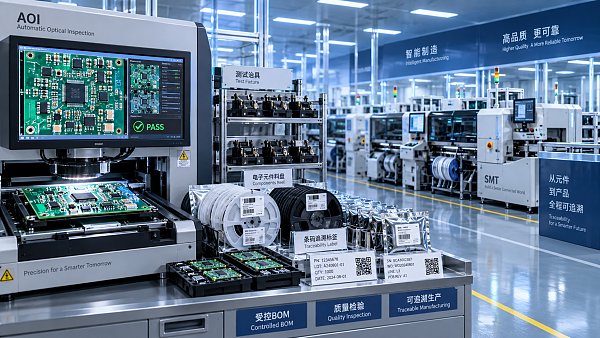
 What to verify before approving an OEM electronics supplierOEM electronics supplier approval checklist: verify BOM control, traceability, testing, sourcing risk, capacity, and commercial terms before committing to volume production.
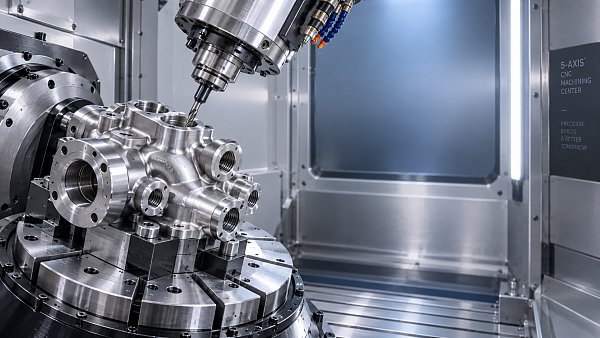
 When do CNC-machined precision components require five-axis milling?Precision components CNC machined with five-axis milling deliver better access, tighter datum control, and lower setup risk. Learn when five-axis machining is the smart choice.
 What should a restaurant POS system handle during a lunch rush?restaurantPOSsystems keep lunch rushes moving with fast ordering, smart kitchen routing, flexible payments, live inventory, and reliable service controls.
 How CNC controller cycle time speed affects machining throughputCNC controller cycle time speed can raise machining throughput by sustaining feed rates on complex toolpaths. Learn how to optimize CAM, look-ahead, and machine dynamics.
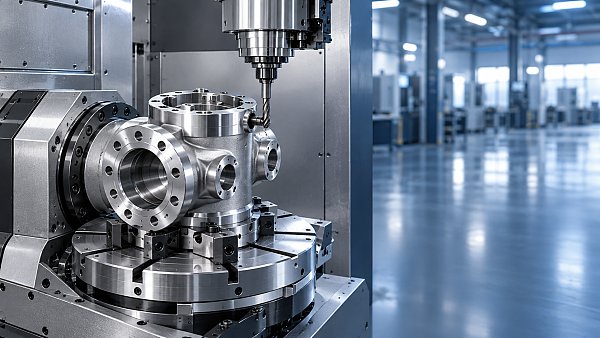
 When a 4 axis vertical machining center is the better fit than 3-axisDiscover when a 4 axis vertical machining center outperforms 3-axis machining—reduce setups, improve datum control, and boost efficiency for complex multi-face parts.
 When industrial fasteners bolts need traceable material certificationIndustrial fasteners bolts need traceable material certification for critical applications. Learn what QA teams should verify to reduce risk and ensure compliance.
 How to size pump systems for cooling circuits for stable flow ratesPump systems for cooling circuits: learn how to match flow, total dynamic head, NPSH, and controls for reliable, energy-efficient cooling performance.
 When does software as a service reduce CNC data management costs?Software as a service can lower CNC data management costs by reducing IT overhead, manual reporting, and disconnected records. Discover when SaaS delivers measurable savings.
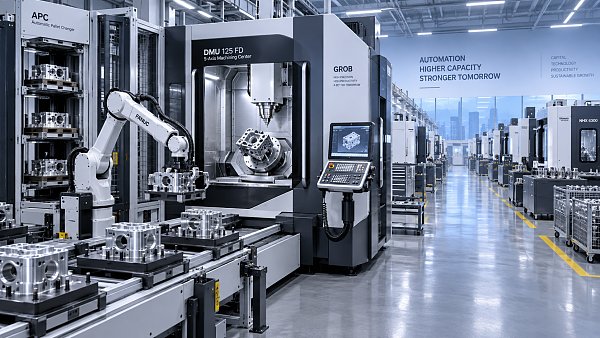
 CNC investment trends 2026: are automation upgrades taking priority?CNC investment trends 2026 reveal why automation upgrades are reshaping capacity plans. Compare robots, pallet systems, and new machines for smarter CNC growth.
 How to size high pressure pumps for stable chemical injection ratesHigh pressure pumps sizing guide for stable chemical injection rates—learn how to balance flow range, pressure, suction conditions, materials, and controls for reliable dosing.
 When organic chemicals are suitable feedstocks for synthetic lubricantsOrganic chemicals can unlock high-performance synthetic lubricants. Learn how purity, stability, compatibility, and supply control shape reliable industrial formulations.
 What machine tool market size reveals about capital spending cyclesMachine tool market size reveals capital spending cycles through order mix, automation, replacement demand, and capacity signals. Discover what drives smarter investment decisions.
 What causes solar inverters to trip repeatedly after installationSolar inverters tripping repeatedly? Discover key causes, from grid voltage and DC faults to wiring, settings, heat, and practical troubleshooting steps.
 How a tool life calculation chart improves cutting parameter decisionsTool life calculation chart insights help optimize cutting speed, feed, and depth for predictable tool changes, better part quality, and lower machining costs.
 What to check before choosing an industrial lubricating oils factoryIndustrial lubricating oils factory selection guide: compare quality control, formulation fit, traceability, technical support, and total cost to reduce downtime risks.
 Where machine shop digital transformation delivers the fastest paybackMachine shop digital transformation delivers faster payback by reducing downtime, setup delays, quality risks, and capacity constraints with focused, measurable workflows.
 When a semiconductor manufacturing solutions provider can shorten process ramp-upA semiconductor manufacturing solutions provider can shorten ramp-up through validated hardware, change control, field support, and resilient supply chains.
 How to evaluate CNC tooling suppliers in Europe for repeatable precisionCNC tooling Europe: learn how to evaluate suppliers for repeatable precision, stable tool life, application support, traceability, and resilient delivery.













Search News
Popular Tags