
Why CNC lathe manufacturer lead times vary so much
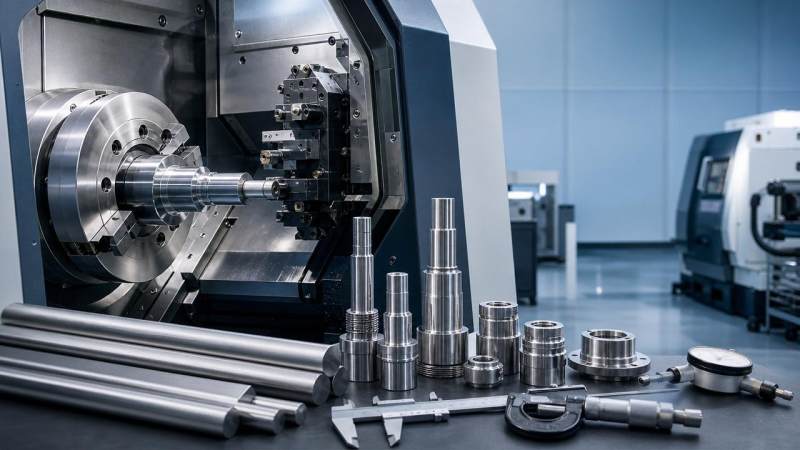
Choosing a cnc lathe manufacturer often looks straightforward until lead times vary by weeks or even months. These differences affect launch dates, maintenance planning, and total project cost. A realistic understanding of quoting, capacity, materials, inspection, and logistics helps reduce uncertainty and improve sourcing outcomes.
What does lead time mean when working with a cnc lathe manufacturer?
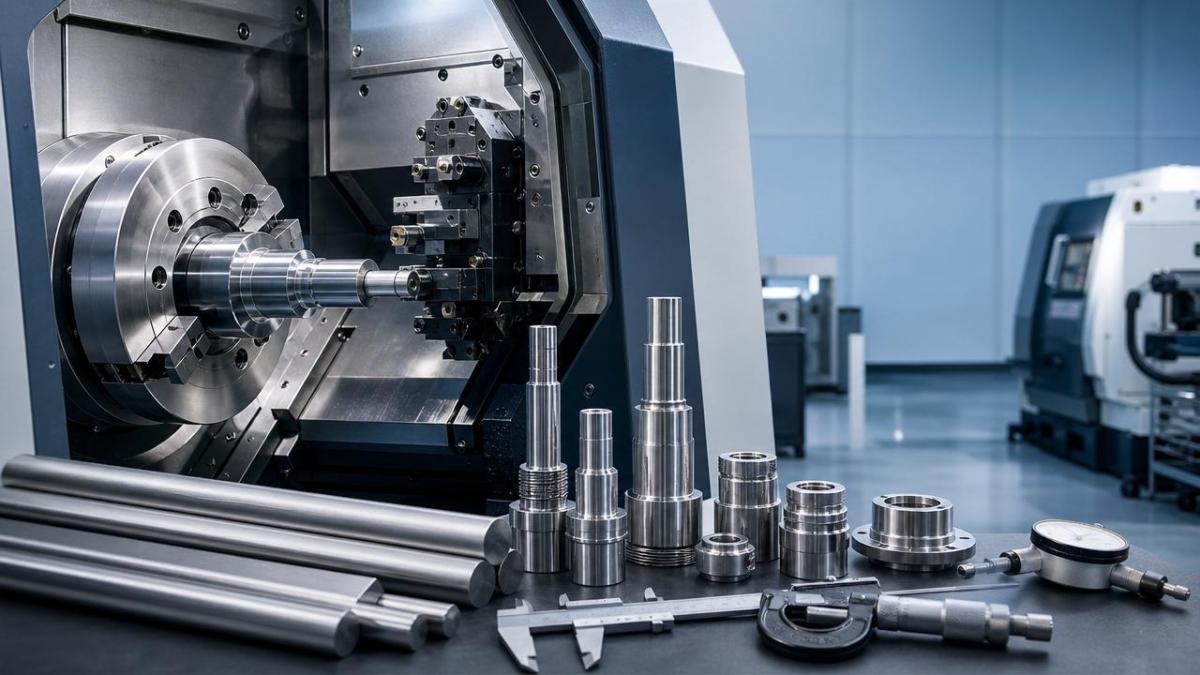
Lead time is not only machine cutting time. It includes quotation review, engineering confirmation, raw material purchase, tooling preparation, machining, inspection, finishing, packing, and shipping.
A cnc lathe manufacturer may also separate lead time into sample production, pilot runs, and mass production. Each stage has different risks and approval steps.
For standard shafts or bushings, production can begin quickly. For aerospace, medical, or sealing components, documentation and traceability often add several days.
This is why two suppliers can quote the same drawing yet promise very different delivery windows. Their internal process definitions are rarely identical.
Why the quoted date may differ from the true completion date
Some shops count from purchase order receipt. Others count from approved drawings, deposit payment, or material arrival. That creates hidden schedule gaps before machining even starts.
A reliable cnc lathe manufacturer states assumptions clearly. Clear milestones matter more than a short but vague promise.
Why do material sourcing and part complexity change lead times so much?
Material availability is one of the biggest drivers. Common carbon steel or aluminum usually moves fast. Titanium, Inconel, duplex stainless, or certified bar stock often requires longer sourcing cycles.
If the cnc lathe manufacturer depends on outside mills or import channels, lead time can expand further. Mill certificates, heat numbers, and origin compliance can delay release.
Part geometry also matters. Tight concentricity, thin walls, deep bores, complex threads, and fine surface finish demand more setups and slower feeds.
Live tooling, sub-spindle transfer, or secondary milling can improve efficiency. Still, those features require programming skill and machine availability.
Typical complexity factors that extend schedules
- Uncommon alloys or customer-specified mills
- Extremely tight tolerances or roundness demands
- Special heat treatment or coating sequences
- Burr-sensitive edges needing manual finishing
- Traceability and first article documentation
In broader industrial applications, these variables are common in pumps, valves, fasteners, molds, and rotating equipment parts. Lead time shifts are therefore structural, not random.
How do capacity, machine planning, and production mix affect a cnc lathe manufacturer?
A modern cnc lathe manufacturer may operate advanced multi-axis machines, but capacity still depends on schedule balance. One urgent order can displace several smaller jobs.
Machine type matters too. A shop with open two-axis lathes may still lack free live-tool turning centers for complex work. Capacity is not only about machine count.
Production mix also changes setup efficiency. Repeating families of parts reduce changeover time. A highly mixed workload increases programming, fixture adjustments, and inspection interruptions.
Labor allocation is another factor. Experienced operators, programmers, and quality technicians are not interchangeable resources. A bottleneck in one role can delay the entire order.
Questions that reveal real capacity
- Is the quoted date based on current machine loading?
- Will the part run on one machine or multiple workstations?
- Are night shifts or weekend shifts part of the plan?
- What happens if a machine breaks down mid-order?
These details separate a realistic lead-time commitment from a sales estimate.
How do quality control, finishing, and external processes create hidden delays?
Many buyers focus on machining hours and ignore downstream steps. Yet CMM inspection, thread gauging, pressure testing, passivation, plating, anodizing, and heat treatment often determine the final ship date.
A cnc lathe manufacturer with in-house metrology usually controls timing better. Outsourced inspection or finishing introduces queue time, transport time, and rework risk.
Surface treatment vendors may also batch multiple customers together. A part finished today might still wait several days before the coating line runs.
When tolerances are tight after plating or heat treatment, extra stock allowance and post-process grinding may be necessary. That extends the route again.
Common hidden-delay points
How can lead times be compared correctly when selecting a cnc lathe manufacturer?
Comparing only the number of days is risky. The better approach is to compare assumptions, milestones, and process control across each cnc lathe manufacturer.
A shorter lead time may reflect standard material substitution, reduced inspection scope, or outsourced rush processing. That can create cost and quality issues later.
A longer lead time is not automatically bad. It may include proper documentation, more stable routing, and realistic external process scheduling.
Practical comparison checklist
- Start date definition: PO date, drawing approval, or material arrival
- Material grade, source, and certification scope
- Machine route and setup count
- Inspection plan and report deliverables
- Outsourced processes and vendor control
- Shipping term, packing method, and export documentation
This method supports industrial sourcing across machinery, energy, automotive, fluid control, and engineered component programs where schedule reliability matters more than optimistic promises.
What steps reduce lead-time risk before placing an order?
The first step is drawing clarity. Ambiguous tolerances, missing surface roughness notes, or unclear datum strategy create back-and-forth engineering reviews.
The second step is early material confirmation. If a specific alloy or certificate is mandatory, confirm availability before finalizing the schedule with the cnc lathe manufacturer.
Third, separate must-have requirements from optional preferences. Cosmetic requests, custom labeling, and special packaging can be planned without disrupting core machining flow.
Fourth, ask for milestone reporting instead of one final date. Engineering approval, material receipt, machining completion, finishing completion, and shipment readiness provide better control.
FAQ summary table
Lead times vary because every cnc lathe manufacturer combines different materials, machine loads, process routes, and quality systems. The most useful comparison is not the shortest date. It is the clearest, most controllable schedule.
For better sourcing decisions, verify assumptions, ask milestone-based questions, and align technical requirements before production begins. That approach reduces surprises and supports more resilient industrial planning.
Recommended News
 What to verify before using supplier sourcing solutions in EuropeSupplier sourcing solutions Europe: verify capabilities, compliance, traceability, total cost, and supply resilience before choosing reliable industrial partners.
 When smart fabrics are reliable enough for industrial wearablesSmart fabrics for industrial wearables: learn how to validate durability, signal quality, cleaning resilience, and safe failure performance before deployment.
 How supply chain management for exporters reduces customs delaysSupply chain management for exporters helps prevent customs delays with accurate data, origin checks, importer readiness, and proactive shipment controls. Explore practical strategies now.
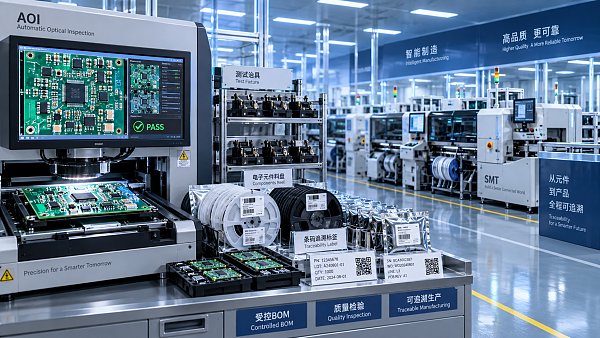
 What to verify before approving an OEM electronics supplierOEM electronics supplier approval checklist: verify BOM control, traceability, testing, sourcing risk, capacity, and commercial terms before committing to volume production.
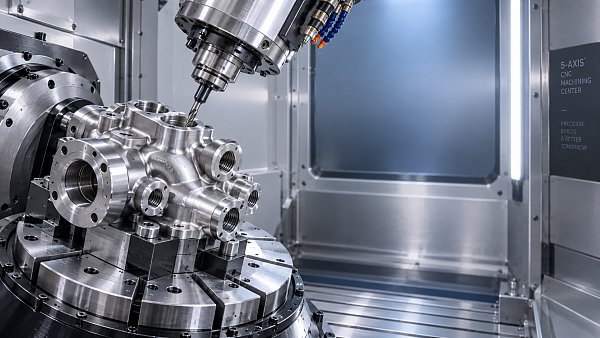
 When do CNC-machined precision components require five-axis milling?Precision components CNC machined with five-axis milling deliver better access, tighter datum control, and lower setup risk. Learn when five-axis machining is the smart choice.
 What should a restaurant POS system handle during a lunch rush?restaurantPOSsystems keep lunch rushes moving with fast ordering, smart kitchen routing, flexible payments, live inventory, and reliable service controls.
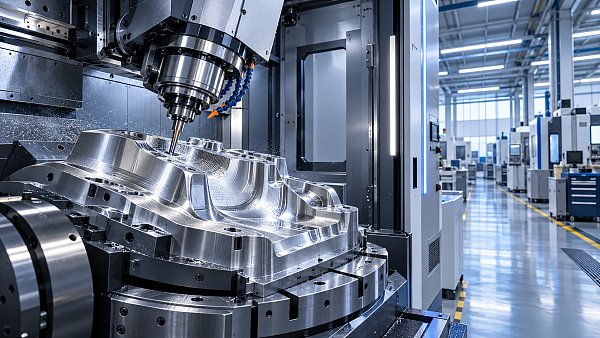
 How CNC controller cycle time speed affects machining throughputCNC controller cycle time speed can raise machining throughput by sustaining feed rates on complex toolpaths. Learn how to optimize CAM, look-ahead, and machine dynamics.
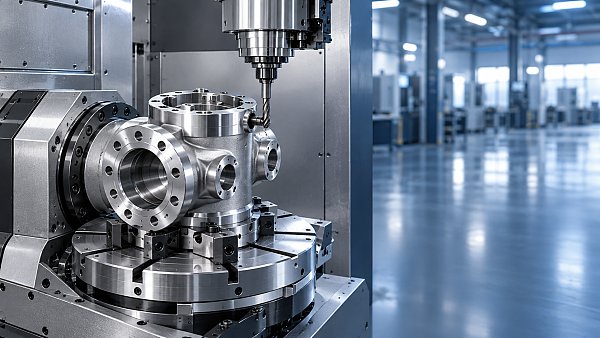
 When a 4 axis vertical machining center is the better fit than 3-axisDiscover when a 4 axis vertical machining center outperforms 3-axis machining—reduce setups, improve datum control, and boost efficiency for complex multi-face parts.
 When industrial fasteners bolts need traceable material certificationIndustrial fasteners bolts need traceable material certification for critical applications. Learn what QA teams should verify to reduce risk and ensure compliance.
 How to size pump systems for cooling circuits for stable flow ratesPump systems for cooling circuits: learn how to match flow, total dynamic head, NPSH, and controls for reliable, energy-efficient cooling performance.
 When does software as a service reduce CNC data management costs?Software as a service can lower CNC data management costs by reducing IT overhead, manual reporting, and disconnected records. Discover when SaaS delivers measurable savings.
 CNC investment trends 2026: are automation upgrades taking priority?CNC investment trends 2026 reveal why automation upgrades are reshaping capacity plans. Compare robots, pallet systems, and new machines for smarter CNC growth.
 How to size high pressure pumps for stable chemical injection ratesHigh pressure pumps sizing guide for stable chemical injection rates—learn how to balance flow range, pressure, suction conditions, materials, and controls for reliable dosing.
 When organic chemicals are suitable feedstocks for synthetic lubricantsOrganic chemicals can unlock high-performance synthetic lubricants. Learn how purity, stability, compatibility, and supply control shape reliable industrial formulations.
 What machine tool market size reveals about capital spending cyclesMachine tool market size reveals capital spending cycles through order mix, automation, replacement demand, and capacity signals. Discover what drives smarter investment decisions.
 What causes solar inverters to trip repeatedly after installationSolar inverters tripping repeatedly? Discover key causes, from grid voltage and DC faults to wiring, settings, heat, and practical troubleshooting steps.
 How a tool life calculation chart improves cutting parameter decisionsTool life calculation chart insights help optimize cutting speed, feed, and depth for predictable tool changes, better part quality, and lower machining costs.
 What to check before choosing an industrial lubricating oils factoryIndustrial lubricating oils factory selection guide: compare quality control, formulation fit, traceability, technical support, and total cost to reduce downtime risks.
 Where machine shop digital transformation delivers the fastest paybackMachine shop digital transformation delivers faster payback by reducing downtime, setup delays, quality risks, and capacity constraints with focused, measurable workflows.
 When a semiconductor manufacturing solutions provider can shorten process ramp-upA semiconductor manufacturing solutions provider can shorten ramp-up through validated hardware, change control, field support, and resilient supply chains.
 How to evaluate CNC tooling suppliers in Europe for repeatable precisionCNC tooling Europe: learn how to evaluate suppliers for repeatable precision, stable tool life, application support, traceability, and resilient delivery.










Search News
Popular Tags