
Automatic tool changer OEM options that cut downtime
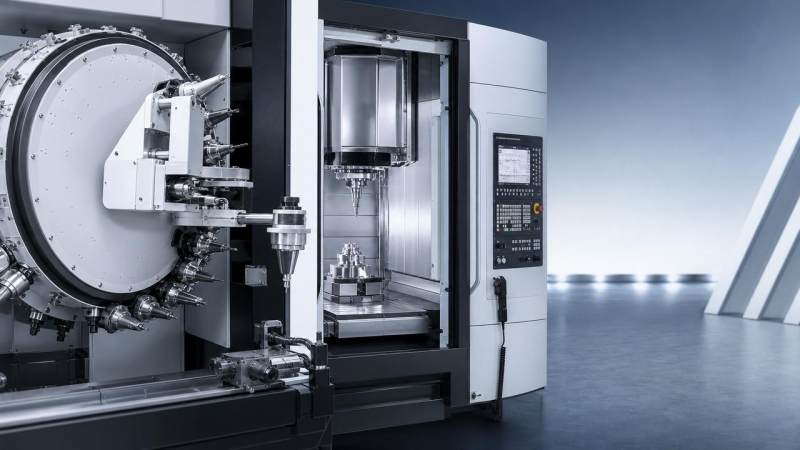
For operations where spindle idle time directly reduces throughput, choosing the right automatic tool changer OEM path is not a minor equipment detail. It affects cycle stability, recovery after faults, planned maintenance intervals, and the true cost of machine availability. A strong automatic tool changer OEM solution supports faster indexing, repeatable tool handoff, and lower risk of stoppages across machining-intensive production environments.
This guide explains how to evaluate automatic tool changer OEM options with a practical checklist. The goal is simple: reduce downtime using measurable engineering criteria rather than brochure claims. For mixed-industry production lines, that means comparing tool change speed, interface compatibility, wear life, support response, and integration discipline before issuing a sourcing decision.
Why a checklist matters when selecting an automatic tool changer OEM
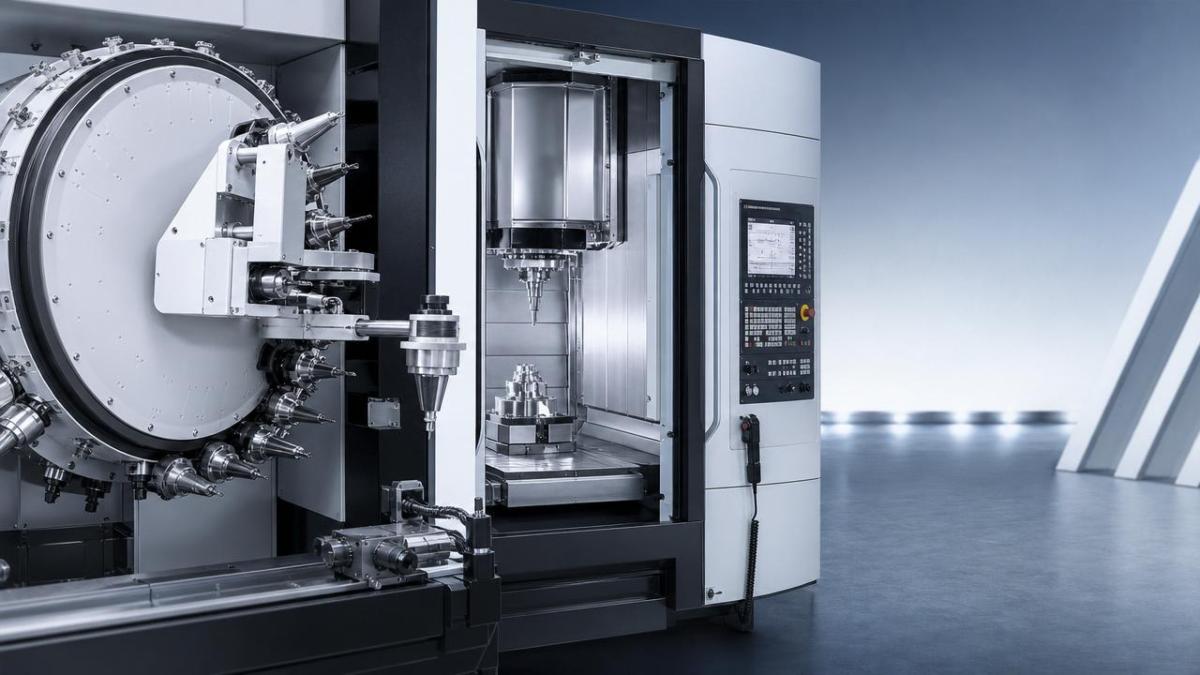
Automatic tool changer failures rarely come from one dramatic defect. Most downtime comes from stacked small issues: poor gripper wear control, inconsistent pocket alignment, sensor drift, weak lubrication access, or slow spare parts replenishment. A checklist reduces the chance of missing these hidden variables.
A checklist also helps compare different automatic tool changer OEM offerings across a common structure. That is important when reviewing carousel, arm-type, chain magazine, or custom high-capacity systems used in aerospace, die and mold, automotive, energy, and contract machining applications.
Core checklist for automatic tool changer OEM options that cut downtime
- Verify rated tool-to-tool time under load, not only dry-cycle marketing data, and request benchmark conditions covering spindle orientation, magazine position, and representative tool mass.
- Confirm compatibility with holder standards such as BT, CAT, HSK, or CAPTO, including pull-stud geometry, retention force limits, and balance requirements at operating speed.
- Check pocket capacity against actual part mix, because undersized magazines force manual intervention, increase setup interruptions, and weaken the uptime benefit of any automatic tool changer OEM package.
- Review arm, cam, gripper, and pocket materials for fatigue resistance, wear behavior, and contamination tolerance in chips, coolant mist, abrasive dust, or hot machining conditions.
- Assess sensor architecture carefully, including pocket confirmation, tool-present detection, home-position feedback, and fault recovery logic that prevents cascading alarms during interrupted cycles.
- Inspect lubrication points, refill intervals, and maintenance access, because hard-to-reach service areas often turn routine care into deferred work and unexpected stoppages.
- Request mean time between failure data, service case history, and parts replacement patterns to judge whether the automatic tool changer OEM has proven reliability beyond pilot installations.
- Validate control integration with CNC, PLC, and safety interlocks, including alarm mapping, restart routines, and communication protocols used by the target machine platform.
- Examine spare parts strategy, especially lead times for grippers, sensors, pocket assemblies, drive components, and proprietary boards that can extend downtime if not locally stocked.
- Compare OEM commissioning scope, operator training, and preventive maintenance documentation, since weak handover support often erodes the theoretical advantages of a premium system.
How automatic tool changer OEM priorities shift by application
High-mix precision machining
In high-mix environments, pocket count and tool management logic matter as much as raw speed. Frequent program changes increase the value of reliable tool identification, quick recovery after a missed change, and stable handling of varied holder lengths.
Here, the best automatic tool changer OEM choice is usually the one that reduces manual touches between jobs. Fast setup validation, clean alarm history, and intuitive maintenance access often outperform a marginally faster change time.
Heavy-duty metal removal
Large cutters, long tools, and roughing programs place higher loads on grippers, arm drives, and pocket support structures. Tool mass limits should be reviewed with conservative safety margins, not theoretical maximums.
For this use case, an automatic tool changer OEM should show strong evidence of mechanical durability, contamination control, and recovery logic after interrupted cycles. Structural stiffness and retention reliability are central downtime drivers.
Automated cells and lights-out production
Unattended machining raises the penalty of every missed pickup or sensor error. Remote diagnostics, fault traceability, and predictable consumable wear become essential because manual intervention is intentionally limited.
In these systems, a dependable automatic tool changer OEM must integrate cleanly with machine monitoring, tool life management, and restart procedures. The best design is one that fails visibly, recovers safely, and reports root causes clearly.
Commonly overlooked issues that increase downtime
Ignoring contamination behavior
Many evaluations focus on nominal speed while overlooking chips, coolant carryover, and fine abrasive debris. An automatic tool changer OEM system that performs well in a clean demo may degrade quickly in real production contamination.
Underestimating spare parts dependency
Downtime risk rises when critical parts are unique, imported, or tied to a single source. Even a robust automatic tool changer OEM design can become a liability if replacement sensors or grippers require long replenishment cycles.
Accepting unclear fault recovery routines
Some systems change tools quickly but recover slowly after interruption. If recovery requires deep manual steps, every alarm becomes expensive. Restart logic should be tested during supplier review, not assumed from control compatibility alone.
Overbuying capacity without process need
Larger magazines can support flexibility, but they also add moving parts, inertia, and service complexity. The right automatic tool changer OEM configuration balances future headroom with maintainability and actual job-family demand.
Practical execution steps before approval
- Map current downtime events by cause, then isolate how many minutes relate to tool change delay, missed pickup, manual reload, or magazine service intervention.
- Create a comparison sheet covering tool type, holder standard, tool weight, pocket need, cycle pattern, contamination exposure, and expected annual operating hours.
- Ask each automatic tool changer OEM candidate to respond against the same duty profile, including failure modes, wear parts, and recommended preventive maintenance intervals.
- Run a factory acceptance review using representative tools and realistic sequences, including long tools, heavy tools, restart scenarios, and deliberate alarm recovery checks.
- Negotiate a spares package tied to commissioning, focusing on high-wear and high-lead-time components that most directly influence machine uptime.
- Document support response windows, escalation paths, and remote diagnostic capability before purchase order release, especially for multi-site or cross-border deployment.
Summary and next action for automatic tool changer OEM selection
The best automatic tool changer OEM option is not simply the fastest mechanism on paper. It is the solution that protects uptime through reliable handling, maintainable design, verified integration, and responsive parts support. Downtime reduction comes from the full system, not the changer alone.
Use the checklist above to screen suppliers, standardize technical comparisons, and pressure-test claims against real operating conditions. When the evaluation is grounded in tool mass, contamination exposure, control logic, and service readiness, the resulting automatic tool changer OEM decision is far more likely to deliver durable productivity gains.
A practical next step is to build a short bid matrix with uptime-critical criteria weighted first. That approach turns a broad supplier search into a disciplined engineering decision focused on measurable reduction of spindle idle time.
Recommended News
 What to verify before using supplier sourcing solutions in EuropeSupplier sourcing solutions Europe: verify capabilities, compliance, traceability, total cost, and supply resilience before choosing reliable industrial partners.
 When smart fabrics are reliable enough for industrial wearablesSmart fabrics for industrial wearables: learn how to validate durability, signal quality, cleaning resilience, and safe failure performance before deployment.
 How supply chain management for exporters reduces customs delaysSupply chain management for exporters helps prevent customs delays with accurate data, origin checks, importer readiness, and proactive shipment controls. Explore practical strategies now.
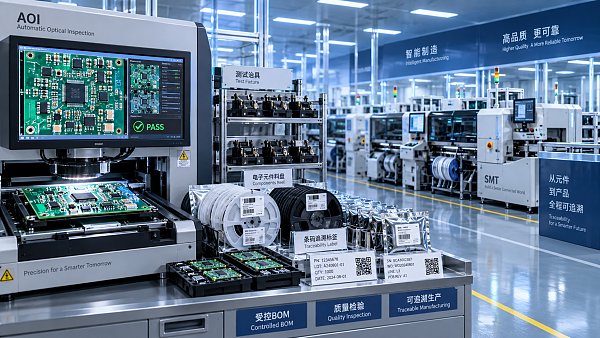
 What to verify before approving an OEM electronics supplierOEM electronics supplier approval checklist: verify BOM control, traceability, testing, sourcing risk, capacity, and commercial terms before committing to volume production.
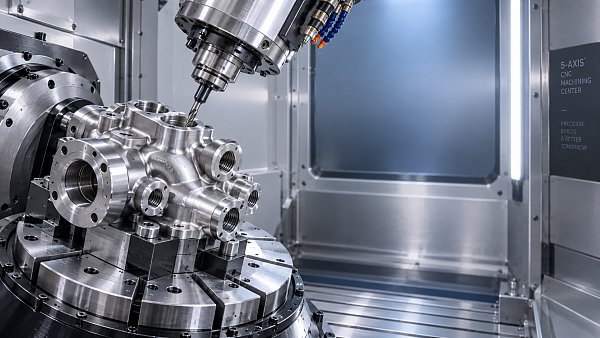
 When do CNC-machined precision components require five-axis milling?Precision components CNC machined with five-axis milling deliver better access, tighter datum control, and lower setup risk. Learn when five-axis machining is the smart choice.
 What should a restaurant POS system handle during a lunch rush?restaurantPOSsystems keep lunch rushes moving with fast ordering, smart kitchen routing, flexible payments, live inventory, and reliable service controls.
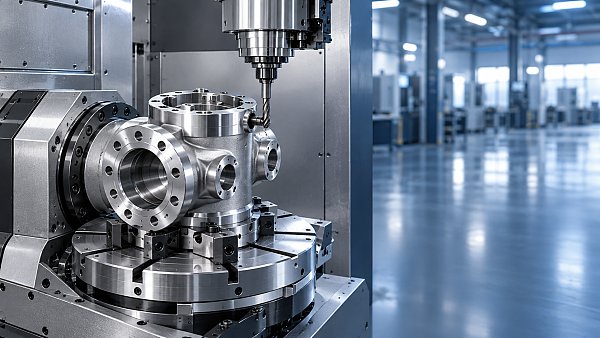
 How CNC controller cycle time speed affects machining throughputCNC controller cycle time speed can raise machining throughput by sustaining feed rates on complex toolpaths. Learn how to optimize CAM, look-ahead, and machine dynamics.
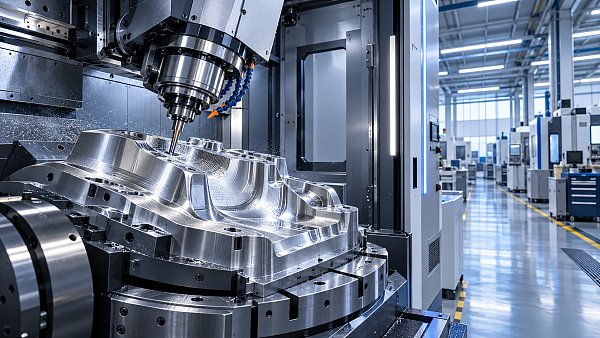
 When a 4 axis vertical machining center is the better fit than 3-axisDiscover when a 4 axis vertical machining center outperforms 3-axis machining—reduce setups, improve datum control, and boost efficiency for complex multi-face parts.
 When industrial fasteners bolts need traceable material certificationIndustrial fasteners bolts need traceable material certification for critical applications. Learn what QA teams should verify to reduce risk and ensure compliance.
 How to size pump systems for cooling circuits for stable flow ratesPump systems for cooling circuits: learn how to match flow, total dynamic head, NPSH, and controls for reliable, energy-efficient cooling performance.
 When does software as a service reduce CNC data management costs?Software as a service can lower CNC data management costs by reducing IT overhead, manual reporting, and disconnected records. Discover when SaaS delivers measurable savings.
 CNC investment trends 2026: are automation upgrades taking priority?CNC investment trends 2026 reveal why automation upgrades are reshaping capacity plans. Compare robots, pallet systems, and new machines for smarter CNC growth.
 How to size high pressure pumps for stable chemical injection ratesHigh pressure pumps sizing guide for stable chemical injection rates—learn how to balance flow range, pressure, suction conditions, materials, and controls for reliable dosing.
 When organic chemicals are suitable feedstocks for synthetic lubricantsOrganic chemicals can unlock high-performance synthetic lubricants. Learn how purity, stability, compatibility, and supply control shape reliable industrial formulations.
 What machine tool market size reveals about capital spending cyclesMachine tool market size reveals capital spending cycles through order mix, automation, replacement demand, and capacity signals. Discover what drives smarter investment decisions.
 What causes solar inverters to trip repeatedly after installationSolar inverters tripping repeatedly? Discover key causes, from grid voltage and DC faults to wiring, settings, heat, and practical troubleshooting steps.
 How a tool life calculation chart improves cutting parameter decisionsTool life calculation chart insights help optimize cutting speed, feed, and depth for predictable tool changes, better part quality, and lower machining costs.
 What to check before choosing an industrial lubricating oils factoryIndustrial lubricating oils factory selection guide: compare quality control, formulation fit, traceability, technical support, and total cost to reduce downtime risks.
 Where machine shop digital transformation delivers the fastest paybackMachine shop digital transformation delivers faster payback by reducing downtime, setup delays, quality risks, and capacity constraints with focused, measurable workflows.
 When a semiconductor manufacturing solutions provider can shorten process ramp-upA semiconductor manufacturing solutions provider can shorten ramp-up through validated hardware, change control, field support, and resilient supply chains.
 How to evaluate CNC tooling suppliers in Europe for repeatable precisionCNC tooling Europe: learn how to evaluate suppliers for repeatable precision, stable tool life, application support, traceability, and resilient delivery.










Search News
Popular Tags