
China-Uzbekistan AEO Deal Speeds Precision Exports
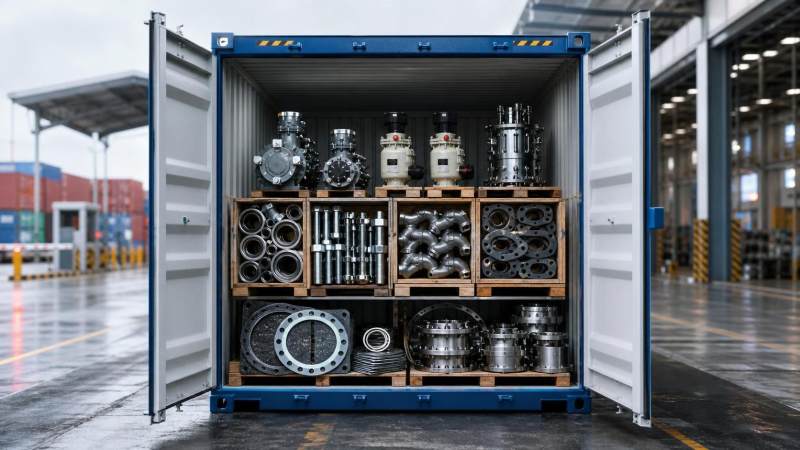
Effective August 1, 2026, China and Uzbekistan have formally implemented mutual recognition of Authorized Economic Operator (AEO) status, a customs arrangement that is set to shorten clearance times for precision engineering exports to Uzbekistan. For exporters of mechanical seals, high-strength bolts, precision castings, industrial gaskets, metering pumps, and vacuum coating equipment, the development deserves attention because it directly affects customs efficiency, inspection exposure, compliance costs, and delivery certainty in a market where manufacturing localization is moving forward.
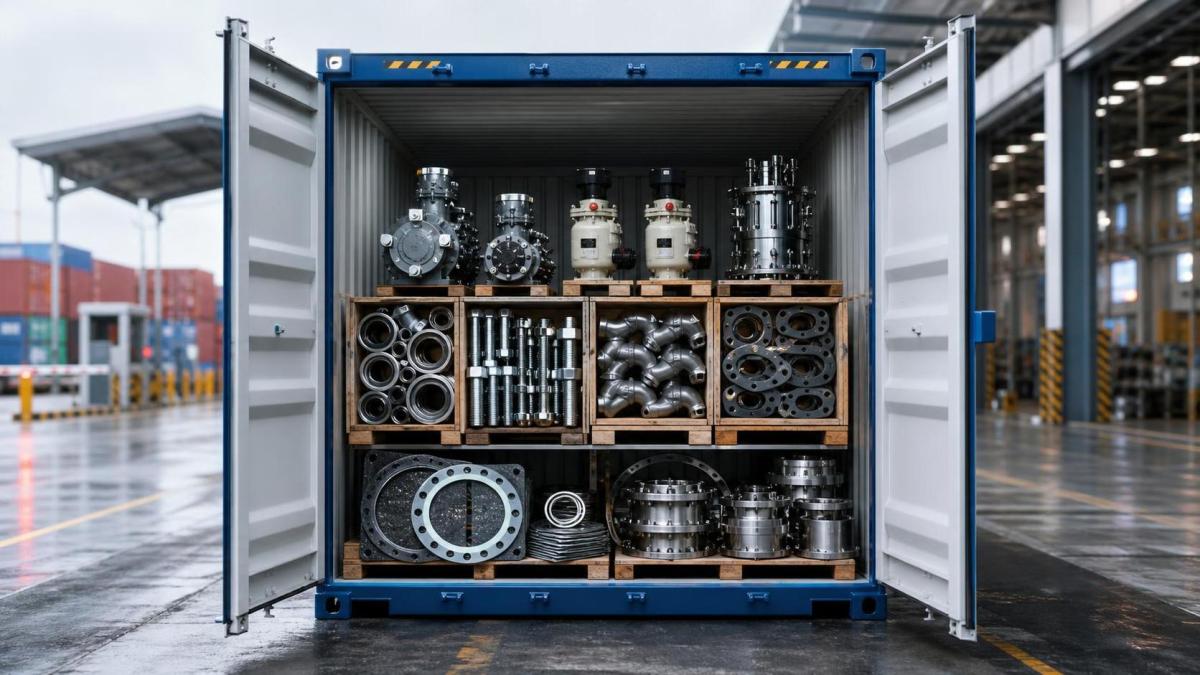
A customs change with direct implications for engineered products
According to the confirmed information provided, the China-Uzbekistan AEO mutual recognition arrangement took effect on August 1, 2026. The mechanism is expected to significantly reduce customs clearance time for high-value precision engineering products exported from China to Uzbekistan. The products specifically referenced include mechanical seals, high-strength bolts, precision castings, industrial gaskets, metering pumps, and vacuum coating equipment.
The same confirmed information states that the arrangement will help lower inspection rates and compliance costs. It also notes that Uzbekistan is accelerating manufacturing localization and that its reliance on imported high-end basic components from China is increasing.
Where the impact is likely to be felt first
Exporters of precision parts and equipment
From an industry perspective, the most immediate impact is likely to fall on companies shipping precision components and related equipment into Uzbekistan. Their exposure is concentrated in customs processing, shipment release, and delivery scheduling. What deserves closer attention is whether faster clearance translates into more reliable lead-time commitments in customer contracts and export planning.
Manufacturing suppliers serving localization demand
Suppliers tied to Uzbekistan's manufacturing localization push may see the policy matter beyond paperwork alone. Analysis shows that when a market becomes more dependent on imported high-end basic components, customs predictability becomes part of commercial competitiveness. For these suppliers, the relevant business link is not only border clearance, but also their ability to support production continuity for downstream manufacturing users.
Logistics and compliance service providers
Supply chain service providers, including customs and trade compliance teams, are also likely to be affected. Their role sits at the intersection of documentation, risk control, and shipment execution. The practical change to watch is how AEO-related handling affects inspection frequency, document readiness requirements, and communication between exporters and import-side partners.
Procurement teams and industrial buyers
For buyers sourcing precision engineering products, the arrangement may matter because delivery certainty is often as important as unit cost. Observably, the relevant change is not simply faster movement at the border, but whether sourcing decisions begin to place more weight on supplier qualifications, customs readiness, and fulfillment reliability.
What companies should track from here
Whether operational execution matches the policy signal
It is more appropriate to understand the August 1 implementation as an operational trade facilitation signal, but companies still need to distinguish between the policy framework and day-to-day customs execution. Exporters should watch for how the arrangement is reflected in actual shipment handling, processing rhythm, and clearance consistency.
Which product lines benefit most in practice
The confirmed information highlights several product categories, including mechanical seals, high-strength bolts, precision castings, industrial gaskets, metering pumps, and vacuum coating equipment. Companies active in these categories should pay closer attention to whether order cycles, dispatch timing, and customer delivery expectations begin to shift as customs procedures become more efficient.
Documentation and qualification discipline
Because the arrangement is tied to AEO mutual recognition, firms should keep focus on qualification status, document accuracy, and internal compliance discipline. In practical terms, supplier credentials, shipping documents, and customs-facing information may become more visible factors in whether the expected efficiency gains are realized smoothly.
Customer communication and delivery planning
Businesses serving Uzbek customers should also review how they communicate delivery windows and contingency planning. Analysis shows that when customs clearance becomes more predictable, buyers may adjust expectations accordingly. That makes commercial communication, lead-time setting, and order coordination more important, not less.
Why this looks like more than a short-lived procedural update
Observably, this development carries both short-term and longer-term meaning. In the short term, it points to faster customs handling, lower inspection exposure, and reduced compliance friction for covered trade flows. In the longer term, it signals that delivery assurance is becoming a sharper competitive factor for Chinese suppliers serving Uzbekistan's industrial upgrading and localization needs.
At the same time, analysis shows this should not yet be read as a complete market outcome. The confirmed facts support a clearer customs pathway, but they do not by themselves prove uniform benefits across every exporter, shipment type, or product segment. Continued observation is still necessary.
How the market may read the August 1 implementation
For the industry, the significance of this update lies in the connection between trade facilitation and industrial supply reliability. It is more appropriate to understand the China-Uzbekistan AEO mutual recognition arrangement as a meaningful operational signal with direct relevance to precision engineering exports, rather than as a standalone headline with immediate universal effects. The strongest near-term value is likely to be improved predictability for companies already active in the Uzbekistan market or preparing to deepen supply relationships there.
Basis of this article and what still needs verification
This article is based on the user-provided news title, event date, and event summary concerning the August 1, 2026 implementation of China-Uzbekistan AEO mutual recognition. For developments of this type, source categories typically associated with verification include official customs notices, government announcements, company disclosures, industry association updates, authoritative media coverage, and relevant trade or standards documentation.
No specific official source link was provided in the input, so the exact official publication path still requires ongoing verification. Follow-up attention should focus on any further official wording, implementation details, and evidence of how the arrangement is functioning in actual export and customs operations.
Recommended News
 How to Evaluate an Aerospace Seals Supplier for Material Traceability and Compliance RequirementsAerospace seals supplier selection starts with traceability and compliance. Learn how to assess records, cert control, and audit readiness before costly sourcing mistakes.
 What Affects Precision Die Casting for Automotive Parts: Tolerance, Porosity, and Tooling LifePrecision die casting for automotive parts depends on tight tolerance control, low porosity, and long tooling life. Learn the key risks, quality factors, and process insights that improve reliability.
 How to Choose an Automatic Tool Changer for a CNC Router Based on Spindle Type and Tool CountAutomatic tool changer for CNC router selection starts with spindle type and tool count. Learn how to compare ISO30, HSK, and magazine options for faster, more reliable production.
 China-Uzbekistan AEO Deal Speeds Precision ExportsChina-Uzbekistan AEO Deal speeds precision exports by cutting clearance time and compliance costs, helping exporters boost delivery reliability in Uzbekistan’s growing industrial market.
 How to Choose a Machine Tool Spindle for Grinding by Speed, Runout, and LoadMachine tool spindle for grinding selection made simple: learn how speed, runout, and load affect accuracy, finish, heat, and spindle life for smarter buying decisions.
 What Limits Next-gen Wireless Charging Fast Charging in Real Devices?Next-gen wireless charging fast charging sounds impressive, but real devices face limits from heat, alignment, battery safety, and efficiency—discover what truly slows peak speeds.
 Industrial Procurement Compliance Checklist: Supplier Risk, Documentation, and Audit ReadinessIndustrial procurement compliance checklist covering supplier risk, document control, traceability, and audit readiness—learn how to prevent spec drift and strengthen sourcing decisions.
 FDA Sets New Validation Rule for Metal CleanersFDA Sets New Validation Rule for Metal Cleaners: learn how the 2026 FDA update impacts importers, exporters, and supply chains, with key deadlines, testing requirements, and border compliance risks.
 Christmasdecorationswholesale Pricing: What Drives MOQ, Shipping Costs, and Seasonal MarginsChristmasdecorationswholesale pricing explained: discover how MOQ, packaging, materials, shipping, and timing shape true landed costs and seasonal margins before you source.
 What VR Training Gets Wrong in Industrial Safety and How to Measure Real Skill TransferVR training can look impressive, but does it improve real industrial safety? Learn what VR gets wrong, how to measure true skill transfer, and which metrics prove safer performance on the job.
 How to Compare Vacuum Pump Systems for Flow Rate, Vacuum Level, and Maintenance LoadVacuum pump systems compared by flow rate, vacuum level, and maintenance load. Learn how to choose the right setup for reliable performance, lower downtime, and smarter lifecycle cost.
 ECHA Adds 12 SVHCs Used in Metalworking FluidsECHA Adds 12 SVHCs Used in Metalworking Fluids, triggering new SCIP notification duties for EU importers from Nov 1, 2026. See key impacts, compliance risks, and supply chain actions.
 How to Compare an Exporters Directory With Fast Delivery for Lead Time and Supply RiskExporters directory with fast delivery: compare real lead time, RFQ response, documentation, and supply risk—not just shipping speed. Learn smarter supplier screening.
 What OEM Manufacturing Support CE Compliance Should Cover Before Product LaunchOEM manufacturing support CE compliance should cover scope, risk review, technical files, traceability, testing, and supplier control before launch—learn what prevents costly EU market delays.
 Advanced CNC Machining Stainless Steel: How Tolerances Affect Seal PerformanceAdvanced CNC machining stainless steel directly impacts seal reliability. Learn how tolerances, surface finish, and inspection control leakage, wear, and performance.
 FDA Updates Metal Cleaner Guidance on SVHC DisclosureFDA updates metal cleaner guidance with new SVHC disclosure expectations for U.S. food-contact exports. Learn the deadline, import risks, and supplier actions now.
 Thermosets vs Thermoplastics: Which Holds Up Better Under Heat and LoadThermosets vs thermoplastics: discover why thermosets often deliver better heat resistance, creep control, and dimensional stability under load—essential insights for smarter material selection.
 What Shapes Industrial Fastening Costs in Europe Beyond Unit PriceIndustrial fastening Europe costs go far beyond unit price. Discover how compliance, coatings, lead times, quality, and supply risk shape smarter sourcing decisions.
 How to Choose Industrial Workwear for Heat, Chemicals, and Arc Flashindustrialworkwear selection guide for heat, chemical exposure, and arc flash. Learn how to compare certifications, comfort, and real-site risks to choose safer, compliant PPE.
 EN 14982:2026 Tightens Cryogenic Valve RulesEN 14982:2026 tightens cryogenic valve rules for EU exports, adding liquid hydrogen scope, stricter Leak Zero testing, and third-party durability proof. See who’s affected.
 Production Line Components for Packaging That Affect Speed, Downtime, and ChangeoversProduction line components for packaging directly impact speed, downtime, and changeovers. Learn which components improve uptime, throughput, and ROI in modern packaging lines.
















Search News
Popular Tags