
How Can I Assess Chemical Compatibility Before Purchasing?
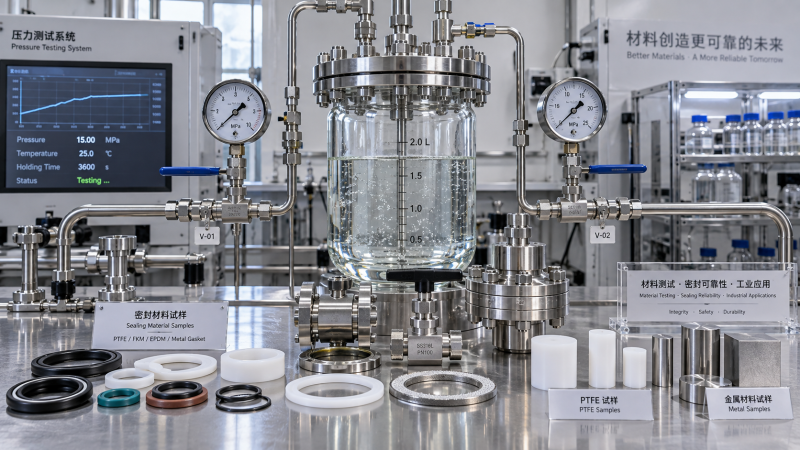
A chemical compatibility assessment should begin with the real process fluid and the exact conditions at the wetted surface. A material that performs well in a neutral liquid at room temperature can corrode, swell, crack, or contaminate a process when concentration, temperature, pressure, oxygen content, or cleaning chemistry changes. Before purchasing a pump, valve, seal, fitting, fastener, tank component, lubricant, or machined part, convert the application into a defined exposure profile and compare that profile against material evidence rather than relying on a general statement such as “chemical resistant.”
The first question is not simply, “What chemical is involved?” It is, “What will touch each material, in what form, and under what operating cycle?” The answer often reveals that one assembly contains several separate compatibility problems: a metal body, elastomeric O-rings, a PTFE seat, adhesive-bonded elements, protective coatings, grease, and threaded fasteners may all see the same medium differently.
Define the fluid beyond its trade name
Request the chemical name, concentration range, safety data sheet, and any process information that changes the mixture. Trade names and broad labels such as “solvent,” “coolant,” “detergent,” or “acid wash” are not sufficient selection inputs. A cleaning agent may contain surfactants, oxidizers, chlorides, or solvents that are absent from the headline ingredient. A hydraulic fluid may contain additive packages that affect paint, seal compounds, or polymer reservoirs. A water-based process fluid can become more aggressive after evaporation concentrates dissolved salts.
Identify whether the exposure is continuous, intermittent, immersed, splashed, vapor-phase, or limited to occasional cleaning. Vapor can be more damaging than the bulk liquid when it condenses in a crevice or at a cooler flange. A component exposed only during shutdown cleaning needs review against both the process medium and the cleaning medium. Compatibility should also include likely upset conditions, such as a stronger batch concentration, a flushing solvent, a high-temperature sterilization cycle, or accidental mixing during transfer.
Where mixtures are proprietary, obtain a compatibility statement from the chemical producer that names the material grades under consideration. If that is unavailable, treat the formulation as unverified rather than assuming that compatibility with one constituent proves compatibility with the blend.
Build an exposure profile before comparing materials
Compatibility tables are useful screening tools, but their ratings are usually simplified. They rarely capture the exact grade, stress condition, surface state, or fluid contamination found in service. Build a short technical record containing the conditions below. It becomes the basis for communication with component suppliers, material specialists, and laboratories.
- Fluid identity and concentration: include normal operation, maximum credible concentration, impurities, dissolved salts, solids, and expected oxidation or degradation products.
- Temperature range: record operating temperature, start-up peaks, heat tracing, cleaning temperature, and local hot spots near bearings, seals, or pump heads.
- Pressure and flow conditions: distinguish static containment from high-velocity circulation, pressure cycling, vacuum service, cavitation, and abrasive slurry movement.
- Contact time: a gasket exposed for ten minutes during cleaning faces a different duty from one compressed in the same fluid for years.
- Mechanical loading: note tensile stress, bolt preload, cyclic bending, vibration, wear, and whether an elastomer is dynamically sliding or simply sealing a stationary joint.
- Assembly details: include dissimilar-metal contact, crevices, welds, thread compounds, lubricants, coatings, and residual machining fluids.
Temperature deserves particular attention. Chemical attack often accelerates as temperature rises, while polymers may soften, lose tensile strength, or absorb chemicals more rapidly. A material rating based on ambient immersion should not be extended automatically to a heated line, a hot pump casing, or a steam-cleaned assembly. Thermal cycling also changes seal compression and can introduce small gaps where concentrated liquid remains trapped.
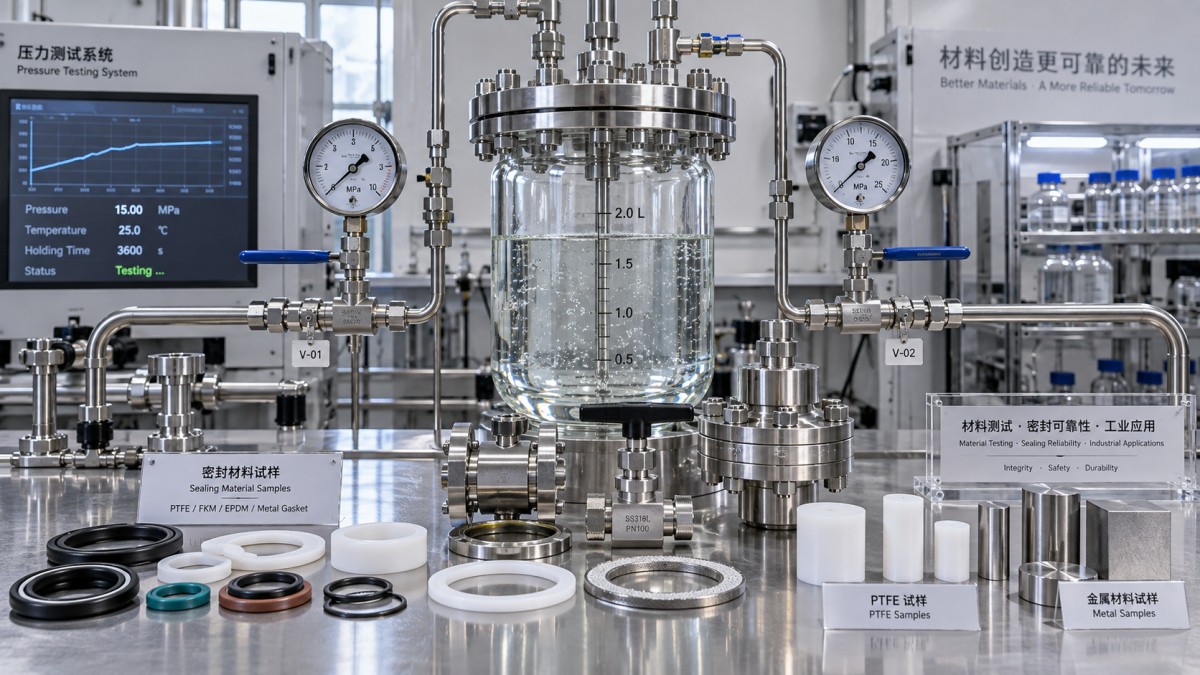
Separate the failure mechanisms
“Incompatible” does not describe a single type of failure. The likely mechanism determines which evidence is relevant and what inspection criteria should be specified.
For metals, corrosion resistance is not a fixed property of a family name. Stainless steels, nickel alloys, aluminum alloys, copper alloys, carbon steel, and titanium each have useful operating envelopes, but composition alone is incomplete. Chlorides can drive localized attack on some stainless grades; strong oxidizing media may change the preferred alloy; reducing acids can behave differently from oxidizing acids. A nominally corrosion-resistant alloy can still fail at threaded joints, under deposits, within a gasket crevice, or beside a less noble mating metal.
Surface condition matters because machining, grinding, welding, heat tint, embedded foreign material, and incomplete cleaning can alter the first point of attack. A precision-machined sealing face also needs the correct roughness and lay for its seal type. Improving corrosion resistance through a different alloy does not correct a leakage path caused by a damaged finish or incompatible seal geometry.
Do not treat polymers and elastomers as generic materials
A request for “rubber seals” or “plastic tubing” leaves too much unspecified. Elastomer compatibility varies by compound, fillers, plasticizers, hardness, and service temperature. Two seals with the same broad polymer designation can perform differently in a solvent-rich, high-temperature, or cyclic-pressure application. Ask for the actual material designation and, when necessary, a compound-level confirmation from the seal producer.
Swelling is especially easy to misread. Some volume change may be tolerable in a static gasket if sealing force remains adequate. The same swelling in a dynamic rotary seal can increase friction, generate heat, damage the lip, and lead to rapid leakage. Conversely, shrinkage can reduce squeeze and create a leak path even when the material otherwise looks intact. Weight change, hardness change, tensile retention, compression set, and dimensional stability give a more useful picture than appearance alone.
Fluoropolymer components are often selected for broad chemical resistance, yet they are not automatically suitable for every duty. Their mechanical behavior, cold flow tendency, permeation characteristics, temperature range, and need for energized sealing geometry must be considered. Similarly, an engineering thermoplastic with good resistance to a fluid may crack when molded-in stress, external load, or a specific surfactant is present.
Account for the component, not only the material coupon
Material immersion data is a starting point. Actual hardware introduces geometry and operational effects that a flat coupon test does not represent. A pump can expose an O-ring to pressure pulses, frictional heating, solids, shaft runout, and brief dry-running. A valve seat can see throttling velocity and localized pressure drop. A fastener may remain under sustained tensile preload while condensate enters its threads. These conditions change both the failure mode and the appropriate validation method.
For a sealed assembly, map every wetted item and every item that may contact vapor or condensate. Include body material, impeller or rotor, shaft, sleeve, seal faces, secondary seals, gaskets, valve seats, diaphragms, hoses, sight glasses, adhesive joints, coatings, and installation lubricants. A pump body selected for the chemical is of limited value if its elastomer diaphragm or mechanical-seal secondary O-ring is unsuitable.
Pressure should be evaluated alongside temperature and mechanical clearance. A chemically resistant elastomer can extrude through an excessive gap under pressure. A plastic component may creep under long-term load even without visible chemical degradation. A corrosive medium that removes material from a threaded fitting changes load distribution and can cause joint failure before a leak is visible.
Use standards as a framework, not as a substitute for service evidence
ISO, ASTM, DIN, ASME, JIS, and related standards can define material identity, dimensions, testing methods, pressure design principles, or acceptance criteria. They are valuable for ensuring that a stated alloy, polymer, test method, or component interface is unambiguous. They do not, by themselves, certify a complete assembly for an unspecified chemical duty.
When a quotation cites a standard, verify what that reference actually covers. It may describe the chemical composition of a metal, the dimensions of a flange, or a method for measuring elastomer properties after exposure. It may not address the exact fluid concentration, the process temperature, a mixed chemical stream, or dynamic seal behavior. A valid assessment links the standard reference to the actual operating envelope and component construction.
For critical service, require traceability to the material grade and confirmation that substitutions cannot be made without review. Equivalent wording can conceal meaningful changes in alloy composition, polymer compound, coating system, or seal configuration. The same control should apply to spare parts, where an apparently minor O-ring or gasket substitution can alter the compatibility of the whole assembly.
Resolve uncertainty with proportionate testing
When published data is incomplete, contradictory, or outside the intended conditions, a controlled exposure test is more reliable than extrapolation. The test should use the real fluid or a justified representative mixture, the upper operating temperature, expected exposure duration, and a specimen that reflects the stressed condition where practical. A free polymer coupon can reveal chemical absorption, but it cannot fully predict a compressed seal under pressure.
Define pass and fail criteria before testing. Relevant measures may include mass and dimensional change, hardness, tensile-property retention, visual cracking, corrosion depth, pitting, leakage, torque change, surface roughness, or contamination release. For an assembled valve or pump seal, a pressure hold, cycle test, or dynamic run test may be needed after exposure. Test duration should reflect the decision being made; a brief screening test is not evidence for extended service life.
Testing should also examine the interface between materials. Galvanic corrosion requires an electrically connected pair, an electrolyte, and conditions that support the reaction. Crevice corrosion requires a restrictive geometry and a suitable environment. Neither risk is captured adequately by testing isolated coupons in an open container.
Questions that prevent a weak purchase specification
Before releasing an order, the technical requirement should state the fluid, concentration range, temperature range, pressure, exposure pattern, and all wetted material grades. It should identify seal compounds instead of saying only “chemical-resistant elastomer,” and it should name internal coatings or lubricants that could contact the process. Where a component has multiple configurations, specify the selected trim, diaphragm, seat, seal-face, or hose-liner construction.
Ask whether compatibility information applies to immersion, splash, vapor, or dynamic service; whether the stated temperature is continuous or intermittent; and whether the material is suitable for cleaning and flushing chemicals as well as the main process fluid. Clarify whether the supplier’s statement refers to the bulk material or the finished assembly. These questions are concise, but they expose many assumptions hidden in generic datasheets.
A defensible decision records both the evidence and its boundaries: published resistance data, material certificates where needed, supplier confirmation, test results, and any assumptions about concentration or temperature. That record remains useful when process conditions change, replacement parts are ordered, or an unexpected leak or corrosion pattern needs investigation. Chemical compatibility is strongest when it is treated as a defined service condition attached to every wetted material, rather than as a broad label attached to the equipment.
Recommended News
 How to verify CE certification for industrial pumps before installationIndustrial pumps CE certified? Learn how to verify declarations, documentation, hazardous-area suitability, and installation compliance before commissioning.
 How to compare a plasma cutting machine supplier before placing an orderCompare a plasma cutting machine supplier with confidence—evaluate cut quality, total cost, consumables, and after-sales support before you order.
 Which factory upgrade projects benefit most from industrial technology solutions?Industrial technology solutions factory upgrade projects deliver the most value when they remove bottlenecks, cut downtime, improve quality, and strengthen resilience. Explore high-impact priorities.
 When a high precision CNC grinding machine justifies its costDiscover when a high precision CNC grinding machine delivers real ROI through repeatable quality, lower scrap, faster verification, and controlled production.
 When do industrial lubricants for compressors need oil analysis?Industrial lubricants for compressors need oil analysis at baseline, under harsh operating conditions, and after warning signs. Learn how testing prevents downtime and protects equipment.
 How CNC controller processing speed affects cycle times in EuropeCNC controller processing speed Europe: discover how look-ahead, interpolation and CAM optimisation can cut cycle times while protecting precision and surface quality.
 What to verify before using supplier sourcing solutions in EuropeSupplier sourcing solutions Europe: verify capabilities, compliance, traceability, total cost, and supply resilience before choosing reliable industrial partners.
 When smart fabrics are reliable enough for industrial wearablesSmart fabrics for industrial wearables: learn how to validate durability, signal quality, cleaning resilience, and safe failure performance before deployment.
 How supply chain management for exporters reduces customs delaysSupply chain management for exporters helps prevent customs delays with accurate data, origin checks, importer readiness, and proactive shipment controls. Explore practical strategies now.
 What to verify before approving an OEM electronics supplierOEM electronics supplier approval checklist: verify BOM control, traceability, testing, sourcing risk, capacity, and commercial terms before committing to volume production.
 When do CNC-machined precision components require five-axis milling?Precision components CNC machined with five-axis milling deliver better access, tighter datum control, and lower setup risk. Learn when five-axis machining is the smart choice.
 What should a restaurant POS system handle during a lunch rush?restaurantPOSsystems keep lunch rushes moving with fast ordering, smart kitchen routing, flexible payments, live inventory, and reliable service controls.
 How CNC controller cycle time speed affects machining throughputCNC controller cycle time speed can raise machining throughput by sustaining feed rates on complex toolpaths. Learn how to optimize CAM, look-ahead, and machine dynamics.
 When a 4 axis vertical machining center is the better fit than 3-axisDiscover when a 4 axis vertical machining center outperforms 3-axis machining—reduce setups, improve datum control, and boost efficiency for complex multi-face parts.
 When industrial fasteners bolts need traceable material certificationIndustrial fasteners bolts need traceable material certification for critical applications. Learn what QA teams should verify to reduce risk and ensure compliance.
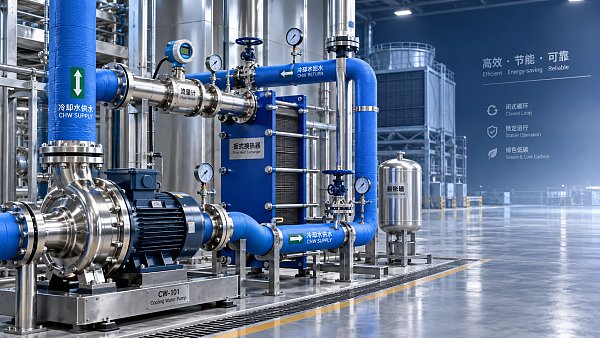
 How to size pump systems for cooling circuits for stable flow ratesPump systems for cooling circuits: learn how to match flow, total dynamic head, NPSH, and controls for reliable, energy-efficient cooling performance.
 When does software as a service reduce CNC data management costs?Software as a service can lower CNC data management costs by reducing IT overhead, manual reporting, and disconnected records. Discover when SaaS delivers measurable savings.
 CNC investment trends 2026: are automation upgrades taking priority?CNC investment trends 2026 reveal why automation upgrades are reshaping capacity plans. Compare robots, pallet systems, and new machines for smarter CNC growth.
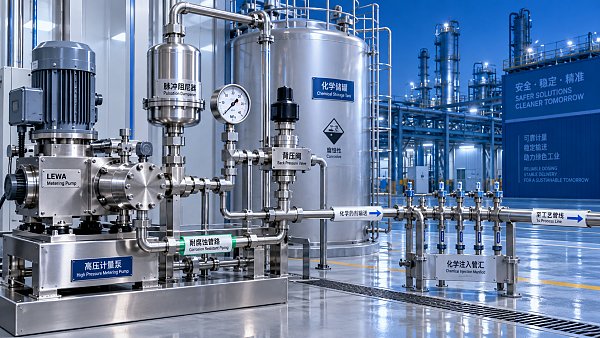
 How to size high pressure pumps for stable chemical injection ratesHigh pressure pumps sizing guide for stable chemical injection rates—learn how to balance flow range, pressure, suction conditions, materials, and controls for reliable dosing.
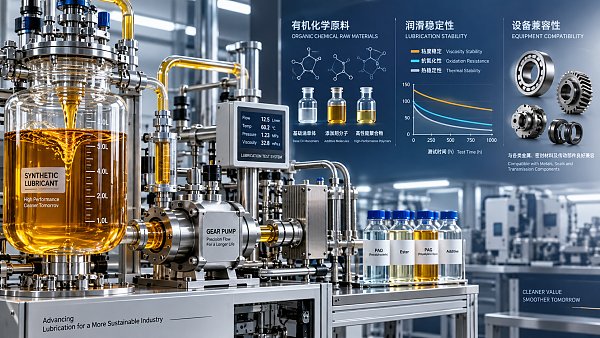
 When organic chemicals are suitable feedstocks for synthetic lubricantsOrganic chemicals can unlock high-performance synthetic lubricants. Learn how purity, stability, compatibility, and supply control shape reliable industrial formulations.
 What machine tool market size reveals about capital spending cyclesMachine tool market size reveals capital spending cycles through order mix, automation, replacement demand, and capacity signals. Discover what drives smarter investment decisions.












Search News
Popular Tags