
Carbide Inserts Wholesale: Where Cheap Prices Add Cost
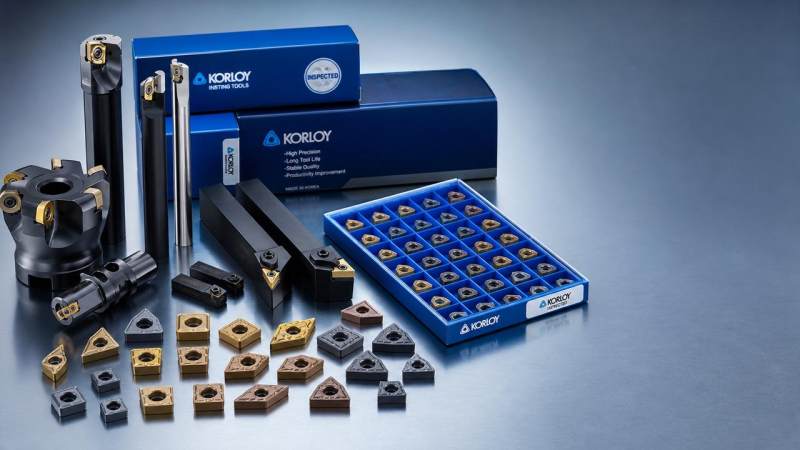
Carbide inserts wholesale can look like an easy way for procurement teams to cut unit costs, but the lowest quote often hides higher risks in tool life, machining stability, delivery consistency, and total cost of ownership. For buyers responsible for performance and uptime, understanding where cheap prices add cost is essential to making sourcing decisions that protect both production efficiency and long-term value.
Why procurement teams should use a checklist before choosing carbide inserts wholesale
For machining buyers, a quote is never just a price. In carbide inserts wholesale, one low number can mask multiple hidden variables: unstable substrate quality, inconsistent coating adhesion, inaccurate chipbreaker geometry, poor batch repeatability, and unpredictable lead times. Each of these issues can raise cost far beyond the initial savings through scrap, machine stoppage, extra tool changes, operator intervention, and delayed shipments.
A checklist-based sourcing process helps procurement compare suppliers on measurable value rather than marketing claims. It also makes cross-functional decisions easier, because purchasing, production, tooling engineers, quality teams, and plant managers can all review the same criteria. In practice, this is the fastest way to determine whether cheap carbide inserts wholesale pricing reflects genuine efficiency or simply transfers cost into the factory.
First-pass checklist: what to confirm before you compare prices
Before negotiating carbide inserts wholesale terms, buyers should confirm the following points in sequence. This avoids wasting time on suppliers that look attractive on paper but cannot support real production needs.
- Check the actual machining application: material grade, hardness range, dry or wet cutting, spindle capability, tolerance expectations, and target surface finish.
- Verify insert specification accuracy: ISO code, shape, size, thickness, corner radius, chipbreaker design, hand orientation, and coating type.
- Request performance evidence: tool life comparison, cutting parameter recommendations, wear pattern images, and customer application references.
- Review consistency indicators: lot traceability, quality inspection records, dimensional tolerance control, and coating process stability.
- Confirm supply capability: regular stock levels, lead time reliability, emergency replenishment, and packaging suitable for export and storage.
- Calculate total cost, not unit cost: expected parts per edge, cycle time impact, changeover frequency, and scrap risk.
- Evaluate technical support: speed and feed guidance, troubleshooting ability, trial support, and responsiveness after delivery.
This first-pass screening is especially important for procurement teams serving high-value industrial customers, where one unstable insert can affect an entire machining cell. A supplier with slightly higher pricing may still be the lower-cost option if it offers better repeatability and process reliability.
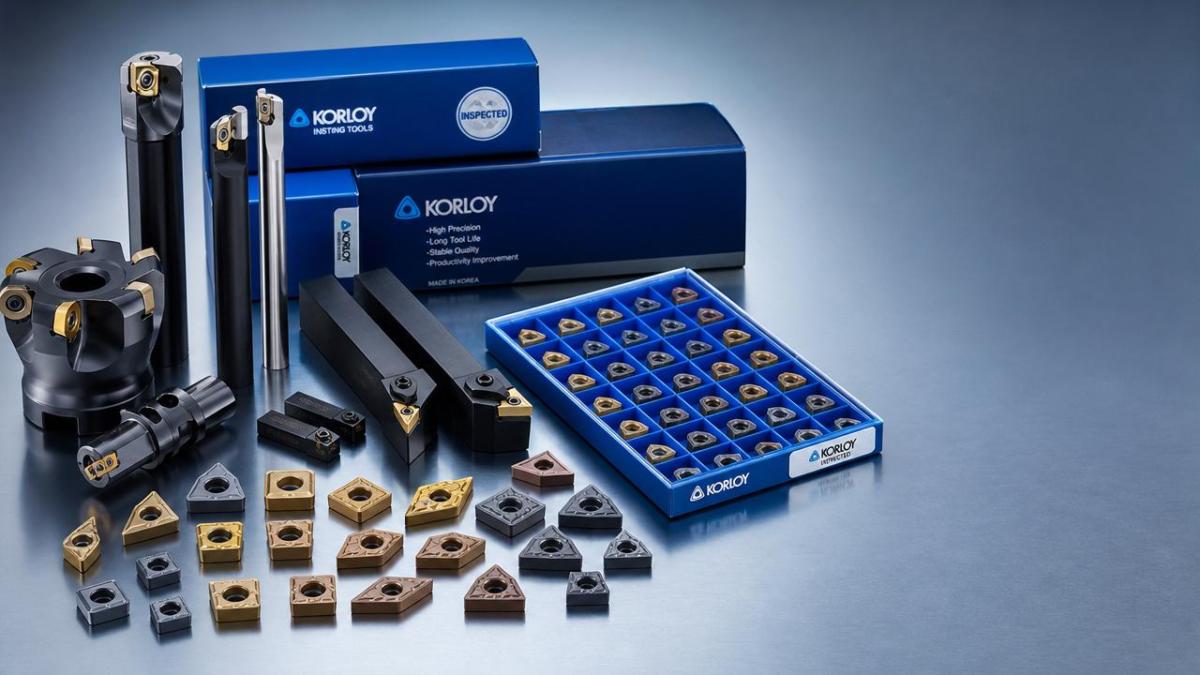
Core judging standard: where cheap carbide inserts wholesale usually add hidden cost
The most common mistake in carbide inserts wholesale purchasing is assuming that all inserts with similar dimensions will perform similarly. In reality, hidden cost usually enters through five channels.
1. Shorter tool life than quoted
A cheap insert may look acceptable in a sample run but fail early in continuous production. If edge wear develops too quickly, the real cost rises through more frequent indexing, extra downtime, and reduced labor efficiency. Buyers should ask for expected tool life by workpiece material and compare cost per machined part, not cost per insert.
2. Process instability and variable surface quality
Low-cost carbide inserts wholesale offers often hide poor edge preparation or inconsistent chipbreaker geometry. This can create chatter, poor chip evacuation, unstable cutting forces, and drifting surface finish. For procurement, the warning sign is any supplier that cannot explain which insert geometry fits roughing, semi-finishing, or finishing conditions.
3. Higher scrap and rework risk
If insert dimensions are inconsistent across batches, precision parts can move out of tolerance even when machine settings remain unchanged. In sectors where material cost is high, one batch of unstable inserts can erase all savings. This is especially true in stainless steel, heat-resistant alloys, hardened steels, and aerospace or energy components.
4. Delivery inconsistency
A low quote has limited value if the supplier cannot maintain regular supply. Procurement teams should assess whether the carbide inserts wholesale partner has stable manufacturing capacity, safety stock, and realistic export timelines. Production planners often discover too late that low-cost suppliers deliver well once, then miss replenishment windows.
5. Weak technical service after purchase
When inserts fail in machining, the supplier’s response speed matters. A vendor that only sells on price but cannot interpret wear patterns, optimize cutting parameters, or recommend alternative grades becomes a cost center. For industrial buyers, technical backup is part of the product value.
A practical comparison table for carbide inserts wholesale evaluation
Use the table below as a fast reference when comparing quotations. It helps turn a price discussion into a purchasing decision based on risk, output, and total ownership cost.
Different buying scenarios require different priorities
Not every carbide inserts wholesale decision should be judged by the same priority list. Buyers should adjust evaluation criteria based on production environment.
For high-volume production lines
Prioritize batch consistency, predictable tool life, and uninterrupted supply. Even a small change in insert behavior can multiply across thousands of parts. In this setting, repeatability is usually more valuable than the lowest purchase price.
For job shops and mixed-material environments
Flexibility matters more. Buyers should focus on grade versatility, technical support, and clear application recommendations. A cheap insert that only performs in narrow conditions may increase setup time and reduce machine utilization.
For critical-tolerance components
Dimensional stability, edge integrity, and wear predictability become top priorities. Carbide inserts wholesale purchases for precision applications should include stronger incoming inspection and trial validation before full-volume release.
Commonly overlooked risks that procurement should flag early
Some of the most expensive problems in carbide inserts wholesale do not appear in quotations at all. Procurement teams should actively check for these warning signs:
- No clear lot traceability, making root-cause analysis difficult when quality issues appear.
- Incomplete packaging or weak labeling, which increases storage mix-up risk in large tool rooms.
- No documented equivalency to mainstream grades, forcing the plant to spend more on trials.
- Aggressive sample performance that cannot be maintained in regular batches.
- Quotations that exclude coating details, recommended applications, or realistic lead times.
- Suppliers that cannot support claim resolution with technical evidence.
Execution guide: how to source carbide inserts wholesale without buying hidden cost
A disciplined sourcing process can reduce both commercial risk and shop-floor disruption. Buyers can follow this sequence:
- Define the application clearly, including machine type, material, tolerance, coolant condition, and monthly consumption.
- Shortlist suppliers based on technical fit, not just quote level.
- Request samples from the same production lot intended for wholesale supply.
- Run controlled comparisons against current inserts using the same cutting conditions.
- Measure cost per part, machine downtime, tool change frequency, and part quality outcomes.
- Audit delivery capability, communication speed, and complaint handling process before contract award.
- Release business in stages, starting with low-risk applications before critical production lines.
This approach reflects the same disciplined industrial logic used across advanced manufacturing: measurable performance, standards-based verification, and resilient sourcing. For procurement leaders, the goal is not simply to buy carbide inserts wholesale at a cheap number, but to secure dependable cutting performance that supports throughput, quality, and planning confidence.
FAQ for buyers evaluating carbide inserts wholesale
Is the lowest carbide inserts wholesale quote ever the best option?
Only if the supplier can prove equivalent or better tool life, consistency, and supply reliability. Otherwise, a lower quote often creates a higher total cost of ownership.
What is the most important metric for procurement comparison?
Cost per machined part is usually the most useful metric, because it combines insert price, tool life, and process stability into one practical number.
What documents should buyers request first?
Ask for specification details, application recommendations, quality inspection records, lot traceability information, lead time commitment, and trial support terms.
Final purchasing advice and next-step questions
When reviewing carbide inserts wholesale options, procurement should treat cheap pricing as a starting signal for deeper validation, not as proof of value. The right supplier is the one that can align grade selection, machining performance, quality consistency, and replenishment reliability with your production goals.
If your team is moving toward a new sourcing decision, prioritize these next-step questions: Which materials and operations consume the most inserts today? What is the current cost per part? Which failures cause the most downtime or scrap? What tolerance and finish requirements are non-negotiable? What lead time buffer does your plant actually need? And what technical support response time is acceptable when production is at risk? Answering those questions first will make any carbide inserts wholesale discussion far more effective, commercially sound, and operationally safe.
Recommended News
 When should wind turbine parts be replaced instead of repaired?Wind turbine parts: learn when replacement is safer than repair, how to reduce repeat failures, protect uptime, and make smarter maintenance decisions.
 What to verify before choosing a coolant flow rate and pressure supplierCoolant flow rate and pressure supplier selection guide: verify duty points, pump curves, filtration, controls and service support for reliable machining performance.
 How mold design choices affect cooling time in injection moldingDiscover how mold design affects injection molding cooling time, part stability, cycle efficiency, and long-term production quality with practical engineering insights.
 Machine tool standards alerts that require 5-axis safety procedure updatesMachine tool standards alerts can trigger critical 5-axis safety procedure updates. Learn which changes demand action to protect operators, equipment, and production uptime.
 Does manufacturing standards compliance for semiconductors affect EDM tool approval?Manufacturing standards compliance for semiconductors shapes EDM tool approval through traceability, validation, contamination control, and inspection. Learn what proves reliable capability.
 Which medical grade materials withstand repeated sterilization in pumps?Medical grade materials for sterilizable pumps: compare 316L, PEEK, PPSU, PTFE, silicone, and EPDM for steam, radiation, and chemical resistance.
 What G-code compatibility issues arise when moving to 5-axis centers?G code compatibility issues in 5-axis centers can affect TCP, rotary limits, feeds, and safety. Learn how to validate programs before production.
 Can custom mailer boxes reduce damage costs in subscription shipping?Custommailerboxes can lower subscription shipping damage costs through right-sizing, protective inserts, stronger materials, and efficient pack-out. Discover how to reduce claims and improve delivery performance.
 How to assess a lubricants manufacturer's batch traceabilityLubricants manufacturer batch traceability: learn how to audit records, controls, CoAs, packaging, and recall readiness to reduce supply risk and protect uptime.
 When solar inverters should be replaced instead of repairedSolar inverters: learn when recurring faults, obsolete parts, safety damage, and rising lifecycle costs make replacement smarter than repair.
 What to verify before choosing a first aid kits distributorFirst aid kits distributor checklist: verify compliance, traceability, expiry control, replenishment, and multi-site delivery before choosing a reliable supplier.
 How mold engineering design reduces warpage in thin-wall partsMold engineering design reduces thin-wall part warpage through balanced gating, cooling, packing, and ejection for stable, production-ready precision.
 What to audit at a CNC machine tools factory before approving a supplierCNC machine tools factory audit guide: verify machining accuracy, metrology, traceability, workforce skills, and capacity resilience before approving a precision supplier.
 When does a horizontal boring machine with ATC justify its cost?Discover when a horizontal boring machine with ATC delivers ROI through faster setups, higher uptime, lower labor costs, and reliable capacity growth.
 How office acoustics affect speech privacy in open-plan workspacesOffice acoustics shape speech privacy in open-plan workspaces. Discover practical strategies for reducing distractions, protecting sensitive conversations, and improving focus.
 Can AI in precision engineering for aerospace applications improve defect detection?AI in precision engineering for aerospace applications improves defect detection through smarter inspection, traceable workflows, and early process-drift alerts. Explore proven deployment strategies.
 Using a supplier capability evaluation framework to screen CNC suppliersSupplier capability evaluation framework for screening CNC suppliers: verify quality, traceability, capacity, and resilience to select reliable partners.
 When supplier capability evaluation services reduce tooling project riskSupplier capability evaluation services help reduce tooling project risk by verifying technical fit, quality controls, capacity, and delivery readiness before costly delays occur.
 How can a trade network help distributors enter new regional markets?Trade network strategies help distributors enter regional markets with verified partners, local insights, technical fit, and reliable logistics for faster, lower-risk growth.
 Does private label manufacturing contract assembly reduce launch risk?Private label manufacturing contract assembly can reduce launch risk with proven quality systems, traceability, supplier validation, and scalable production control.
 When do e-readers make sense for a distraction-free work library?E-readers for focused work libraries: discover when they improve deep reading, technical document review, security, and distraction-free research workflows.














Search News
Popular Tags