
EDM Machine OEM Supplier Delays Often Start Before Production
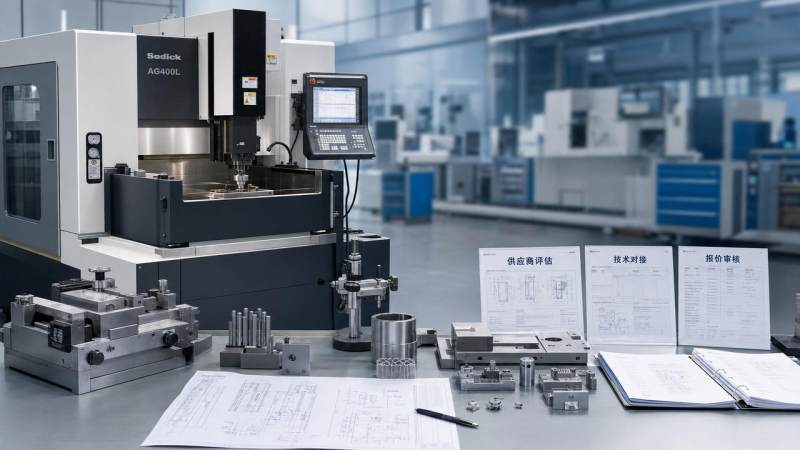
Many project delays blamed on manufacturing actually begin much earlier—during supplier evaluation, technical alignment, and quotation review. For project leaders sourcing an edm machine oem supplier, missing risks in communication, capacity planning, or engineering validation can trigger costly schedule slips before production even starts. Understanding these hidden causes is essential to protecting delivery timelines, quality targets, and procurement confidence.
Why do delays with an edm machine oem supplier often begin before production starts?
For many engineering projects, the visible delay appears when the factory misses a shipment date. In reality, the root cause often starts weeks earlier. An edm machine oem supplier may look qualified on paper, provide a fast quotation, and still become a scheduling risk if the pre-production phase is weak. This phase includes requirement capture, drawing review, process confirmation, fixture planning, component sourcing logic, and commercial alignment.
Project managers usually face pressure to move from inquiry to purchase order quickly. That urgency can hide unresolved issues: unclear electrode specifications, incomplete tolerance stacks, ambiguous acceptance criteria, undefined software interface expectations, or lead-time assumptions based on ideal rather than actual capacity. Once these gaps enter the order, the supplier either pauses to clarify them or pushes forward with risk—both options threaten the timeline.
This matters especially when the edm machine oem supplier is expected to support custom integration, precision tooling, mold applications, or line expansion. In such cases, machine delivery is only one piece of the schedule. Any upstream confusion affects installation, commissioning, operator training, sample validation, and downstream production readiness.
What early warning signs should project leaders look for during supplier evaluation?
A strong evaluation process goes beyond checking whether the edm machine oem supplier has experience, certifications, or export records. What matters is whether the supplier can convert technical demand into a predictable execution plan. If the supplier answers commercial questions faster than engineering questions, that is often an early warning. If delivery promises arrive before process review is complete, the quotation may be based on assumptions rather than validated scope.
Another warning sign is vague language around machine configuration. For example, if spindle, power supply, control system, flushing method, worktank dimensions, automation options, and accuracy standards are not clearly defined, the project may later face redesign or price adjustment. A reliable edm machine oem supplier should be able to explain what is standard, what is optional, what affects cycle time, and what requires engineering confirmation.
Capacity transparency is equally important. Some suppliers quote using nominal lead times without showing load status, subcontract dependency, or critical bought-out components. For project owners, a short quoted lead time is not always a real advantage. A realistic schedule supported by production planning, supplier coordination, and milestone visibility is usually safer than an optimistic promise.
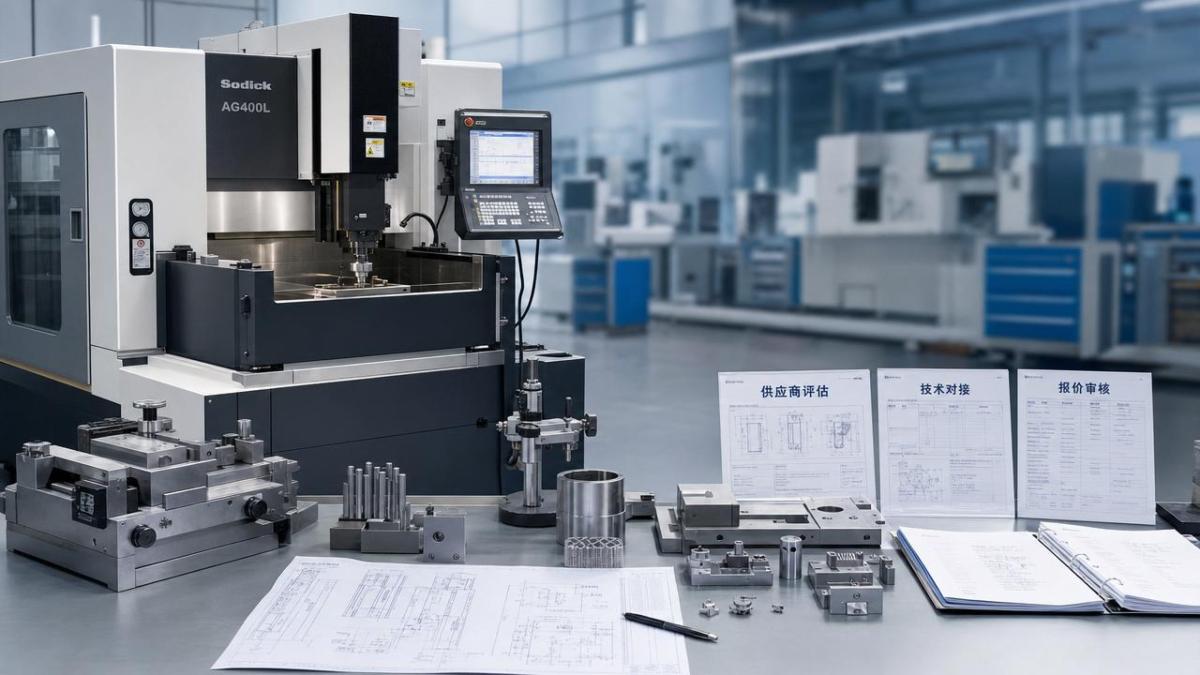
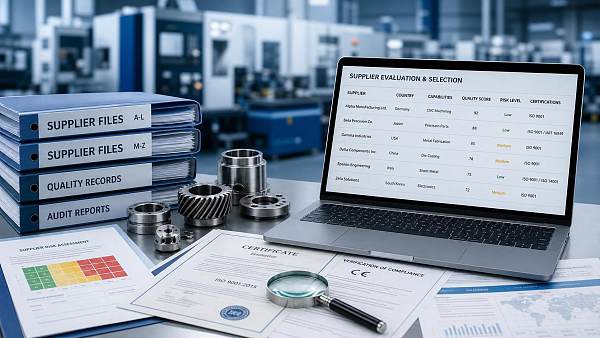
Quick evaluation table: which signals deserve immediate attention?
How can unclear technical alignment create schedule risk before a PO is even released?
Technical alignment is where many project schedules are quietly won or lost. An edm machine oem supplier may be capable of building the equipment, but if the project team and supplier define performance differently, the order will carry hidden instability. Common examples include disagreement over dimensional accuracy under load, sample part acceptance standards, electrode wear expectations, surface finish targets, dielectric system requirements, and automation handshaking with upstream equipment.
These issues are not minor details. If acceptance criteria are not frozen early, factory testing becomes subjective. The supplier may believe the machine is ready; the buyer may insist more tuning is needed. That disagreement consumes engineering time, delays payment milestones, and can block shipping. In high-precision programs, even a small ambiguity around datum strategy or workholding concept can force fixture redesign and shift the full timeline.
A disciplined pre-order review with the edm machine oem supplier should therefore confirm not only the machine model but also the process boundary. What parts will be machined? What material grades are involved? What electrode strategy is expected? What tolerances are critical? What test coupons or sample parts will be used for FAT? Teams that answer these questions early usually avoid the worst schedule surprises later.
Is the quotation from an edm machine oem supplier enough to judge delivery reliability?
No. A quotation is useful, but it is not a delivery assurance document. Project leaders often compare price, nominal lead time, and warranty terms, then assume the fastest compliant quote is the safest choice. In practice, the reliability of an edm machine oem supplier depends on whether the quote reflects a validated scope, realistic resource planning, and understood commercial conditions.
A good quotation should show more than commercial totals. It should identify included accessories, excluded interfaces, electrical standards, utility requirements, testing method, packing scope, shipment basis, and support during installation or commissioning. If these items are missing, the supplier may later introduce changes that affect budget and time. Delay then appears to come from “manufacturing,” while the true cause was an incomplete quotation structure.
It is also wise to test the supplier’s response quality during quotation review. How quickly do they close technical questions? Do they revise documents cleanly? Can they explain deviations from the RFQ? The behavior of an edm machine oem supplier during the quotation stage often predicts how they will manage change requests, issue tracking, and schedule pressure after the order is confirmed.
What should be confirmed before approving the quote?
- Machine configuration and all selected options
- Critical performance targets and FAT criteria
- Applicable standards, voltage, and site conditions
- Lead-time milestones, not just total weeks
- Spare parts, consumables, and training scope
- Responsibilities for integration, software, and acceptance support
What are the most common mistakes buyers make when selecting an edm machine oem supplier?
One common mistake is treating all qualified suppliers as operationally equal. Two vendors may both manufacture EDM equipment, yet differ greatly in engineering depth, project management discipline, documentation quality, and responsiveness under change. A project manager who selects only on price may inherit hidden costs in schedule management, internal coordination, and post-delivery debugging.
Another mistake is assuming that previous success in one application guarantees success in another. An edm machine oem supplier experienced in standard mold work may not automatically be the best fit for aerospace alloys, medical micro-features, or automated multi-station workflows. Capability must be matched to the actual duty profile, not just to general market reputation.
Buyers also sometimes overlook change-control discipline. If drawings, part samples, and interface notes are exchanged across email threads without clear revision tracking, the supplier may build to an outdated assumption. By the time the mistake is found, the schedule impact is already embedded. Strong document control is not administrative overhead; it is schedule protection.
A final mistake is involving engineering too late. Procurement may drive the initial shortlist, but if process engineers, maintenance stakeholders, and end users are not part of early evaluation, critical concerns may surface only after commercial negotiation. That late feedback often causes scope shifts, supplier rework, and internal approval delays.
How should project managers compare suppliers beyond price and lead time?
The best comparison method is to score the edm machine oem supplier across execution factors that influence total project certainty. These factors include engineering responsiveness, application fit, schedule transparency, quality of technical documents, test capability, after-sales support, and supply-chain resilience. In complex industrial procurement, the cheapest option can become the most expensive once delays, extra supervision, and performance disputes are included.
For example, a supplier that provides a clear production milestone chart, names critical bought-out items, and defines FAT methods in advance is easier to manage than one that simply states “delivery in 14 weeks.” Likewise, a supplier with stronger application engineering may shorten startup time even if the purchase price is higher. Project leaders should compare not just what the machine costs, but what confidence level the supplier brings to execution.
This is where a technical intelligence mindset becomes valuable. Decision-makers in modern manufacturing need more than a catalog view; they need evidence of process control, standards awareness, and commercial reliability. That approach aligns well with the broader industrial perspective promoted by organizations focused on engineering integrity, data-led sourcing, and resilient supply planning.
What practical questions should you ask an edm machine oem supplier before moving forward?
If you want to reduce the chance of hidden pre-production delays, ask questions that expose execution reality. Start with technical fit: what exact applications similar to ours have been delivered, and what were the achieved results? Then ask about planning: which components control the lead time, what is current factory loading, and what assumptions support the quoted schedule?
Follow with verification questions. What will be tested before shipment? Which sample parts or performance indicators will be used? How are deviations documented and closed? What training is included? How will software, electrical, and mechanical interfaces be handled if the machine is entering an existing production environment?
Also ask how the edm machine oem supplier manages changes. If the specification evolves after PO release, what is the review path, who approves revisions, and how is schedule impact communicated? Suppliers with mature project systems usually answer these questions clearly and in writing. That discipline is often more important than polished sales presentations.
What is the smartest next step if your project timeline is already tight?
When the schedule is compressed, the instinct is often to accelerate purchasing. A better approach is to reduce ambiguity before commitment. With any edm machine oem supplier under consideration, prioritize a structured pre-award review covering scope, milestones, FAT criteria, interfaces, responsibilities, and risk assumptions. This step may take a few extra days, but it often prevents weeks of downstream delay.
For project managers and engineering leads, the goal is not simply to place an order quickly. It is to place an order that can move through design, build, test, and delivery without repeated clarification cycles. If you need to confirm a concrete solution, timeline, budget direction, or cooperation model, start by discussing application details, required tolerances, test standards, site conditions, expected milestones, and change-control rules with the edm machine oem supplier. Those questions create the foundation for a schedule you can actually trust.
Recommended News
 Industrial Sourcing for Aerospace Industry: Supplier Qualification and Risk ChecklistIndustrial sourcing for aerospace industry guide: learn supplier qualification, traceability checks, hidden risk signals, and a practical checklist to reduce compliance failures.
 Smart Warehousing Solutions: When to Use Automation, Sensors, and WMS TogetherSmart warehousing explained: learn when to use automation, sensors, and WMS alone or together to improve accuracy, visibility, throughput, and supply chain resilience.
 Technical Drawing Basics: How to Read Dimensions, Tolerances, and Section ViewsTechnical drawing basics made clear: learn how to read dimensions, tolerances, and section views to reduce errors, improve inspection, and make smarter production decisions.
 Medical Scrubs Buying Guide: Fabric Types, Fit, and Infection Control FactorsMedical scrubs buying guide covering fabric types, fit, and infection control factors. Compare comfort, durability, wash performance, and total cost to choose smarter uniforms.
 Market Analysis for Global Trade: How to Read Demand, Pricing, and Supply Chain SignalsMarket analysis for global trade made practical: learn how to read demand, pricing, and supply chain signals to spot resilient markets, reduce sourcing risk, and make smarter trade decisions.
 Laminated Safety Glass Bulk Buying Guide: Thickness, Standards, and Supplier ChecksLaminated safety glass bulk buying guide covering thickness selection, key standards, and supplier checks. Learn how to reduce risk, verify compliance, and source with confidence.
 How AR Is Used in Training, Maintenance, and Product Visualization Across IndustriesAR transforms training, maintenance, and product visualization across industries by reducing errors, speeding decisions, and improving technical accuracy. See where it delivers real value.
 Hydraulic Press Specifications Explained: Tonnage, Stroke, Bed Size, and PowerHydraulic press specifications explained clearly: compare tonnage, stroke, bed size, and power to match tooling, improve uptime, and choose the right press with confidence.
 Bedding Sets Price Breakdown: What Affects Cost Across Materials, Sizes, and MOQBedding sets price explained: compare costs by material, size, and MOQ, uncover hidden fees, and make smarter supplier decisions with confidence.
 How to Choose a Stationery Wholesale Supplier for Schools, Offices, and RetailStationery wholesale buying starts with the right supplier. Learn how schools, offices, and retailers can compare quality, cost, delivery, and service to choose a reliable partner.
 How to Evaluate a B2B Network for Supplier Discovery and Partnership QualityB2B network evaluation starts with data depth, risk signals, and partnership quality. Learn how to identify qualified suppliers faster and make smarter procurement decisions.
 Why Thermal Barcode Labels Fail: Smudging, Fading, and Adhesive Issues SolvedThermalbarcodelabels failing from smudging, fading, or peeling? Discover the real causes, proven fixes, and smarter label choices to improve scan reliability and adhesion.
 Gas Detectors for Industrial Safety: Fixed vs Portable and What to CheckGasdetectors for industrial safety: compare fixed vs portable options, key checks for hazards, placement, alarms, and maintenance to improve compliance, uptime, and worker protection.
 Smart Health Devices Explained: Key Features, Data Types, and Use CasesSmart health devices explained: discover key features, data types, and real-world use cases to compare options smarter and choose reliable solutions with confidence.
 How to Choose STEM Education Kits for Different Age Groups and Learning GoalsSTEM education kits made simple: discover how to choose the best options by age, skill level, and learning goals to boost curiosity, confidence, and long-term value.
 Organic Fertilizers Explained: Types, Nutrient Content, and Best Use CasesOrganic fertilizers explained clearly: compare types, nutrient content, release speed, and best use cases for gardens, farms, and landscapes to choose smarter and grow better.
 E-Learning vs Classroom Training: Which Works Better for Employee Upskilling?E-learning vs classroom training: discover which model drives faster employee upskilling, better retention, and stronger business results—and why blended learning often wins.
 Radiators Manufacturer Comparison: Key Specs, Materials, and OEM CapabilitiesRadiators manufacturer comparison guide: evaluate key specs, material quality, pressure performance, and OEM capabilities to choose a reliable supplier with lower lifecycle risk.
 Architectural Low E Glass Wholesale: What Buyers Should Check Before OrderingArchitectural low e glass wholesale buyers should verify U-value, SHGC, coating type, fabrication fit, and compliance before ordering to reduce risk, control cost, and choose with confidence.
 How to Choose Stainless Steel Fasteners for Outdoor and Marine Applicationsstainlesssteelfasteners guide: learn how to choose 304, 316, or duplex fasteners for outdoor and marine use, avoid corrosion risks, and buy smarter for longer service life.
 Why Nursing Pads Leak or Shift: Common Causes and How to Choose Better ProtectionNursingpads leaking or shifting? Discover the most common causes, what features really improve protection, and how to choose comfortable nursing pads that stay in place.








Search News
Popular Tags