
Automatic Tool Changer OEM Choices Can Raise Maintenance Costs
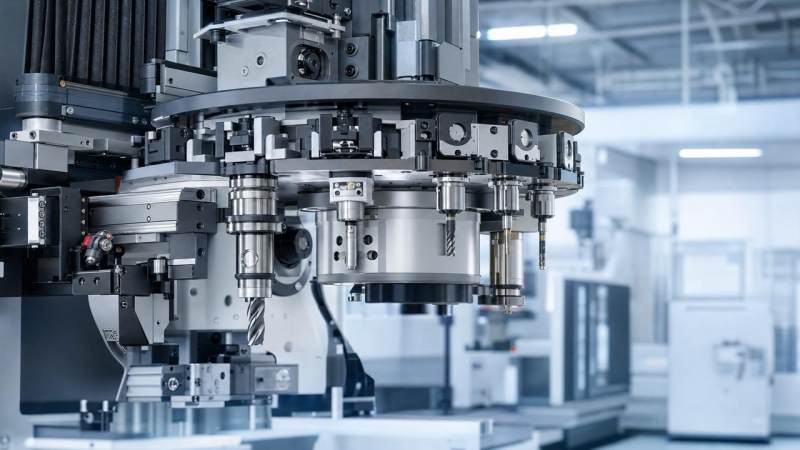
Choosing an automatic tool changer OEM can seem like a straightforward sourcing decision, but for maintenance teams, the long-term impact is far more complex. Differences in parts compatibility, service access, diagnostic support, and wear-component quality can quietly drive up downtime and repair budgets. Understanding these hidden cost factors is essential for after-sales personnel tasked with keeping machining systems reliable, efficient, and serviceable.
Why maintenance teams should evaluate an automatic tool changer OEM with a checklist first
For after-sales and maintenance personnel, an automatic tool changer OEM decision is not only about initial fit, spindle interface, or cycle speed. It is a lifecycle service issue. Once an automatic tool changer enters daily production, every weak point becomes a maintenance event: delayed spare parts, unclear fault codes, difficult alignment, inconsistent sensors, or non-standard grippers. A checklist-based review prevents teams from choosing an option that looks acceptable during procurement but becomes expensive during ownership.
This approach is especially important in integrated manufacturing environments where machine uptime affects multiple downstream operations. A failed carousel arm, damaged tool pot, or inaccessible pneumatic assembly can stop not only one machining center, but an entire scheduling sequence. For that reason, maintenance staff should evaluate automatic tool changer OEM options with the same discipline used for pumps, seals, lubrication systems, and other critical industrial assets.
Start with these high-priority checks before approving any automatic tool changer OEM
- Confirm whether replacement parts use proprietary dimensions or standardized interfaces. Proprietary components often lock maintenance teams into higher costs and longer lead times.
- Check the OEM’s spare-parts stocking policy by region. A strong catalog means little if the nearest warehouse cannot support urgent failures.
- Review service documentation quality. Exploded views, wiring diagrams, sensor logic, adjustment tolerances, and troubleshooting flowcharts should be complete and usable in the field.
- Verify diagnostic transparency. If alarms are too generic, technicians spend more time isolating causes and more money replacing parts by trial and error.
- Inspect wear-component quality, including grippers, drawbar contact surfaces, springs, bearings, seals, shock absorbers, and proximity switches.
- Assess ease of alignment and calibration after service. Complicated recovery procedures increase downtime after even minor repairs.
- Ask whether the automatic tool changer OEM supports retrofit kits, revision updates, and backward compatibility for older machine platforms.
If these seven items are not clearly answered, maintenance costs usually rise later through emergency service calls, excess spare inventory, and repeated machine stoppages. In other words, the real price of an automatic tool changer OEM is revealed after installation, not at quotation stage.
Core evaluation standards that directly affect maintenance cost
1. Parts compatibility and interchangeability
One of the first things maintenance teams should verify is whether consumables and failure-prone parts can be sourced from multiple approved channels. An automatic tool changer OEM that relies on exclusive sensor housings, custom pneumatic valves, or non-standard tool pockets may appear technically refined, but such designs often reduce field flexibility. Interchangeable parts lower inventory pressure and shorten mean time to repair.
2. Access to assemblies during service
Maintenance labor cost depends heavily on access. If technicians must disassemble guards, remove adjacent units, or reset multiple mechanical references to replace one switch or damper, the service burden rises sharply. A practical automatic tool changer OEM should allow access to common wear points without major teardown.
3. Diagnostic depth and controller integration
The best automatic tool changer OEM solutions provide clear status monitoring for tool position, arm home position, clamp confirmation, magazine indexing, and abnormal cycle interruption. Rich diagnostics reduce false part replacement and improve fault isolation. If the OEM provides only simple alarm outputs without event logic, maintenance teams lose valuable response time.
4. Wear life of critical components
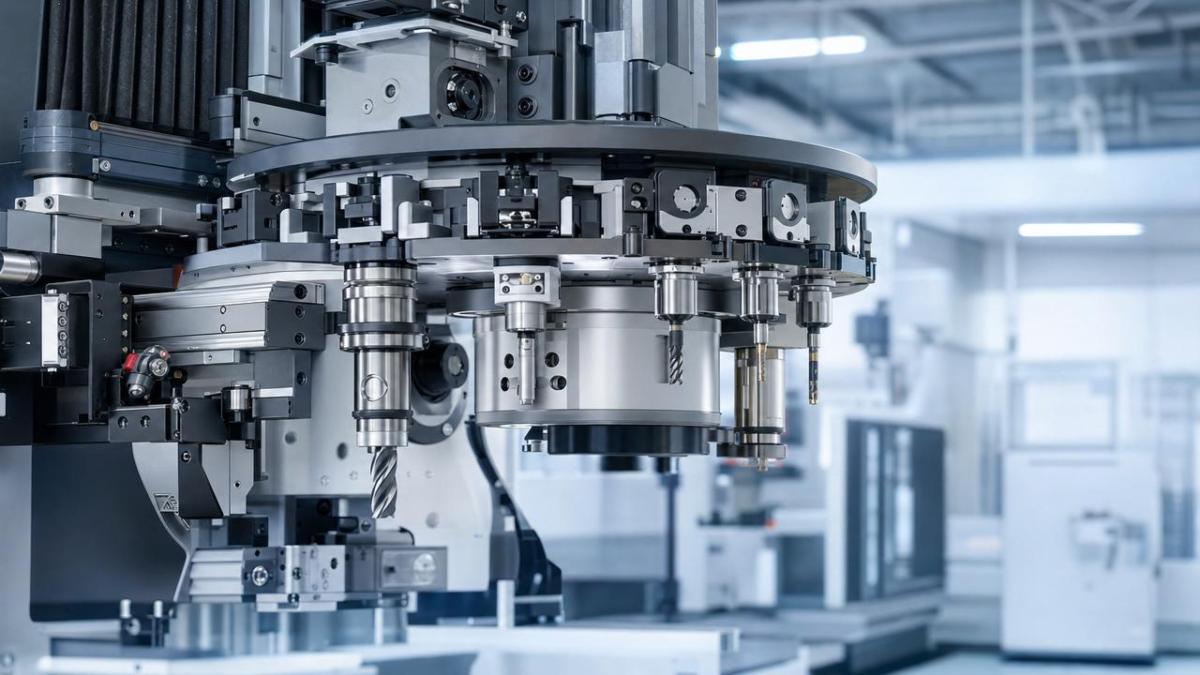
Wear quality is often underestimated in early sourcing reviews. However, lower-grade grippers, springs, bearings, and seals can create recurring micro-failures: inconsistent tool retention, vibration during transfer, position drift, air leakage, and premature arm fatigue. When comparing an automatic tool changer OEM, ask for actual maintenance interval data under realistic duty cycles rather than ideal lab conditions.
5. Technical support responsiveness
A technically capable automatic tool changer OEM should offer more than sales support. After-sales teams need escalation paths, remote diagnostic assistance, revision notices, and guidance on repeat failures. Response speed matters, but so does competence. Fast replies with incomplete technical detail still prolong downtime.
A practical comparison table for maintenance-led OEM review
Use the following comparison structure when screening an automatic tool changer OEM for serviceability rather than just purchase cost.
What changes by machine type, production style, and service environment
Not every automatic tool changer OEM creates the same risk profile. Maintenance priorities shift depending on application and operating conditions.
High-mix, low-volume machining
Frequent tool changes place more stress on arm motion, indexing accuracy, and pocket retention. In these environments, the automatic tool changer OEM should be judged heavily on cycle consistency, gripper durability, and sensor repeatability.
High-volume production lines
Downtime cost is often highest here. Even small maintenance delays become expensive. Teams should prioritize an automatic tool changer OEM with local stock support, preventive maintenance schedules, and proven mean cycles between failures.
Multi-site or international operations
If equipment is deployed across regions, standardization matters more than individual machine optimization. The right automatic tool changer OEM should support consistent parts coding, multilingual manuals, training packages, and stable global service channels.
Retrofit and legacy machine scenarios
Older machines often expose hidden integration problems. Mounting geometry, control logic, pneumatic pressure ranges, and sensor outputs may not match current designs. In these cases, after-sales teams should ask the automatic tool changer OEM for retrofit records, interface drawings, and upgrade limitations before approval.
Commonly overlooked items that later increase repair budgets
- Ignoring contamination resistance. Coolant mist, chips, and dirty compressed air can shorten the life of sensors and moving joints.
- Not checking lubrication requirements. Some automatic tool changer OEM systems need tighter lubrication discipline than maintenance teams expect.
- Assuming all alarms are controller-side. Many recurring issues originate from mechanical tolerance drift rather than electrical faults.
- Underestimating recovery procedure time after interrupted tool changes. Restart complexity can be as costly as the fault itself.
- Failing to map critical spares by failure frequency. Without this, companies carry the wrong inventory while key items remain unavailable.
- Overlooking training needs for local technicians. A well-designed automatic tool changer OEM still becomes expensive if staff cannot diagnose it correctly.
Execution checklist for after-sales personnel before final OEM approval
Before signing off on an automatic tool changer OEM, maintenance teams should prepare and verify the following information:
- A list of top failure modes seen on current machines, including tool mis-clamp, magazine index faults, arm transfer errors, and sensor drift.
- Expected annual cycle counts and duty patterns, so wear assumptions can be tested against real operating loads.
- Target spare-parts strategy, including local stock levels, critical spare classification, and acceptable lead times.
- Required documentation set, including drawings, exploded views, preventive maintenance instructions, and alarm recovery logic.
- Training expectations for operators, maintenance staff, and field service engineers.
- A service KPI framework covering mean time to repair, first-time fix rate, repeat failure rate, and response time.
These checkpoints turn the automatic tool changer OEM discussion from a purchasing comparison into a serviceability decision. That shift is where long-term savings usually begin.
FAQ: quick answers maintenance teams often need
Is a lower-priced automatic tool changer OEM always more expensive later?
Not always, but low price becomes risky when it comes with proprietary parts, poor support, or weak documentation. Total maintenance cost depends on downtime, labor time, and spare availability more than purchase price alone.
What is the fastest way to compare two OEM options?
Compare five things first: parts lead time, service access, alarm transparency, wear-part quality, and field support record. Those factors usually reveal the stronger automatic tool changer OEM for after-sales needs.
Should maintenance teams join the sourcing process early?
Yes. Early involvement helps prevent service-related blind spots. Maintenance staff often identify hidden lifecycle costs that procurement or production teams may overlook.
Final action guide for reducing lifecycle cost
The best automatic tool changer OEM choice is the one that keeps machines recoverable, parts accessible, and failures predictable. For after-sales personnel, the evaluation should center on maintainability, not only technical specification or commercial terms. A structured checklist helps expose the true cost drivers before they become chronic downtime events.
If your organization is moving toward a new machine platform, retrofit project, or supplier review, prioritize discussions around spare-parts coding, compatibility limits, preventive maintenance intervals, alarm visibility, training scope, and regional service coverage. Those are the questions most likely to determine whether an automatic tool changer OEM will support uptime or quietly raise maintenance costs over time.
Recommended News
 When solar inverters should be replaced instead of repairedSolar inverters: learn when recurring faults, obsolete parts, safety damage, and rising lifecycle costs make replacement smarter than repair.
 What to verify before choosing a first aid kits distributorFirst aid kits distributor checklist: verify compliance, traceability, expiry control, replenishment, and multi-site delivery before choosing a reliable supplier.
 How mold engineering design reduces warpage in thin-wall partsMold engineering design reduces thin-wall part warpage through balanced gating, cooling, packing, and ejection for stable, production-ready precision.
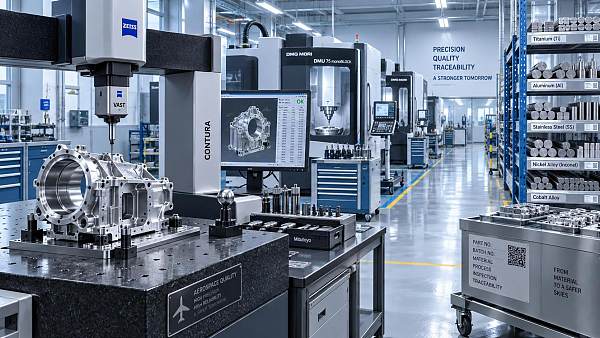
 What to audit at a CNC machine tools factory before approving a supplierCNC machine tools factory audit guide: verify machining accuracy, metrology, traceability, workforce skills, and capacity resilience before approving a precision supplier.
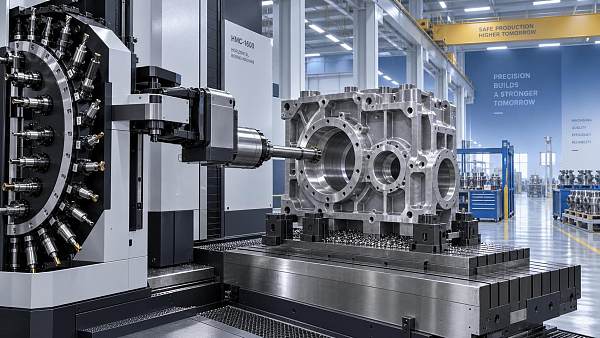
 When does a horizontal boring machine with ATC justify its cost?Discover when a horizontal boring machine with ATC delivers ROI through faster setups, higher uptime, lower labor costs, and reliable capacity growth.
 How office acoustics affect speech privacy in open-plan workspacesOffice acoustics shape speech privacy in open-plan workspaces. Discover practical strategies for reducing distractions, protecting sensitive conversations, and improving focus.
 Can AI in precision engineering for aerospace applications improve defect detection?AI in precision engineering for aerospace applications improves defect detection through smarter inspection, traceable workflows, and early process-drift alerts. Explore proven deployment strategies.
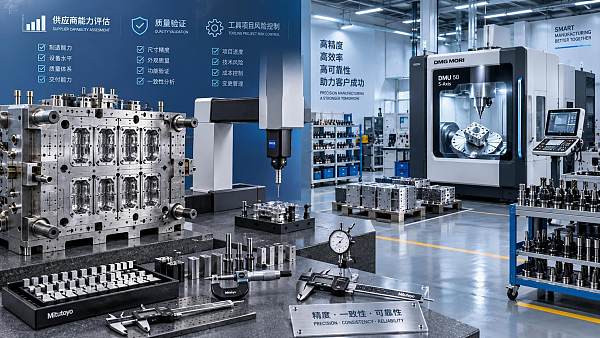
 Using a supplier capability evaluation framework to screen CNC suppliersSupplier capability evaluation framework for screening CNC suppliers: verify quality, traceability, capacity, and resilience to select reliable partners.
 When supplier capability evaluation services reduce tooling project riskSupplier capability evaluation services help reduce tooling project risk by verifying technical fit, quality controls, capacity, and delivery readiness before costly delays occur.
 How can a trade network help distributors enter new regional markets?Trade network strategies help distributors enter regional markets with verified partners, local insights, technical fit, and reliable logistics for faster, lower-risk growth.
 Does private label manufacturing contract assembly reduce launch risk?Private label manufacturing contract assembly can reduce launch risk with proven quality systems, traceability, supplier validation, and scalable production control.
 When do e-readers make sense for a distraction-free work library?E-readers for focused work libraries: discover when they improve deep reading, technical document review, security, and distraction-free research workflows.
 How a precision milling center factory controls part-to-part consistencyDiscover how a precision milling center factory achieves reliable part-to-part consistency through controlled tooling, workholding, traceability, and in-process inspection.
 Which CNC manufacturing investment drivers matter before capacity expansionCNC manufacturing investment drivers: evaluate demand, automation, workforce readiness, and lifecycle ROI before expanding capacity. Build resilient, profitable growth.
 When CNC turning is the right fit for precision machining servicesPrecision machining services: discover when CNC turning delivers superior concentricity, surface finish, and cost control for critical rotational parts.
 When ozone generators are suitable for odor control in commercial spacesOzone generators for commercial odor control: learn when controlled treatment is appropriate, how to protect people and materials, and why source removal comes first.
 How to select mechanical seals for mixers handling abrasive slurriesMechanical seals for mixers: learn how to select durable seal arrangements, face materials, and support systems for abrasive slurry service.
 How supply chain analysis supports risk management before disruptions occurSupply chain analysis risk management helps businesses detect hidden dependencies, assess recovery time, and act early to protect operations before disruptions occur.
 How to evaluate a smart switchable glass OEM before project approvalSmart switchable glass OEM evaluation guide: verify panel buildability, visual performance, controls integration, quality evidence, and delivery support before project approval.
 When should an interior design distributor expand into commercial projects?Interior design distributor guide: discover the key readiness signals, risks, and practical steps for expanding confidently into profitable commercial projects.
 Where to find industrial application guidance resources for process upgradesIndustrial application guidance resources help technical evaluators validate process upgrades with standards, supplier data, trials, and lifecycle insights.








Search News
Popular Tags