
Trump Administration Announces Tariffs Targeting Industrial Overcapacity
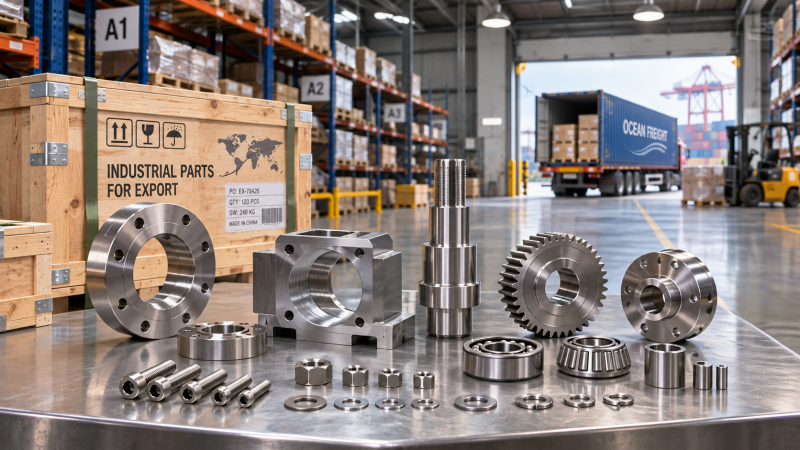
On November 25, 2026, the Trump administration announced a new tariff policy addressing industrial overcapacity involving 14 trade partners. The policy uses tariffs to respond to excess manufacturing capacity and related labor and financial concerns, with potential implications for international trade in precision machining, molds and fasteners.
For manufacturers and buyers, the central question is how the policy will apply to particular products and transactions. A tariff can affect the cost of an imported component, but the effect on a finished product also depends on where the component sits in the supply chain and how the policy applies to it.
Where the effects could appear first
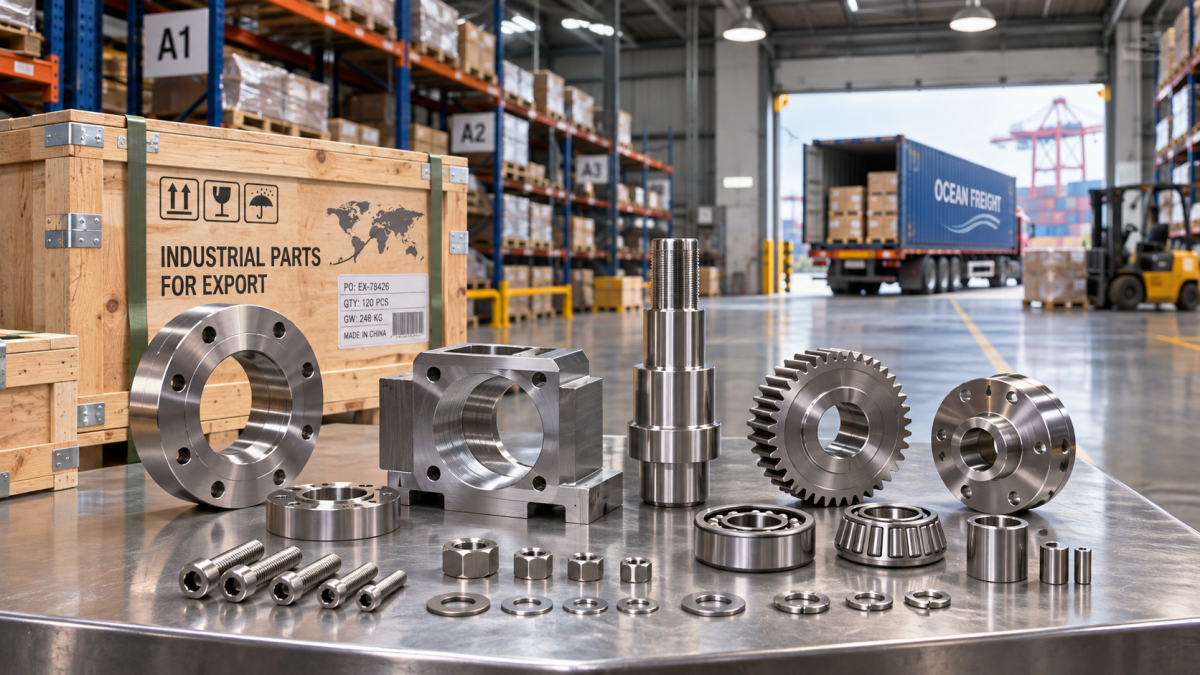
Pricing and purchasing decisions are likely to be among the first areas of attention. If a product falls within the policy’s scope, the applicable tariff could change its landed cost and alter the comparison between suppliers. Buyers of precision-machined parts, molds or fasteners may therefore need to assess costs at the product level rather than assume that every item faces the same treatment.
The effect could also extend beyond a direct importer. A manufacturer that purchases affected components may face higher input costs, while a customer further downstream may encounter revised quotations. Whether those costs are absorbed or passed on would depend on the commercial arrangements between the parties and the tariff provisions that apply.
Supply chains may face a different set of questions where a part crosses borders during production. The relevance of a tariff to any such movement would depend on the goods involved and the rules governing their treatment. For molds and precision components made to a buyer’s specifications, an alternative supplier may also require evaluation before a purchasing change can be made.
What remains to be established
The announcement identifies 14 trade partners, but the policy’s practical reach will depend on details such as the products covered, tariff rates and applicable conditions. Those details matter to businesses assessing individual orders: exposure cannot be determined simply from a company’s connection to machining, moldmaking or fastener manufacturing.
The longer-term effect on sourcing and production will also depend on how the measures are applied and whether they persist. Changes in supplier selection or manufacturing arrangements may follow if tariffs materially alter costs, but the announcement alone does not establish the scale or timing of such changes.
Further official policy information will be central to assessing which transactions are affected and how the measures address the labor and financial concerns cited in the announcement.
Facing technical bottlenecks in manufacturing or looking for more efficient industrial solutions? Leave your details below and let the engineering experts at G-PME solve them for you.
We respect your privacy. Your information is strictly confidential.
Recommended News
 Trump Administration Announces Tariffs Targeting Industrial OvercapacityIndustrial overcapacity tariffs could reshape sourcing costs. Explore potential impacts on precision machining, molds and fasteners.
 Choosing high-tensile bolts for industrial fastening in EuropeIndustrial fastening Europe: Learn how to select high-tensile bolts, coatings and standards for reliable joints, accurate preload and safer assembly.
 Is Zinc Plating Corrosion Resistant Enough for Outdoor Hardware?Is zinc plated corrosion resistant enough for outdoor hardware? Discover its limits and compare galvanized and stainless steel options to choose the right protection.
 Zinc-Plated Bolt Corrosion Resistance: Coating Thickness and PassivationExplore zinc plated bolts corrosion resistance: learn how coating thickness, passivation, and testing affect protection—and choose the right finish for your application.
 Why Zinc-Plated Bolts Rust: Diagnosing White Deposits and Red RustWill zinc plated bolts rust? Learn what white deposits and red rust reveal, when to clean or replace bolts, and how to prevent repeat corrosion with this practical guide.
 Salt Spray Testing for Fasteners: What ASTM B117 Results Actually MeanChoosing a salt spray resistant fastener? Learn what ASTM B117 results really mean, how to compare corrosion claims, and what to verify before accepting a shipment.
 Corrosion-Resistant Bolting for Coastal Projects: Stainless or Coated Steel?Compare corrosion resistant bolting for coastal projects. Explore stainless vs. coated steel, chloride exposure, strength, and maintenance to choose the right system and reduce lifecycle costs.
 What Certifications Should an Industrial Fastener Supplier Provide?What certifications should an industrial fastener supplier provide? Discover essential ISO credentials, test reports, and traceability checks to qualify suppliers and reduce sourcing risks.
 How Can You Prevent Fasteners from Loosening During Operation?How can I prevent fasteners from loosening during operation? Discover preload, tightening, and locking strategies to reduce downtime and improve equipment reliability.
 Which Fastener Grade Is Suitable for Vibration-Prone Equipment?Which industrial fastener grade is suitable for vibration-prone equipment? Compare classes 8.8, 10.9, and 12.9, preload, and locking methods to make a reliable choice.
 When industrial fasteners bolts need traceable material certificationIndustrial fasteners bolts need traceable material certification for critical applications. Learn what QA teams should verify to reduce risk and ensure compliance.
 How raw material cost affects the price of high-tensile boltsRaw material cost directly influences high-tensile bolt pricing. Discover how alloy grades, yield loss, certification, and supply volatility affect sourcing decisions.
 When corrosion-resistant industrial fasteners are needed outdoorsIndustrial fasteners corrosion resistant solutions: learn when outdoor exposure demands smarter material selection, joint design, and lifecycle planning.
 What Shapes Industrial Fastening Costs in Europe Beyond Unit PriceIndustrial fastening Europe costs go far beyond unit price. Discover how compliance, coatings, lead times, quality, and supply risk shape smarter sourcing decisions.
 How to Evaluate Structural Steel & Metals for Load-Bearing Industrial ProjectsStructural Steel & Metals selection can make or break industrial load-bearing projects. Learn how to assess strength, corrosion, fabrication, traceability, and lifecycle cost.
 Structural Steel Beams Wholesale: How Buyers Compare Grades, Sizes, and Lead TimesStructural steel beams wholesale buyers compare more than price—learn how grades, sizes, certifications, and lead times affect project cost, risk, and supply reliability.
 Static Load Capacity Explained: What It Means and How It Affects Equipment SelectionStatic load capacity explained in practical terms—learn how it affects equipment selection, safety margins, deformation risk, and smarter procurement decisions.
 Industrial Fasteners Zinc Plated vs Plain Steel: Which Is Better for Corrosion Control?Industrial fasteners zinc plated vs plain steel: discover which offers better corrosion control, lower maintenance risk, and stronger lifecycle value for industrial applications.
 Industrial Fastening Hardware: How to Choose Grades, Coatings, and Load RatingsIndustrial fastening hardware selection made practical: learn how grades, coatings, and load ratings affect safety, corrosion resistance, and uptime across industrial applications.
 Industrial Sourcing for Aerospace Industry: Supplier Qualification and Risk ChecklistIndustrial sourcing for aerospace industry guide: learn supplier qualification, traceability checks, hidden risk signals, and a practical checklist to reduce compliance failures.
 How to Choose Stainless Steel Fasteners for Outdoor and Marine Applicationsstainlesssteelfasteners guide: learn how to choose 304, 316, or duplex fasteners for outdoor and marine use, avoid corrosion risks, and buy smarter for longer service life.






Search News
Popular Tags