
Bottling Lines Selection Guide: Capacity, Automation Level, Changeover, and Maintenance
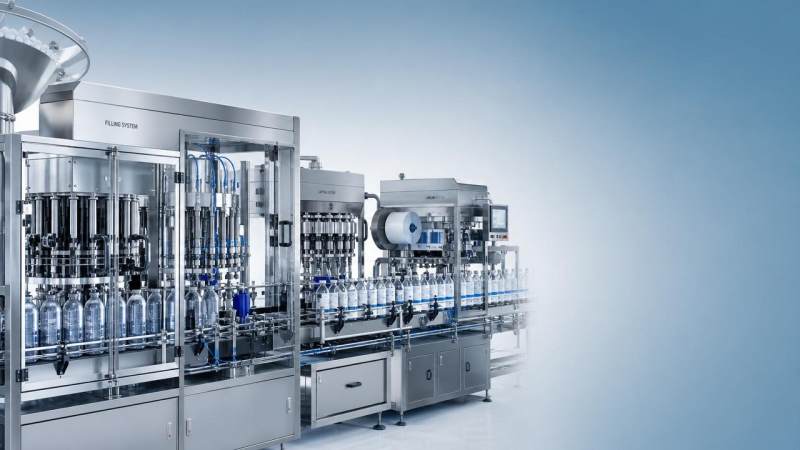
Why Bottling Lines Selection Shapes Long-Term Plant Performance
Selecting the right bottling lines is not just about filling bottles faster. It affects uptime, product consistency, labor use, energy demand, and how easily a site can respond to new SKUs.
In broad industrial settings, the best decision usually comes from balancing capacity, automation, changeover, and maintenance instead of chasing the highest nameplate speed.
That is especially true when bottling lines must fit stricter engineering standards, traceability goals, and supply-chain resilience targets across multiple production environments.
G-PME’s engineering perspective is useful here. Looking at bottling lines through the lens of precision machining, fluid control, sealing reliability, and lifecycle performance often reveals hidden cost drivers early.
The practical question is simple: which bottling lines can meet output targets today without becoming expensive, rigid, or maintenance-heavy tomorrow?
The points below help narrow that decision with clearer, plant-level checks.

A strong evaluation starts by comparing real operating conditions, not brochure promises. That keeps the final shortlist practical and easier to defend internally.
Key Points to Review Before Comparing Suppliers
- Match rated speed to actual OEE, bottle mix, and downtime assumptions, because bottling lines that look fast on paper may underperform once cleaning, jams, and operator delays are included.
- Check filling accuracy, cap torque consistency, and material compatibility early, since bottling lines handling sensitive liquids depend heavily on seal quality, pump stability, and wear-resistant components.
- Compare automation only after defining labor strategy and data needs, because advanced bottling lines add value when they improve traceability, diagnostics, and repeatability rather than just adding complexity.
- Measure real changeover time between bottle sizes, closures, and labels, because bottling lines serving mixed production schedules often lose more output in transitions than in nominal running speed.
- Review maintenance access, spare parts commonality, and vendor service response, because bottling lines with tight layouts or proprietary modules can increase downtime and lifetime support costs.
- Validate utility demand for compressed air, water, electricity, and lubrication, because bottling lines that exceed site infrastructure can trigger extra capex outside the original equipment budget.
Capacity: Focus on Sustainable Throughput, Not Peak Numbers
Capacity is usually the first filter, but headline speed can be misleading. What matters more is sustained throughput across the full shift, including startup losses, format changes, and minor stops.
For many bottling lines, the weakest link is not the filler. It may be depalletizing, capping, labeling, case packing, or conveyor accumulation logic.
A useful check is to ask for line balance data at target bottle formats. If one machine consistently runs slower, the whole line’s promised capacity becomes theoretical.
It also helps to compare throughput at normal reject rates. A line with high speed but unstable quality can quietly erase output gains.
A Quick Capacity Comparison Table
Automation Level Should Fit Operating Reality
More automation is not always better. The right level depends on labor availability, operator skill, reporting requirements, and how often the line configuration changes.
Semi-automatic bottling lines may work well for lower volumes or frequent product introductions. Fully automatic systems usually make more sense when repeatability, traceability, and labor efficiency drive the investment case.
One common mistake is paying for advanced controls without using the data. If alarms, trend reports, and predictive indicators are not tied to plant routines, the extra automation does little.
- Confirm PLC, HMI, and MES integration needs before purchase, because bottling lines create the most value when operating data supports downtime analysis, batch traceability, and quality control decisions.
- Assess operator training burden alongside automation features, because bottling lines with sophisticated controls can still suffer frequent stoppages if daily use is not intuitive and standardized.
- Request fault-history visibility and remote diagnostics options, because bottling lines recover faster when technicians can identify repeated failures without extended trial-and-error troubleshooting on the floor.
Changeover Speed Often Decides Real Flexibility
If product variety is rising, changeover deserves equal weight with capacity. Many bottling lines lose significant production time switching bottle shapes, fill volumes, caps, labels, or cartons.
Ask suppliers to separate tool-free adjustments from parts replacement. Fast handwheel changes are very different from lengthy mechanical swaps requiring alignment and recalibration.
Another detail worth checking is recipe management. Digital format settings reduce setup errors and make repeated runs more predictable.
When SKU Complexity Is High
In mixed-format operations, bottling lines should be judged on transition stability, not just transition speed. A quick changeover followed by misfeeds and rejects is still a poor result.
It is smart to verify whether star wheels, guides, and cap handling assemblies can be standardized across formats. Fewer unique parts usually mean less storage, less confusion, and faster recovery.
- Time a full format change including cleaning, verification, and restart, because bottling lines often appear flexible until all required steps are counted under normal production discipline.
- Review format-part quantity, storage, and identification methods, because bottling lines with many unique change parts increase handling errors and extend planned downtime between batches.
Maintenance Demands Can Redefine Total Cost
Maintenance is where many investment models become unrealistic. Bottling lines may look competitive upfront, then consume more cost through wear parts, technician hours, and hard-to-source components.
This is where G-PME’s cross-industry view matters. Precision-machined components, sealing systems, lubrication choices, and fluid-handling stability often have direct effects on reliability and sanitary performance.
Ask what fails most often, what the mean time to repair looks like, and which parts are truly standard. Generic promises around “easy maintenance” are not enough.
- Inspect access to pumps, valves, seals, bearings, and sensors, because bottling lines become expensive to maintain when routine service requires major disassembly or awkward technician positioning.
- Check spare-part lead times against regional supply risk, because bottling lines relying on single-source precision items can extend downtime during logistics disruption or sudden demand spikes.
- Ask for preventive maintenance intervals by module, because bottling lines should fit existing shutdown windows instead of forcing extra stoppages that disrupt plant planning.
A Few Situations That Change the Best Choice
High-volume, stable product runs
For steady demand and limited packaging variation, fully automatic bottling lines usually justify themselves. The focus should be line balance, uptime, and low-intervention maintenance design.
In this case, ask for proof of sustained output over long shifts and documented wear-part performance under comparable duty cycles.
Multi-product operations with frequent switching
Here, flexible bottling lines often beat the fastest ones. Quick recipe recall, easy format handling, and repeatable restarts matter more than maximum speed.
The key check is simple: how much sellable output remains after all weekly changeovers are included?
Sites with limited technical support
When in-house troubleshooting depth is limited, simpler bottling lines may produce better long-term results. Clear maintenance access, standard components, and responsive remote support become critical.
This is also where over-automation creates risk. A line that cannot be quickly restored after a fault may reduce resilience instead of improving it.
What Often Gets Missed During Evaluation
Several details regularly slip through early reviews. Later, they show up as hidden capex, delayed commissioning, or lower-than-expected output.
- Verify floor space, service clearance, and conveyor routing together, because bottling lines can fit physically yet still create poor access for cleaning, maintenance, and future expansion.
- Confirm compatibility with upstream and downstream equipment, because bottling lines rarely perform well when palletizing, labeling, or utility systems are engineered in isolation.
- Review FAT and SAT acceptance criteria in detail, because bottling lines should be approved against measurable output, accuracy, and downtime thresholds rather than general impressions.
It also helps to compare vendors on documentation quality. Good manuals, spare lists, and maintenance procedures shorten ramp-up time more than many teams expect.
A Practical Way to Narrow the Final Decision
A solid selection process for bottling lines usually ends with a weighted scorecard. That scorecard should combine output, flexibility, reliability, utilities, support model, and total lifecycle cost.
Keep the model simple enough to compare options clearly. If every supplier scores well only because the criteria are vague, the framework is not helping.
The strongest next step is to shortlist bottling lines using real production data, then validate assumptions through reference checks, documented performance, and maintenance evidence.
When capacity, automation level, changeover, and maintenance are reviewed together, the final choice becomes easier to defend and far more likely to deliver durable ROI.
Recommended News
 Software as a Service Pricing Models Compared: Per User, Usage-Based, or Flat Rate?Software as a service pricing compared: learn when per-user, usage-based, or flat-rate models deliver better cost control, forecasting, and long-term value before you approve.
 Outdoor Survival Gear Checklist: What to Pack for Cold, Rain, and No-Signal Areasoutdoorsurvivalgear checklist for cold, rain, and no-signal routes. Learn what to pack for warmth, shelter, navigation, and safe self-reliance in harsh conditions.
 WMS Selection Guide: 9 Features to Compare Before Replacing SpreadsheetsWMS selection starts with the right features. Compare 9 must-have capabilities—from real-time inventory visibility to integration and scalability—before replacing spreadsheets.
 How to Choose a Breast Pump: Wearable vs Electric vs Manual for Daily UseBreastpumps compared: wearable, electric, and manual options for daily use. Discover which pump fits your routine, comfort needs, and budget before you buy.
 Cross Border Logistics Explained: Key Shipping Modes, Costs, and Customs RisksCross border logistics explained: compare air, ocean, rail, and express shipping, uncover real landed costs, and reduce customs risks to protect timelines and margins.
 Industrial Sourcing for Aerospace Industry: Supplier Qualification and Risk ChecklistIndustrial sourcing for aerospace industry guide: learn supplier qualification, traceability checks, hidden risk signals, and a practical checklist to reduce compliance failures.
 Smart Warehousing Solutions: When to Use Automation, Sensors, and WMS TogetherSmart warehousing explained: learn when to use automation, sensors, and WMS alone or together to improve accuracy, visibility, throughput, and supply chain resilience.
 Technical Drawing Basics: How to Read Dimensions, Tolerances, and Section ViewsTechnical drawing basics made clear: learn how to read dimensions, tolerances, and section views to reduce errors, improve inspection, and make smarter production decisions.
 Medical Scrubs Buying Guide: Fabric Types, Fit, and Infection Control FactorsMedical scrubs buying guide covering fabric types, fit, and infection control factors. Compare comfort, durability, wash performance, and total cost to choose smarter uniforms.
 Market Analysis for Global Trade: How to Read Demand, Pricing, and Supply Chain SignalsMarket analysis for global trade made practical: learn how to read demand, pricing, and supply chain signals to spot resilient markets, reduce sourcing risk, and make smarter trade decisions.
 Laminated Safety Glass Bulk Buying Guide: Thickness, Standards, and Supplier ChecksLaminated safety glass bulk buying guide covering thickness selection, key standards, and supplier checks. Learn how to reduce risk, verify compliance, and source with confidence.
 How AR Is Used in Training, Maintenance, and Product Visualization Across IndustriesAR transforms training, maintenance, and product visualization across industries by reducing errors, speeding decisions, and improving technical accuracy. See where it delivers real value.
 Hydraulic Press Specifications Explained: Tonnage, Stroke, Bed Size, and PowerHydraulic press specifications explained clearly: compare tonnage, stroke, bed size, and power to match tooling, improve uptime, and choose the right press with confidence.
 Bedding Sets Price Breakdown: What Affects Cost Across Materials, Sizes, and MOQBedding sets price explained: compare costs by material, size, and MOQ, uncover hidden fees, and make smarter supplier decisions with confidence.
 How to Choose a Stationery Wholesale Supplier for Schools, Offices, and RetailStationery wholesale buying starts with the right supplier. Learn how schools, offices, and retailers can compare quality, cost, delivery, and service to choose a reliable partner.
 How to Evaluate a B2B Network for Supplier Discovery and Partnership QualityB2B network evaluation starts with data depth, risk signals, and partnership quality. Learn how to identify qualified suppliers faster and make smarter procurement decisions.
 Why Thermal Barcode Labels Fail: Smudging, Fading, and Adhesive Issues SolvedThermalbarcodelabels failing from smudging, fading, or peeling? Discover the real causes, proven fixes, and smarter label choices to improve scan reliability and adhesion.
 Gas Detectors for Industrial Safety: Fixed vs Portable and What to CheckGasdetectors for industrial safety: compare fixed vs portable options, key checks for hazards, placement, alarms, and maintenance to improve compliance, uptime, and worker protection.
 Smart Health Devices Explained: Key Features, Data Types, and Use CasesSmart health devices explained: discover key features, data types, and real-world use cases to compare options smarter and choose reliable solutions with confidence.
 How to Choose STEM Education Kits for Different Age Groups and Learning GoalsSTEM education kits made simple: discover how to choose the best options by age, skill level, and learning goals to boost curiosity, confidence, and long-term value.
 Organic Fertilizers Explained: Types, Nutrient Content, and Best Use CasesOrganic fertilizers explained clearly: compare types, nutrient content, release speed, and best use cases for gardens, farms, and landscapes to choose smarter and grow better.



















Search News
Popular Tags