
What matters most when upgrading audio equipment?

Upgrading audio equipment can feel exciting—and confusing—because louder specs and higher prices do not always mean better sound. What matters most is how each component fits your listening habits, room, source quality, and budget. Whether you are improving a home theater, building a desktop setup, or replacing everyday speakers, the smartest upgrade starts with clarity: identify the weakest link, prioritize real audible gains, and choose gear that works well together rather than chasing hype.
For end consumers, the decision is rarely about one product alone. It is about a system: speakers, amplifier, DAC, cables, room acoustics, streaming source, and daily use patterns.
A practical upgrade plan should borrow the discipline used in precision engineering: define tolerances, compare measurable performance, and avoid costly mismatches before purchase.
Start With the Weakest Link in Your Audio Chain
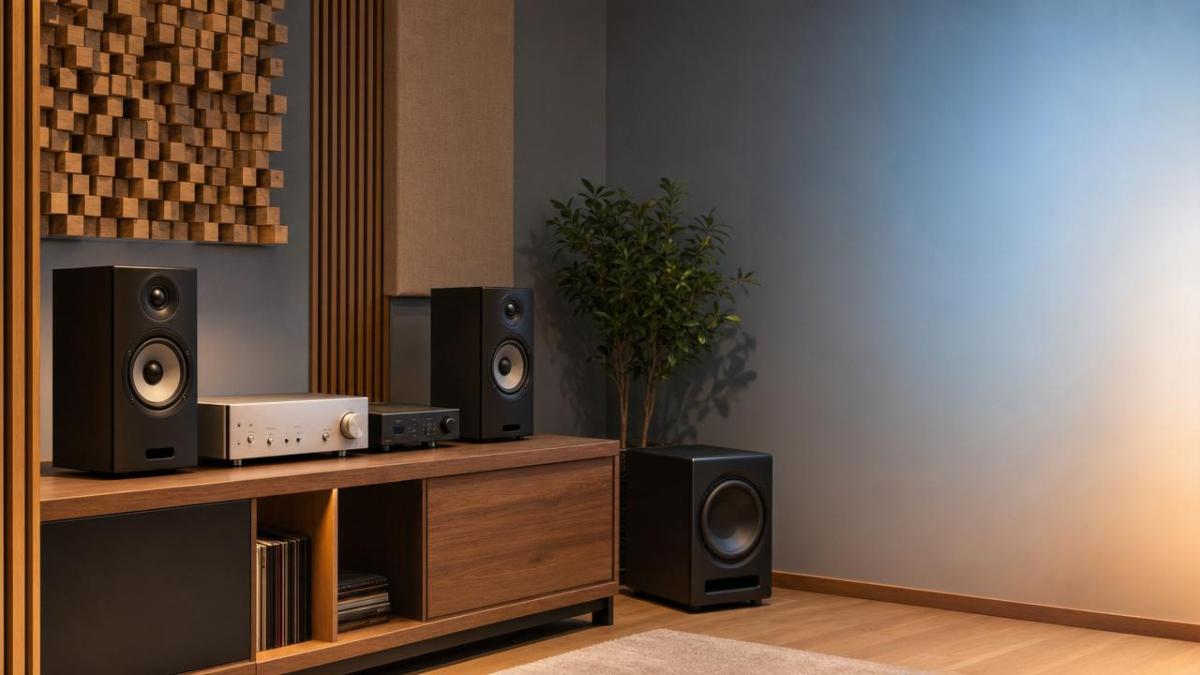
Most audio equipment upgrades fail when buyers replace the most visible item instead of the most limiting one. A premium amplifier cannot fix poor speaker placement.
Think of your setup as a 5-part chain: source, signal conversion, amplification, speaker or headphone output, and listening environment.
Map Your Current System Before Spending
List every component you use daily, including streaming platform, TV output, USB interface, receiver, speaker wire, headphones, and power supply.
Then identify symptoms. Harsh treble, weak bass, low dialogue clarity, and uneven volume usually point to different causes.
- If dialogue is unclear, check center-channel placement, room reflections, and TV audio compression first.
- If bass feels boomy, speaker location and room modes often matter more than subwoofer price.
- If headphones sound flat, the issue may be output power, impedance matching, or low-quality files.
- If streaming sounds inconsistent, compare 256 kbps, 320 kbps, lossless, and local files.
Use a 3-Step Diagnostic Method
First, change one variable at a time. Second, listen for 20–30 minutes. Third, compare the same 3 tracks repeatedly.
This controlled approach prevents emotional buying and helps you invest in audio equipment that solves a real listening problem.
Match Audio Equipment to Your Listening Scenario
The best audio equipment for a 12-square-meter office is not the same as equipment for a 30-square-meter living room.
Room size, seating distance, noise level, and content type determine whether speakers, headphones, soundbars, or separates make more sense.
The table below compares common consumer scenarios using practical criteria such as space, upgrade priority, and likely performance bottlenecks.
The key conclusion is simple: match the format to the room before comparing brands. Correct scale often improves sound more than a higher price tier.
Speakers, Headphones, or Soundbar?
Speakers create physical space and impact, but they need placement freedom. Headphones offer detail, but they isolate the listener.
Soundbars are efficient for TV use, especially where a 5.1 system is impractical. Each option solves a different consumer constraint.
Focus on Audible Specifications, Not Marketing Numbers
Audio equipment specifications can guide good decisions, but only when interpreted correctly. Bigger numbers may be irrelevant without context.
For example, frequency response of 20 Hz–20 kHz looks impressive, yet tolerance such as ±3 dB is more informative.
Specifications That Usually Matter
When comparing audio equipment, prioritize ratings that describe real operation: power into a stated impedance, distortion level, sensitivity, and usable frequency response.
- Speaker sensitivity: 86–90 dB is common; higher sensitivity needs less amplifier power.
- Amplifier power: compare watts at 4 ohms or 8 ohms with distortion stated.
- Headphone impedance: 16–32 ohms is easy to drive; 250–600 ohms often needs dedicated amplification.
- Signal-to-noise ratio: above 90 dB is usually sufficient for consumer listening.
Where Precision Engineering Thinking Helps
G-PME’s industrial perspective values measurable fit, material integrity, and operating stability. Consumers can use the same mindset when evaluating audio equipment.
Look for clear tolerances, stated test conditions, serviceable construction, and compatibility data rather than vague promises about “studio-grade” performance.
A well-built connector, rigid cabinet, stable heat design, or low-noise power section may deliver more value than an inflated peak-power claim.
Budget Allocation: Spend Where You Hear the Difference
A balanced budget prevents one premium component from being limited by cheaper supporting equipment. This matters for both entry-level and enthusiast systems.
For many consumers, a 3-tier plan works well: fix placement first, upgrade transducers second, improve electronics third.
The following allocation guide is not a strict rule, but it helps prevent overspending on low-impact accessories.
The important lesson is that audio equipment value depends on balance. A moderate system installed well can outperform costly gear installed poorly.
When to Buy New, Used, or Refurbished
New products are best when warranty, software updates, and return periods matter. Used speakers can be excellent if drivers are undamaged.
For powered audio equipment, check heat marks, buzzing, intermittent channels, and firmware support. A 7–14 day return window reduces risk.
Compatibility, Installation, and Maintenance Matter
Even excellent audio equipment disappoints when impedance, power, cabling, ventilation, or software integration is overlooked.
Before purchase, confirm 6 practical points: input type, output power, room size, mounting location, control method, and service access.
Check Electrical and Physical Fit
Passive speakers require suitable amplifier power. A mismatch can cause clipping, distortion, or driver damage at high listening levels.
Powered speakers and soundbars need stable power outlets, ventilation clearance of roughly 5–10 cm, and reliable signal input.
- Confirm HDMI ARC, optical, USB, Bluetooth, Wi-Fi, or analog input compatibility before ordering.
- Measure available shelf depth, stand height, and listening distance before choosing cabinet size.
- Keep speaker cables equal enough for clean routing, but avoid unnecessary 10-meter excess runs.
- Allow firmware setup time, usually 15–45 minutes for connected audio equipment.
Maintenance Is Part of Sound Quality
Dust, heat, loose connectors, and outdated software can reduce performance. Inspect connections every 3–6 months.
For headphones, replace pads when seal quality declines. For speakers, check rattles, cabinet movement, and grille vibration at moderate volume.
Common Mistakes When Upgrading Audio Equipment
Many buyers lose value because they upgrade emotionally. A showroom impression lasting 5 minutes may not match daily listening conditions.
The best protection is a defined purchase brief: room dimensions, content mix, listening volume, budget ceiling, and must-have connections.
Mistake 1: Treating Volume as Quality
Louder playback can seem more exciting, but clean midrange, controlled bass, and low distortion matter more for long sessions.
When comparing audio equipment, level-match within about 1 dB if possible. Otherwise, the louder product usually seems better.
Mistake 2: Ignoring the Room
Hard floors, glass walls, and empty rooms create reflections. Simple rugs, curtains, and shelves can improve clarity quickly.
For serious systems, basic measurement with a calibrated microphone can reveal peaks and nulls from 30 Hz to 300 Hz.
Mistake 3: Buying for Rare Use Cases
If 80% of listening is streaming music, do not overspend on features used twice a year.
Choose audio equipment around real weekly habits, not theoretical scenarios. Convenience often determines whether upgrades are actually used.
A Practical Upgrade Workflow for Consumers
A structured workflow reduces regret and helps consumers communicate clearly with retailers, installers, or technical consultants.
Use a 5-step process: define goals, diagnose the bottleneck, shortlist equipment, test compatibility, and review after installation.
Step-by-Step Purchase Plan
- Define one primary goal, such as clearer dialogue, deeper bass, better imaging, or private listening.
- Set a budget range with a 10–15% reserve for stands, cables, mounts, or delivery.
- Compare 3–5 products using the same tracks, room size, and volume level.
- Confirm return policy, warranty length, spare parts availability, and software support.
- Reassess after 2 weeks, once placement, break-in perception, and daily habits stabilize.
Where Expert Guidance Adds Value
Consumers do not need industrial procurement complexity, but they do benefit from disciplined comparison and technical verification.
G-PME’s data-driven engineering culture supports a smarter buying mindset: compare evidence, evaluate compatibility, and focus on operational reliability.
This approach is useful for audio equipment because performance depends on interaction between components, not isolated product claims.
Final Buying Guidance
The most important factor when upgrading audio equipment is system fit. Your room, source quality, listening distance, and habits set the real standard.
Start with the weakest link, compare meaningful specifications, protect your budget balance, and verify compatibility before installation.
For consumers who want reliable decisions instead of guesswork, a structured technical review can turn confusing choices into a clear upgrade path.
To evaluate your next audio equipment upgrade with a more precise, engineering-informed framework, contact us to discuss product details, compatibility factors, and tailored solution options.
Recommended News
 Which electronic components most affect smart actuator reliability?Electronic components that shape smart actuator reliability: evaluate power supplies, motor drives, sensors, control boards, and connectors for demanding industrial performance.
 When do reshoring CNC investment opportunities justify 5-axis capacity?Explore when reshoring CNC investment opportunities justify 5-axis capacity—reduce setups, strengthen quality control, cut supply-chain risk, and build a resilient local machining strategy.
 What compliance documents should an industrial chemicals exporter provide?Industrial chemicals exporter compliance guide: learn which SDS, CoA, transport, customs, and market-access documents help prevent delays and risks.
 How to assess a smart device manufacturing solutions factoryAssess a smart device manufacturing solutions factory with practical insights on engineering, quality, testing, supply-chain resilience, and pilot builds.
 What CE certification means for a CNC controller systemCNC controller system CE certified: learn what CE marking covers, how to verify safety, EMC, documentation, and retrofit compliance for EU machinery.
 When industrial sewing is the right fit for high-volume productionIndustrial sewing for high-volume production: learn how seam design, material control, automation, and quality planning drive reliable output and lower risk.
 How ATC tool change time data reveals hidden cycle-time lossesATC tool change time data reveals hidden cycle-time losses, separates mechanical delays from program motion, and helps manufacturers improve uptime, capacity, and delivery confidence.
 What to verify before selecting a sinker EDM machine supplierChoose a reliable sinker EDM machine supplier with confidence. Verify machining trials, electrode compatibility, automation, service support, and total ownership risk.
 How brass alloy choice affects industrial machining part tolerancesIndustrial machining brass parts: discover how alloy selection influences tolerance stability, tool wear, bore accuracy, threads, and reliable high-volume production.
 What to verify before selecting an electronics contract manufacturerElectronics manufacturing solutions: learn what to verify before choosing a contract manufacturing partner, from quality systems and testing to sourcing, traceability, and change control.
 How to check color accuracy before approving custom enamel pinsCustom enamel pins color accuracy starts before approval. Learn how to review Pantone references, proofs, plating, and samples for confident results.
 When do multilayer carbide coatings extend tool life in dry machining?Multilayer carbide coatings extend tool life in dry machining when heat, adhesion, abrasion, and edge loading are controlled. Learn how to match layers, substrates, and parameters for reliable performance.
 When occupancy controls reduce warehouse lighting energy wasteWarehouse lighting occupancy controls cut energy waste through smarter zoning, sensor placement, dimming, and commissioning. Discover practical strategies for safer, lower-cost operations.
 How to size an ESS for reducing peak-demand chargesESS sizing for peak-demand charge reduction: learn how to match power, usable energy, tariff rules, controls, and recharge strategy to lower billed demand reliably.
 How textile chemicals affect dye-house wastewater treatment costsTextile chemicals can raise dye-house wastewater treatment costs through COD, color, sludge, salt, and fouling. Discover practical ways to assess total chemical cost.
 When does 5-axis machining make sense for furniture manufacturing?Furniture manufacturing leaders: discover when 5-axis machining delivers real value through complex geometry, fewer setups, better joinery, and premium finishes.
 How to read a 5-axis positioning accuracy chart before machine acceptance5 axis positioning accuracy chart guide for machine acceptance: learn to assess error, repeatability, backlash, and rotary-axis risks before production sign-off.
 When do sludge dewatering machines lower hauling costs?Sludge dewatering machines cut hauling costs when higher cake solids reduce loads, weight, and collection frequency. Explore thresholds, savings, and selection factors.
 How to verify CE certification for industrial pumps before installationIndustrial pumps CE certified? Learn how to verify declarations, documentation, hazardous-area suitability, and installation compliance before commissioning.
 How to compare a plasma cutting machine supplier before placing an orderCompare a plasma cutting machine supplier with confidence—evaluate cut quality, total cost, consumables, and after-sales support before you order.
 Which factory upgrade projects benefit most from industrial technology solutions?Industrial technology solutions factory upgrade projects deliver the most value when they remove bottlenecks, cut downtime, improve quality, and strengthen resilience. Explore high-impact priorities.






Search News
Popular Tags