
How can valves suppliers reduce leakage risks?

Leakage risk is a critical performance and compliance concern in fluid control systems, affecting safety, uptime, energy efficiency, and total lifecycle cost. For technical evaluators, assessing valves suppliers requires more than comparing specifications or unit prices; it demands verification of material compatibility, sealing architecture, machining precision, testing protocols, and traceable quality systems. This article examines how valves suppliers can systematically reduce leakage risks through engineering controls, standards-based validation, and supply-chain discipline.
Why leakage risk is a supplier capability issue, not only a valve issue
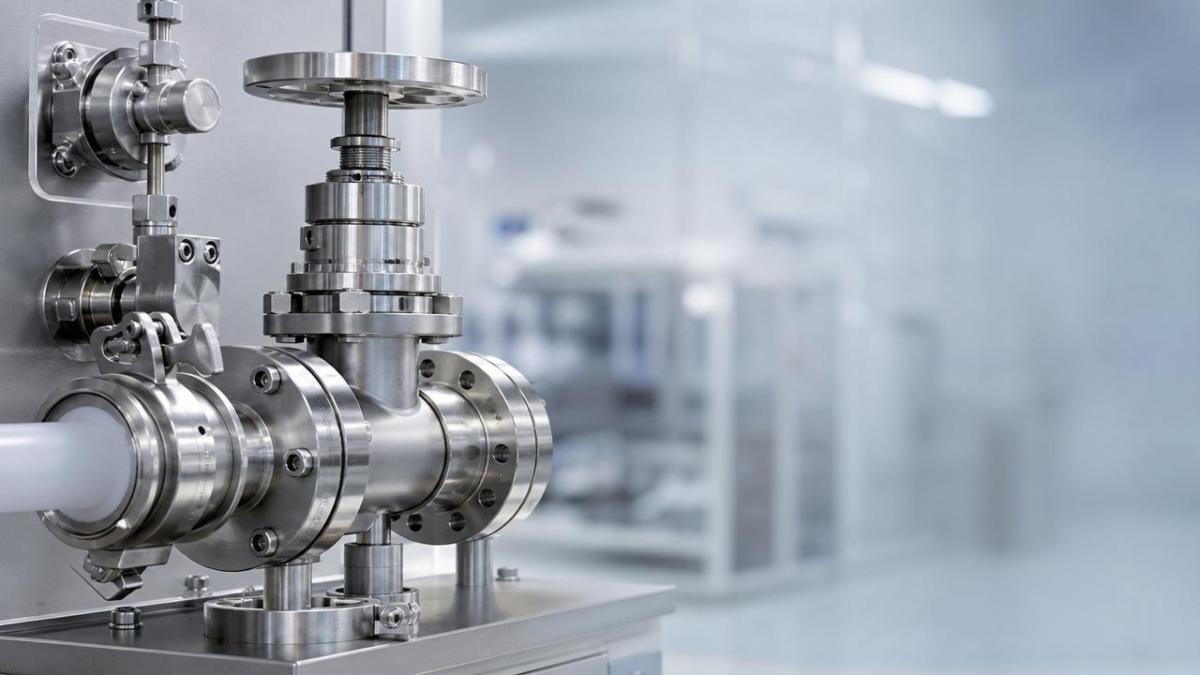
In industrial fluid control, leakage is rarely caused by a single weak component. It can originate from material mismatch, unstable machining, incorrect torque, unsuitable packing, poor surface finish, or incomplete testing.
For technical evaluators, the key question is whether valves suppliers control the full chain from design intent to delivered conformity. A compliant drawing does not guarantee leak-tight performance.
Common leakage paths technical teams should map first
- Seat leakage caused by poor sealing geometry, particle contamination, deformation, or unsuitable soft-seat materials under temperature and pressure cycling.
- Stem or gland leakage caused by packing relaxation, incorrect compression, stem scoring, excessive friction, or incompatible fugitive emission requirements.
- Body and bonnet leakage caused by casting defects, gasket creep, flange misalignment, bolt preload loss, or thermal expansion differences.
- End-connection leakage caused by incorrect welding procedure, thread tolerance deviation, flange face damage, or installation stress from piping systems.
Reliable valves suppliers treat these leakage paths as engineering variables. They document risks, define inspection points, and verify the valve under conditions close to the intended service.
What should valves suppliers control during design and material selection?
Leakage prevention starts before machining. The valve type, pressure class, temperature range, fluid chemistry, actuation mode, and installation environment must be translated into measurable design controls.
In cross-industry projects, one plant may handle steam, hydrocarbons, acids, cooling water, lubricants, compressed air, and high-purity media. Generic selection logic is not sufficient.
Material compatibility must be verified against service conditions
Qualified valves suppliers should review corrosion resistance, hardness, galling risk, elastomer swelling, low-temperature embrittlement, and erosion potential. A material certificate alone does not confirm suitability.
For example, stainless steel may be appropriate for many process lines but vulnerable to chloride stress corrosion. Elastomers may seal well initially yet fail rapidly in aromatic solvents.
- Confirm wetted material grade, heat treatment condition, hardness range, and applicable material standard before purchase approval.
- Check seat, seal, gasket, and packing compatibility with actual fluid composition, including additives, contaminants, and cleaning chemicals.
- Require traceability from raw material heat number to finished valve body, trim, stem, bolting, and sealing components.
Key leakage-control parameters technical evaluators should request
Technical evaluators should ask valves suppliers for parameter evidence, not broad assurances. Leakage reduction depends on controlled tolerances, validated surfaces, and testing matched to risk.
This table helps separate specification-based selling from controlled manufacturing. Strong valves suppliers can explain how each parameter is measured, recorded, and corrected when deviation occurs.
How machining precision and sealing architecture reduce leakage
Precision machining is central to valve tightness. Even a high-grade alloy cannot compensate for poor coaxiality, uneven seat contact, rough stem surfaces, or distorted gasket faces.
Machining controls that matter in real procurement reviews
- CNC process stability should be supported by controlled tooling wear, calibrated gauges, and defined inspection frequency for critical dimensions.
- Seat and disc alignment should be checked after machining and after assembly, because distortion can appear during final tightening.
- Stem straightness and surface finish should match packing design, especially for valves exposed to frequent cycling or emission limits.
- Threaded, welded, and flanged ends should be inspected for dimensional conformity to reduce installation-induced leakage.
G-PME evaluates such factors across precision machining, fastening, sealing, and fluid control disciplines. This multidisciplinary view is valuable when leakage risk crosses component boundaries.
Sealing architecture should match operating behavior
Static seals, dynamic seals, soft seats, metal seats, bellows seals, graphite packing, and live-loaded packing all solve different problems. They are not interchangeable upgrades.
Technical evaluators should challenge valves suppliers to justify the sealing architecture. The explanation should connect media, cycling frequency, thermal range, fugitive emission concern, and maintenance access.
Which testing and standards help validate leakage performance?
Testing must be specified with acceptance criteria. A statement that a valve is “tested” is not enough for high-risk systems, regulated sites, or compressed project schedules.
The following comparison shows how valves suppliers may align validation methods with common industrial leakage concerns. Applicable standards depend on valve type, region, and project specification.
Testing evidence should be reviewed before shipment, not after commissioning problems appear. Capable valves suppliers provide records that connect each valve to its actual inspection outcome.
How to compare valves suppliers for leakage-risk reduction
A low quotation can become expensive when leakage causes shutdowns, environmental incidents, rework, or emergency replacement. Supplier comparison should include engineering depth and response capability.
Decision matrix for technical evaluators
When comparing valves suppliers, evaluators can score each candidate using risk-weighted criteria. The aim is not to select the most complex valve, but the most verifiable solution.
This matrix is especially useful for EPC contractors and plant engineering teams. It converts supplier claims into auditable procurement questions and reduces subjective selection pressure.
Procurement checklist: what documents should be requested before award?
Leakage risk rises when commercial teams approve purchase orders before technical evidence is complete. A structured checklist keeps valves suppliers accountable during bidding and manufacturing.
- Application datasheet covering fluid properties, pressure, temperature, corrosion risk, flow condition, installation orientation, and operating frequency.
- Material list for body, bonnet, trim, stem, seats, gaskets, packing, bolting, and any coating or surface treatment.
- Inspection and test plan identifying hold points, witness points, acceptance criteria, and responsibility between buyer and supplier.
- Pressure and leakage test procedure stating standard reference, test medium, pressure level, stabilization time, and leakage allowance.
- Assembly procedure for torque, packing compression, gasket installation, actuator mounting, and final functional verification.
- Packing, preservation, and transportation method to prevent flange damage, contamination, corrosion, and seal deformation before installation.
Technical evaluators should also define deviation handling. If valves suppliers substitute materials, seals, coatings, or actuator components, approval should occur before production changes are made.
Where do leakage risks increase across different industrial scenarios?
The best valve configuration changes by operating scenario. Technical evaluators should avoid using one preferred specification for every line, even within the same facility.
Scenario-based risk priorities
- Chemical processing requires strong material compatibility review, emission control, gasket resistance, and clear maintenance access for hazardous media.
- Power and steam systems require attention to thermal cycling, high-temperature packing, pressure class, and flange bolt relaxation.
- Water treatment systems require corrosion, scaling, abrasive particles, elastomer life, and reliable operation under frequent cycling.
- Oil, gas, and fuel systems require fire-safe design assessment, fugitive emission control, anti-static features where applicable, and robust traceability.
- Precision manufacturing utilities require cleanliness, stable actuation, low particle generation, and documentation that supports internal quality audits.
Experienced valves suppliers should identify these scenario differences during technical clarification. If a supplier treats all applications identically, leakage risk is probably being underestimated.
FAQ: practical questions when assessing valves suppliers
How can technical evaluators confirm a valve will not leak in service?
No supplier can reasonably guarantee zero leakage under all future conditions. Evaluators should confirm suitability through service data review, material compatibility, defined leakage class, and documented tests.
Are hydrostatic tests enough to evaluate leakage risk?
Hydrostatic testing is important, but it may not reflect gas leakage, thermal cycling, frequent operation, or fugitive emission concerns. Additional tests may be required for critical systems.
Should buyers always select metal-seated valves for severe service?
Not always. Metal seats tolerate temperature and erosion better in many cases, but soft seats may provide tighter shutoff in clean, compatible service. Selection depends on the duty.
What is the most common procurement mistake?
The most common mistake is comparing valves suppliers by price and delivery only. Leakage risk is hidden in design details, testing scope, sub-supplier control, and installation assumptions.
Why choose G-PME for leakage-risk evaluation and supplier intelligence?
G-PME supports technical evaluators who need more than catalog comparison. Our platform connects precision machining, industrial sealing, fastening, fluid control, and material intelligence into one assessment framework.
For valves suppliers, this means leakage prevention can be evaluated from design, metallurgy, surface quality, sealing system, test evidence, and supply-chain resilience rather than isolated specifications.
Consult us when your project requires verifiable decisions
- Parameter confirmation for pressure, temperature, media compatibility, shutoff class, emission requirement, and installation condition.
- Supplier comparison based on machining capability, material traceability, sealing architecture, test protocol, and documentation quality.
- Custom option review for special alloys, packing systems, actuator integration, coating choices, or severe-service leakage control.
- Certification and documentation alignment for ISO, ASME, DIN, JIS, API-related requirements, or project-specific compliance packages.
- Quotation and delivery discussion supported by technical risk ranking, not only nominal size, valve type, and unit price.
If you are evaluating valves suppliers for a critical system, G-PME can help structure the technical questions, review evidence, and identify leakage risks before procurement approval.
Recommended News
 How to size extrusion equipment for a target production outputSize extrusion equipment to meet your production targets. Learn how to calculate throughput, identify line bottlenecks, and verify capacity to avoid costly sizing mistakes.
 How to assess 5-axis demand in machining center market analysisStrengthen your machining center market analysis: learn how to assess 5-axis workloads, buyer readiness, and investment costs to build credible demand forecasts and avoid costly overestimates.
 Can procurement support reduce contract manufacturing tooling delays?Discover industrial procurement support contract manufacturing teams can use to cut avoidable tooling delays, secure materials, and keep production launches on track.
 Which export insights matter when entering a new market?Export insights for new-market entry: assess demand, standards, delivered costs, supply resilience, and buyer approval paths to build a profitable expansion plan.
 How industrial technology solutions in Southeast Asia handle humid sitesIndustrial technology solutions Southeast Asia: learn how site-adapted materials, sealing, condensation control, and maintenance strategies improve reliability in humid, coastal, and high-corrosion industrial environments.
 How hospitals can size telemedicine hardware for peak virtual visitsTelemedicine hardware for hospitals: learn how to size reliable endpoints for peak virtual visits, optimize reserves, workflows, network readiness, and uptime.
 Which electronic components most affect smart actuator reliability?Electronic components that shape smart actuator reliability: evaluate power supplies, motor drives, sensors, control boards, and connectors for demanding industrial performance.
 When do reshoring CNC investment opportunities justify 5-axis capacity?Explore when reshoring CNC investment opportunities justify 5-axis capacity—reduce setups, strengthen quality control, cut supply-chain risk, and build a resilient local machining strategy.
 What compliance documents should an industrial chemicals exporter provide?Industrial chemicals exporter compliance guide: learn which SDS, CoA, transport, customs, and market-access documents help prevent delays and risks.
 How to assess a smart device manufacturing solutions factoryAssess a smart device manufacturing solutions factory with practical insights on engineering, quality, testing, supply-chain resilience, and pilot builds.
 What CE certification means for a CNC controller systemCNC controller system CE certified: learn what CE marking covers, how to verify safety, EMC, documentation, and retrofit compliance for EU machinery.
 When industrial sewing is the right fit for high-volume productionIndustrial sewing for high-volume production: learn how seam design, material control, automation, and quality planning drive reliable output and lower risk.
 How ATC tool change time data reveals hidden cycle-time lossesATC tool change time data reveals hidden cycle-time losses, separates mechanical delays from program motion, and helps manufacturers improve uptime, capacity, and delivery confidence.
 What to verify before selecting a sinker EDM machine supplierChoose a reliable sinker EDM machine supplier with confidence. Verify machining trials, electrode compatibility, automation, service support, and total ownership risk.
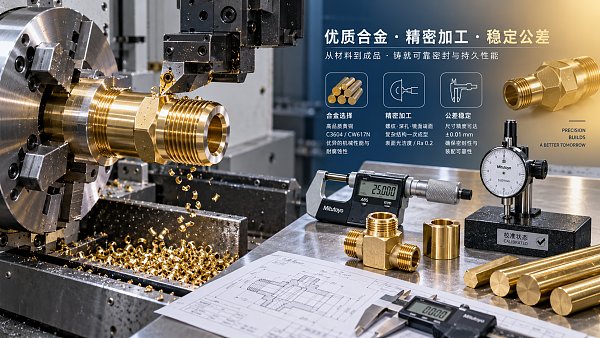
 How brass alloy choice affects industrial machining part tolerancesIndustrial machining brass parts: discover how alloy selection influences tolerance stability, tool wear, bore accuracy, threads, and reliable high-volume production.
 What to verify before selecting an electronics contract manufacturerElectronics manufacturing solutions: learn what to verify before choosing a contract manufacturing partner, from quality systems and testing to sourcing, traceability, and change control.
 How to check color accuracy before approving custom enamel pinsCustom enamel pins color accuracy starts before approval. Learn how to review Pantone references, proofs, plating, and samples for confident results.
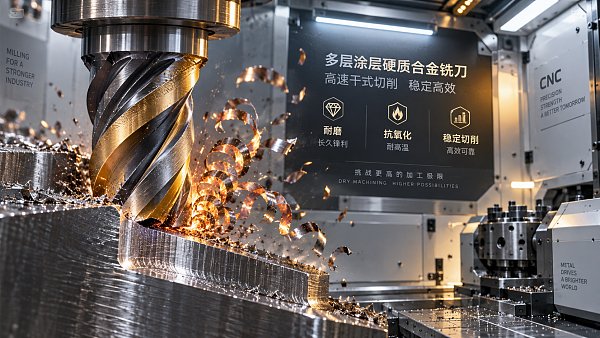
 When do multilayer carbide coatings extend tool life in dry machining?Multilayer carbide coatings extend tool life in dry machining when heat, adhesion, abrasion, and edge loading are controlled. Learn how to match layers, substrates, and parameters for reliable performance.
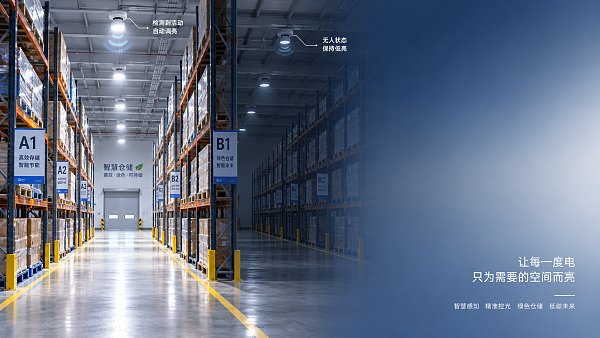
 When occupancy controls reduce warehouse lighting energy wasteWarehouse lighting occupancy controls cut energy waste through smarter zoning, sensor placement, dimming, and commissioning. Discover practical strategies for safer, lower-cost operations.
 How to size an ESS for reducing peak-demand chargesESS sizing for peak-demand charge reduction: learn how to match power, usable energy, tariff rules, controls, and recharge strategy to lower billed demand reliably.
 How textile chemicals affect dye-house wastewater treatment costsTextile chemicals can raise dye-house wastewater treatment costs through COD, color, sludge, salt, and fouling. Discover practical ways to assess total chemical cost.






Search News
Popular Tags