
Why CNC lathe manufacturer lead times vary so much
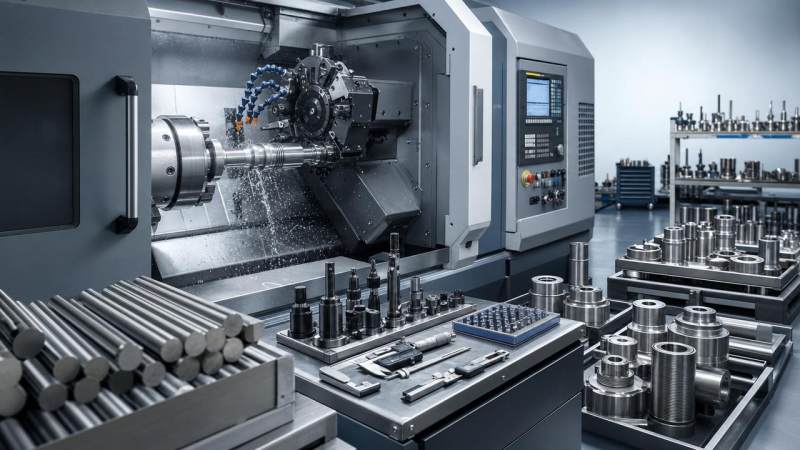
Why do lead times from one cnc lathe manufacturer differ so sharply from another? The short answer is that delivery speed reflects a changing industrial system, not only machine availability.
Across modern manufacturing, precision parts now face tighter tolerances, shorter product cycles, and more volatile input markets. That combination makes lead times less predictable than many buyers expect.
For high-value projects, understanding why each cnc lathe manufacturer quotes a different timeline helps reduce schedule risk, improve supplier selection, and protect quality outcomes.
Lead-time gaps are widening as machining demand becomes more complex
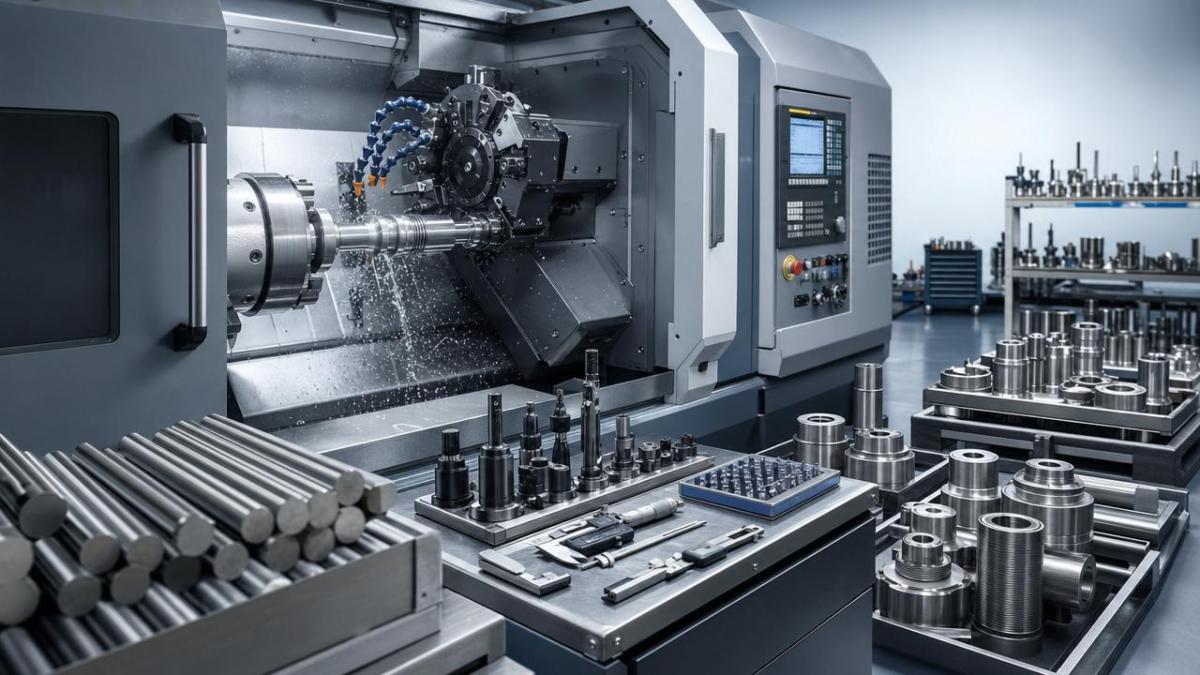
The market no longer rewards speed alone. A capable cnc lathe manufacturer must align materials, tooling, programming, inspection, and logistics without disruption.
At the same time, customers increasingly request multi-operation parts, traceable materials, and documented compliance with ISO, DIN, ASME, or JIS requirements.
That shift changes quoting behavior. One supplier may promise short delivery based on standard capacity, while another builds in realistic time for validation and process control.
The result is a wider spread between optimistic and dependable lead times. In many cases, the fastest quote is not the lowest-risk option.
Several trend signals explain why one cnc lathe manufacturer moves faster than another
Recent industrial changes show that lead times are shaped by upstream constraints and downstream verification needs. The table below summarizes the main drivers.
These factors interact. A strong cnc lathe manufacturer may still need longer lead time if the part requires imported titanium, custom tooling, and outsourced surface treatment.
The biggest hidden cause is not capacity, but process readiness
Many buyers assume a short queue means fast shipment. In practice, process readiness often decides whether a part starts smoothly or stalls before first cut.
Material readiness changes the clock immediately
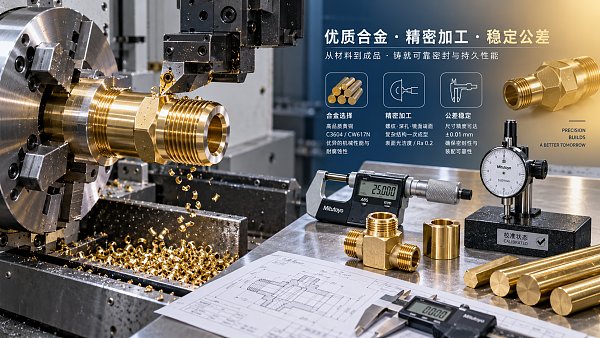
A cnc lathe manufacturer working with stainless steel, Inconel, brass, or hardened alloy steel cannot rely on one universal stocking model.
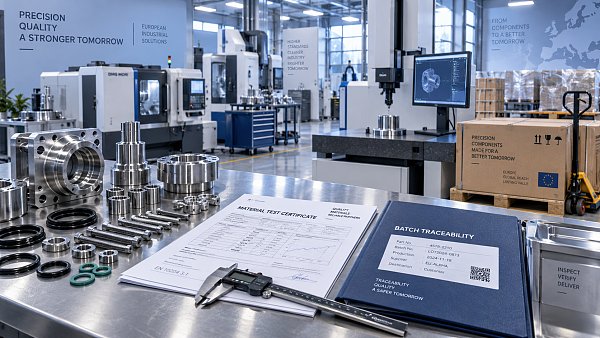
Bar diameter, heat number traceability, straightness, and mill certificates all matter. If one specification is missing, production may pause before machining even begins.
Programming and fixturing depend on part risk
Simple shafts can move quickly. Thin-wall parts, eccentric features, fine threads, and concentricity requirements demand more simulation and setup validation.
A disciplined cnc lathe manufacturer may add time for trial cuts, tool-life verification, and fixture adjustment. That extra preparation often prevents scrap and delay later.
Quality assurance can extend timelines for good reasons
Inspection plans now carry more weight in industrial procurement. Dimensional reports, SPC records, and first article inspections can be mandatory.
When a cnc lathe manufacturer includes these steps, lead time may look longer, but schedule reliability usually improves.
Supply-chain structure now influences every cnc lathe manufacturer quote
Industrial lead times increasingly reflect network design. Even an advanced workshop can only move as fast as its suppliers, subcontractors, and freight channels allow.
This matters most when turning is only one step in a broader manufacturing sequence. Many parts also require milling, grinding, coating, assembly, or packaging controls.
- In-house secondary operations usually shorten coordination time.
- Approved subcontractor networks can improve flexibility but add scheduling layers.
- Single-source dependencies create bottlenecks during material or freight disruption.
- Regional sourcing can reduce transit variability for urgent programs.
A resilient cnc lathe manufacturer usually explains where the timeline risk sits: stock availability, machining queue, subcontract finish, or export transit.
Lead-time variation affects cost, quality, and launch confidence differently
Longer lead times are not always negative. Sometimes they signal realistic planning, controlled throughput, and better conformance for critical parts.
Shorter lead times are not always stronger either. An aggressive promise from a cnc lathe manufacturer may depend on assumptions that fail once production starts.
The key insight is simple. A dependable cnc lathe manufacturer should be judged by timeline credibility, not by the shortest number alone.
What deserves closer attention when comparing a cnc lathe manufacturer
Lead-time evaluation works best when it moves beyond a single delivery date. Several signals reveal whether a quote is robust or fragile.
- Material source and stock status, including certificates and alloy availability.
- Machine type fit, such as live tooling, sub-spindle, or bar feeder support.
- Tooling and fixture readiness for first-run parts.
- Inspection capability, including CMM access and documented control plans.
- Secondary process ownership and subcontractor approval status.
- Buffer planning for rework, validation, and shipping interruptions.
- Communication quality around milestones, assumptions, and exceptions.
A transparent cnc lathe manufacturer can usually explain each stage in the path from raw stock to released shipment.
A better response is to evaluate lead times by risk tier, not by headline speed
A practical response is to separate parts into risk levels. This creates more accurate delivery expectations and helps compare suppliers on equal terms.
- Classify parts by material risk, geometry difficulty, and inspection intensity.
- Ask each cnc lathe manufacturer to break lead time into sourcing, setup, machining, finishing, and logistics.
- Confirm which processes are in-house and which rely on outside capacity.
- Request milestone updates for prototype, first article, and mass production phases.
- Track quote accuracy over time to identify the most reliable supplier behavior.
This approach turns lead time from a sales promise into a measurable operational indicator.
The next step is to choose a cnc lathe manufacturer with verifiable timing logic
Lead-time variation is now a structural feature of modern machining. It reflects material markets, technical requirements, process maturity, and supply-chain design.
The strongest cnc lathe manufacturer is not simply the fastest. It is the one that can justify timing with data, controls, and realistic execution planning.
For organizations seeking precision, resilience, and industrial clarity, G-PME supports deeper evaluation through technical intelligence, supplier benchmarking, and cross-sector manufacturing insight.
Use the next RFQ review to map lead time by risk driver, verify each assumption, and compare every cnc lathe manufacturer on delivery credibility as well as machining capability.
Recommended News
 How ATC tool change time data reveals hidden cycle-time lossesATC tool change time data reveals hidden cycle-time losses, separates mechanical delays from program motion, and helps manufacturers improve uptime, capacity, and delivery confidence.
 What to verify before selecting a sinker EDM machine supplierChoose a reliable sinker EDM machine supplier with confidence. Verify machining trials, electrode compatibility, automation, service support, and total ownership risk.
 How brass alloy choice affects industrial machining part tolerancesIndustrial machining brass parts: discover how alloy selection influences tolerance stability, tool wear, bore accuracy, threads, and reliable high-volume production.
 What to verify before selecting an electronics contract manufacturerElectronics manufacturing solutions: learn what to verify before choosing a contract manufacturing partner, from quality systems and testing to sourcing, traceability, and change control.
 How to check color accuracy before approving custom enamel pinsCustom enamel pins color accuracy starts before approval. Learn how to review Pantone references, proofs, plating, and samples for confident results.
 When do multilayer carbide coatings extend tool life in dry machining?Multilayer carbide coatings extend tool life in dry machining when heat, adhesion, abrasion, and edge loading are controlled. Learn how to match layers, substrates, and parameters for reliable performance.
 When occupancy controls reduce warehouse lighting energy wasteWarehouse lighting occupancy controls cut energy waste through smarter zoning, sensor placement, dimming, and commissioning. Discover practical strategies for safer, lower-cost operations.
 How to size an ESS for reducing peak-demand chargesESS sizing for peak-demand charge reduction: learn how to match power, usable energy, tariff rules, controls, and recharge strategy to lower billed demand reliably.
 How textile chemicals affect dye-house wastewater treatment costsTextile chemicals can raise dye-house wastewater treatment costs through COD, color, sludge, salt, and fouling. Discover practical ways to assess total chemical cost.
 When does 5-axis machining make sense for furniture manufacturing?Furniture manufacturing leaders: discover when 5-axis machining delivers real value through complex geometry, fewer setups, better joinery, and premium finishes.
 How to read a 5-axis positioning accuracy chart before machine acceptance5 axis positioning accuracy chart guide for machine acceptance: learn to assess error, repeatability, backlash, and rotary-axis risks before production sign-off.
 When do sludge dewatering machines lower hauling costs?Sludge dewatering machines cut hauling costs when higher cake solids reduce loads, weight, and collection frequency. Explore thresholds, savings, and selection factors.
 How to verify CE certification for industrial pumps before installationIndustrial pumps CE certified? Learn how to verify declarations, documentation, hazardous-area suitability, and installation compliance before commissioning.
 How to compare a plasma cutting machine supplier before placing an orderCompare a plasma cutting machine supplier with confidence—evaluate cut quality, total cost, consumables, and after-sales support before you order.
 Which factory upgrade projects benefit most from industrial technology solutions?Industrial technology solutions factory upgrade projects deliver the most value when they remove bottlenecks, cut downtime, improve quality, and strengthen resilience. Explore high-impact priorities.
 When a high precision CNC grinding machine justifies its costDiscover when a high precision CNC grinding machine delivers real ROI through repeatable quality, lower scrap, faster verification, and controlled production.
 When do industrial lubricants for compressors need oil analysis?Industrial lubricants for compressors need oil analysis at baseline, under harsh operating conditions, and after warning signs. Learn how testing prevents downtime and protects equipment.
 How CNC controller processing speed affects cycle times in EuropeCNC controller processing speed Europe: discover how look-ahead, interpolation and CAM optimisation can cut cycle times while protecting precision and surface quality.
 What to verify before using supplier sourcing solutions in EuropeSupplier sourcing solutions Europe: verify capabilities, compliance, traceability, total cost, and supply resilience before choosing reliable industrial partners.
 When smart fabrics are reliable enough for industrial wearablesSmart fabrics for industrial wearables: learn how to validate durability, signal quality, cleaning resilience, and safe failure performance before deployment.
 How supply chain management for exporters reduces customs delaysSupply chain management for exporters helps prevent customs delays with accurate data, origin checks, importer readiness, and proactive shipment controls. Explore practical strategies now.





Search News
Popular Tags