
Choosing a CNC lathe manufacturer without costly mistakes
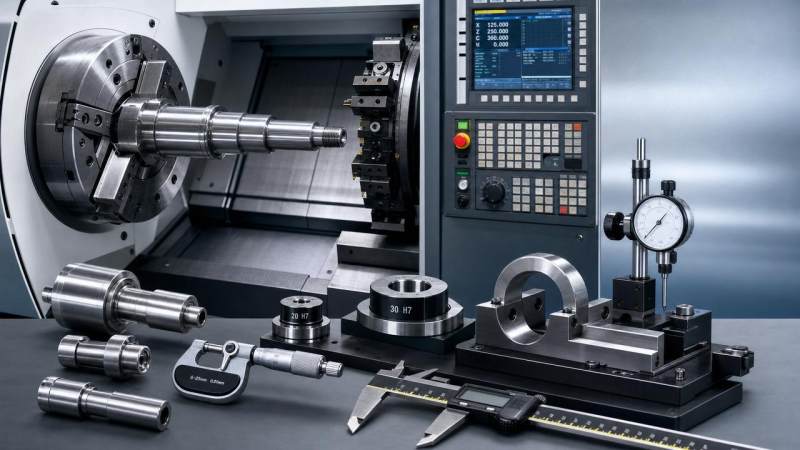
Choosing the right cnc lathe manufacturer can determine whether an operation gains precision, reliability, and long-term cost control—or absorbs delays, scrap, downtime, and hidden service costs.
The decision goes far beyond comparing spindle speed, swing diameter, or brochure pricing. A capable cnc lathe manufacturer must prove engineering depth, quality discipline, supply-chain resilience, and support over the machine lifecycle.
In complex industrial environments, a weak vendor choice can affect capacity planning, part consistency, compliance, and future expansion. The questions below help reduce expensive selection mistakes before contracts are signed.
What should a cnc lathe manufacturer actually be able to prove?
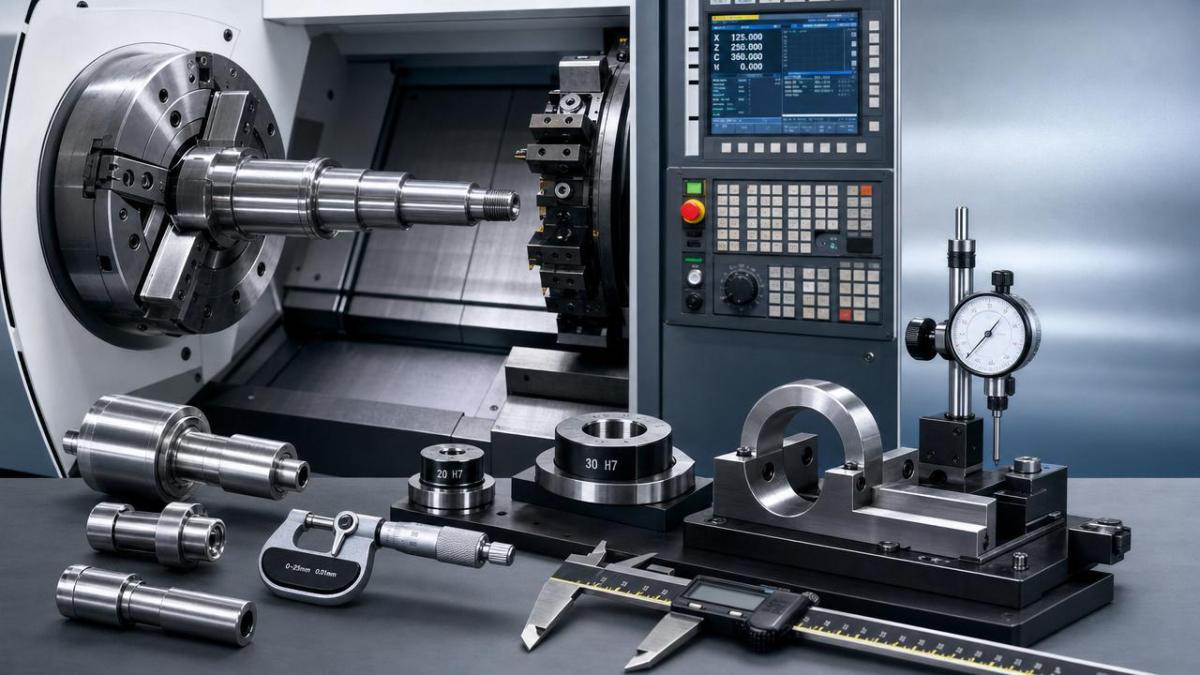
A serious cnc lathe manufacturer should prove more than machine assembly capability. It should demonstrate controlled design, process validation, documented testing, and repeatable production quality.
Request evidence in four areas: engineering, manufacturing, inspection, and after-sales infrastructure. If one area is vague, the total risk rises quickly.
Key proof points to verify
- Machine design documentation, BOM control, and revision management.
- In-house machining, scraping, spindle assembly, and geometry correction capability.
- Inspection systems for alignment, runout, backlash, vibration, and thermal stability.
- Factory acceptance testing with traceable reports.
- Spare-parts planning, remote diagnostics, and field-service response coverage.
For industrial buyers, the best signal is consistency between technical claims and physical factory evidence. A qualified cnc lathe manufacturer can explain how precision is achieved, measured, and maintained.
How do you compare cnc lathe manufacturers beyond quoted price?
Low initial price often hides later expenses. The true comparison should focus on total cost of ownership, not only capital expenditure.
A lower-priced machine may require more maintenance, produce unstable tolerances, or consume extra setup time. These losses compound over years.
Use a weighted comparison model
- Accuracy retention over time.
- Cycle-time performance under real materials.
- Control system compatibility with existing workflows.
- Tooling, chuck, tailstock, and automation integration.
- Delivery reliability and installation support.
- Training depth and parts availability.
Comparing each cnc lathe manufacturer on the same scorecard improves decision quality. It also reduces internal bias toward familiar brands or aggressive discounts.
Important hidden costs
- Foundation modifications or power requirements.
- Operator learning time and programming conversion.
- Downtime caused by delayed spare parts.
- Lower yield on tight-tolerance parts.
- Integration costs for bar feeders, robots, or MES systems.
Which quality and compliance checks matter most before purchase?
Not every certificate carries the same value. The goal is to confirm that the cnc lathe manufacturer follows controlled processes that affect machine performance in service.
ISO certification is useful, but it is only a starting point. It does not automatically guarantee machining accuracy or long-term machine stability.
Ask for these technical validations
- Laser calibration records and ball-bar test data.
- Geometric accuracy reports aligned with accepted standards.
- Spindle performance and thermal growth testing.
- Electrical safety and control cabinet documentation.
- Material traceability for critical structural components.
For regulated industries, acceptance protocols should match internal compliance expectations. A dependable cnc lathe manufacturer should support FAT, SAT, documentation packages, and audit visibility.
Why this matters in mixed-industry applications
General industry users often serve multiple sectors at once. A machine may turn hydraulic parts today, stainless fittings next month, and alloy shafts later.
That variety makes process stability critical. The right cnc lathe manufacturer should support broad material ranges without sacrificing repeatability or maintenance predictability.
What supply-chain and service risks cause the most costly mistakes?
Many failures appear after installation, not before purchase. Machines can be technically sound, yet commercially risky because service, parts, or logistics are weak.
A reliable cnc lathe manufacturer should explain its component sourcing strategy, lead-time risk controls, and contingency plans for critical items.
Common risk areas
- Single-source dependency for spindle, servo, or CNC controls.
- Limited local field-service capability.
- No guaranteed stock for wear parts.
- Weak training documentation and poor commissioning support.
- Unclear warranty exclusions and response times.
These issues directly affect uptime. When evaluating a cnc lathe manufacturer, ask how many service engineers are available, where parts are stored, and how failures are escalated.
Questions worth asking during supplier review
What is the average spare-part dispatch time? Which components are stocked regionally? Can remote troubleshooting begin within hours? Are preventive maintenance kits standardized?
A transparent cnc lathe manufacturer will answer clearly and document commitments. Ambiguous replies often indicate future delays.
How can trial runs, references, and factory audits reduce uncertainty?
A brochure can describe capacity. Only evidence from trial cuts, user references, and on-site audits reveals whether the supplier performs under practical conditions.
Whenever possible, send a representative workpiece for testing. This is one of the best ways to compare each cnc lathe manufacturer objectively.
What to observe in a trial cut
- Actual cycle time versus quoted time.
- Surface finish consistency.
- Dimensional repeatability across multiple pieces.
- Tool wear behavior and chip evacuation.
- Programming clarity and setup simplicity.
Factory audits matter as much as test cuts. A credible cnc lathe manufacturer should welcome review of assembly flow, inspection stations, warehouse control, and service documentation.
What final checklist helps choose a cnc lathe manufacturer without regret?
A practical checklist keeps the selection grounded in facts. It also helps align technical, commercial, and operational expectations before approval.
Before signing, compare the top candidates again using the same acceptance criteria. The strongest cnc lathe manufacturer is not always the cheapest or most visible one.
It is the supplier that combines proven machining performance, transparent quality systems, dependable support, and stable long-term economics.
Use this framework to narrow choices, request evidence, and validate assumptions with trial data. That disciplined approach is the most effective way to choose a cnc lathe manufacturer without costly mistakes.
Recommended News
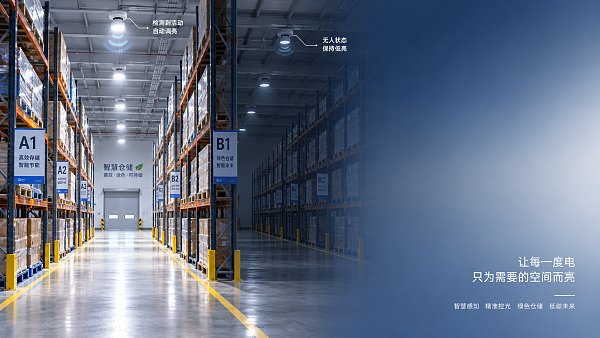
 When occupancy controls reduce warehouse lighting energy wasteWarehouse lighting occupancy controls cut energy waste through smarter zoning, sensor placement, dimming, and commissioning. Discover practical strategies for safer, lower-cost operations.
 How to size an ESS for reducing peak-demand chargesESS sizing for peak-demand charge reduction: learn how to match power, usable energy, tariff rules, controls, and recharge strategy to lower billed demand reliably.
 How textile chemicals affect dye-house wastewater treatment costsTextile chemicals can raise dye-house wastewater treatment costs through COD, color, sludge, salt, and fouling. Discover practical ways to assess total chemical cost.
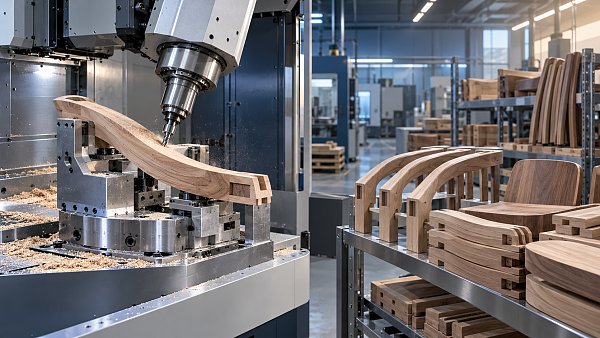
 When does 5-axis machining make sense for furniture manufacturing?Furniture manufacturing leaders: discover when 5-axis machining delivers real value through complex geometry, fewer setups, better joinery, and premium finishes.
 How to read a 5-axis positioning accuracy chart before machine acceptance5 axis positioning accuracy chart guide for machine acceptance: learn to assess error, repeatability, backlash, and rotary-axis risks before production sign-off.
 When do sludge dewatering machines lower hauling costs?Sludge dewatering machines cut hauling costs when higher cake solids reduce loads, weight, and collection frequency. Explore thresholds, savings, and selection factors.
 How to verify CE certification for industrial pumps before installationIndustrial pumps CE certified? Learn how to verify declarations, documentation, hazardous-area suitability, and installation compliance before commissioning.
 How to compare a plasma cutting machine supplier before placing an orderCompare a plasma cutting machine supplier with confidence—evaluate cut quality, total cost, consumables, and after-sales support before you order.
 Which factory upgrade projects benefit most from industrial technology solutions?Industrial technology solutions factory upgrade projects deliver the most value when they remove bottlenecks, cut downtime, improve quality, and strengthen resilience. Explore high-impact priorities.
 When a high precision CNC grinding machine justifies its costDiscover when a high precision CNC grinding machine delivers real ROI through repeatable quality, lower scrap, faster verification, and controlled production.
 When do industrial lubricants for compressors need oil analysis?Industrial lubricants for compressors need oil analysis at baseline, under harsh operating conditions, and after warning signs. Learn how testing prevents downtime and protects equipment.
 How CNC controller processing speed affects cycle times in EuropeCNC controller processing speed Europe: discover how look-ahead, interpolation and CAM optimisation can cut cycle times while protecting precision and surface quality.
 What to verify before using supplier sourcing solutions in EuropeSupplier sourcing solutions Europe: verify capabilities, compliance, traceability, total cost, and supply resilience before choosing reliable industrial partners.
 When smart fabrics are reliable enough for industrial wearablesSmart fabrics for industrial wearables: learn how to validate durability, signal quality, cleaning resilience, and safe failure performance before deployment.
 How supply chain management for exporters reduces customs delaysSupply chain management for exporters helps prevent customs delays with accurate data, origin checks, importer readiness, and proactive shipment controls. Explore practical strategies now.
 What to verify before approving an OEM electronics supplierOEM electronics supplier approval checklist: verify BOM control, traceability, testing, sourcing risk, capacity, and commercial terms before committing to volume production.
 When do CNC-machined precision components require five-axis milling?Precision components CNC machined with five-axis milling deliver better access, tighter datum control, and lower setup risk. Learn when five-axis machining is the smart choice.
 What should a restaurant POS system handle during a lunch rush?restaurantPOSsystems keep lunch rushes moving with fast ordering, smart kitchen routing, flexible payments, live inventory, and reliable service controls.
 How CNC controller cycle time speed affects machining throughputCNC controller cycle time speed can raise machining throughput by sustaining feed rates on complex toolpaths. Learn how to optimize CAM, look-ahead, and machine dynamics.
 When a 4 axis vertical machining center is the better fit than 3-axisDiscover when a 4 axis vertical machining center outperforms 3-axis machining—reduce setups, improve datum control, and boost efficiency for complex multi-face parts.
 When industrial fasteners bolts need traceable material certificationIndustrial fasteners bolts need traceable material certification for critical applications. Learn what QA teams should verify to reduce risk and ensure compliance.




Search News
Popular Tags