
What housing conditions reduce disease risk in poultry farming?
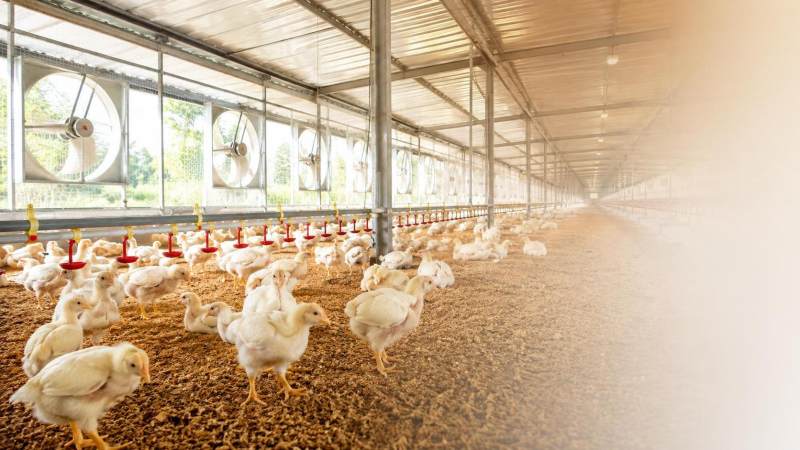
When birds begin coughing, huddling, showing wet feathers, or developing footpad problems, the cause is often not a single pathogen entering the flock. It is frequently a housing condition that has weakened the birds’ defenses or allowed infectious pressure to build. A shed can look orderly from the doorway while still holding damp litter, stale air, temperature swings, contaminated drinker lines, or overcrowded resting areas.
The housing conditions that most reduce disease risk in poultry farming are clean and dry litter, effective ventilation without drafts, stable temperature and humidity, appropriate stocking density, safe water and feed access, reliable sanitation, and separation between age groups or flocks. These factors work together. Improving only one while ignoring the others may reduce visible problems temporarily, but it rarely removes the underlying disease pressure.
Start with the conditions birds experience at floor level
Operators often assess a house by how it feels while standing upright near an entrance. Birds live much closer to the litter, where ammonia, moisture, dust, and temperature can be very different. Walk the entire house at bird height when possible. Check corners, beneath drinker lines, near fans, around heaters, and at the far end from air inlets. Uneven conditions are important because disease often starts where birds congregate or where management conditions are poorest.
Watch bird behavior alongside equipment readings. Birds packed under heaters may be cold even if the controller shows an acceptable average temperature. Birds avoiding a section may be responding to a draft, stale air, excessive heat, wet litter, or poor lighting. A house with an acceptable average condition can still have unhealthy microclimates.
Dry litter is a disease-control measure, not just a housekeeping goal
Wet litter supports the survival and spread of organisms that can affect gut health, respiratory health, skin integrity, and feet. It also raises ammonia release, which irritates eyes and airways. Once respiratory tissues are irritated, birds may be less able to tolerate dust and infectious challenge. Damp bedding can also increase contact between birds and droppings, raising the chance that contamination is carried on feet, feathers, equipment, and crates.
Litter should be loose enough to absorb moisture and dry enough that it does not cake heavily underfoot. The areas beneath drinkers deserve daily attention because small leaks, poorly adjusted water pressure, incorrect drinker height, or excessive spillage can create a long wet strip through the house. Do not assume that a water problem is minor just because birds are still drinking normally.
- Inspect drinker lines for leaks, blocked nipples, tilted lines, and pressure settings that cause spillover.
- Adjust drinker height as birds grow so birds can drink without splashing or standing in wet bedding.
- Remove or break up caked litter before it becomes a broad moisture reservoir.
- Check insulation, roof leaks, sidewall condensation, and drainage around the building after rain or cold-weather operation.
- Match ventilation changes to litter conditions, not only to the temperature displayed on a controller.
Excessive dryness is not ideal either. Very dusty litter can irritate the respiratory tract and carry fine particles through the house. The target is managed moisture: bedding that remains friable, absorbent, and free of persistent wet patches.
Ventilation must remove moisture, gases, and heat without chilling birds
Ventilation is one of the strongest housing controls for disease risk because it affects air quality, litter condition, temperature, and the concentration of airborne particles. Poor ventilation allows humidity, ammonia, carbon dioxide, and dust to accumulate. Over-ventilation or poorly directed airflow can chill birds, especially young birds, and may force them to crowd together. Both extremes create stress.
Do not rely on odor alone. By the time ammonia is obvious at human nose level, the air near the floor may already be uncomfortable for birds. Look for indirect signs: watery eyes, birds reluctant to move, increased coughing or sneezing, damp walls, condensation, litter that does not dry, and birds clustering away from particular zones. These signs do not diagnose a specific disease, but they indicate that the house environment should be checked immediately.
Air movement should be distributed, not concentrated
Fans, inlets, curtains, and baffles should move air across the occupied space rather than creating a cold stream that falls directly on birds. Air inlets that are too open can dump cold outside air onto the floor. Inlets that are too closed may restrict fresh-air exchange and leave moisture trapped inside. Fan capacity alone does not guarantee good ventilation; inlet placement, building tightness, static pressure, controller settings, and maintenance all influence how air actually travels.
During colder periods, minimum ventilation is especially important. Reducing fan operation too aggressively to preserve heat can leave the house damp and stale. The better approach is to maintain controlled fresh-air exchange while ensuring heating equipment and insulation can hold an appropriate bird-level temperature.
Stable temperature and humidity reduce stress that makes disease harder to control
Birds cope poorly with abrupt environmental changes. Chilling, overheating, and large day-to-night swings can reduce feed intake, alter water consumption, weaken normal behavior, and contribute to crowding. Young birds are particularly vulnerable because their ability to regulate body temperature is limited. Older birds also suffer during heat stress, when panting increases moisture release and the house becomes more humid.
Use both instruments and observation. Temperature sensors should be clean, correctly positioned, and checked against conditions at bird level. A sensor near a heater, fan, wall, or direct sunlight can give a misleading reading. Humidity matters because high humidity slows litter drying and makes heat harder for birds to shed. Low humidity may increase dust. Rather than chasing one universal setting, maintain conditions appropriate to bird age, breed guidance, season, housing design, and flock behavior.
Before birds arrive, confirm that heating equipment can warm the entire usable floor area, not just the central zone. During brooding, inspect the distribution of birds several times each day. Even spreading usually suggests acceptable comfort. A tight ring near heat, scattered birds with open-mouth breathing, or repeated clustering at walls indicates a problem with temperature, drafts, lighting, or airflow.
Stocking density affects exposure, litter, and access to essentials
Higher bird density does not automatically cause disease, but it raises the consequences of small management failures. More birds produce more moisture, manure, heat, and dust in the same space. They also have more frequent contact with one another and with contaminated surfaces. When space is limited, timid birds may lose access to drinkers, feeders, resting areas, or cooler zones. Stress and uneven growth can follow.
Assess density by what birds can actually do, not only by the number placed. Can birds move away from a damp area? Is there enough feeder and drinker access during peak use? Are birds piling into limited comfortable zones? Is litter deterioration concentrated where traffic is highest? These observations can reveal that the usable space is smaller than the house’s nominal floor area.
Density decisions should account for bird size, ventilation capability, heat load, litter type, feeder and drinker layout, and seasonal conditions. A stocking plan that works in mild weather may become risky during a hot, humid period or when ventilation performance is reduced by equipment wear.
Water systems can quietly spread trouble through the flock
Water is consumed by every bird, often many times a day, so poor water hygiene can affect the entire house rapidly. Biofilm inside lines can protect microorganisms and reduce the effectiveness of routine flushing. Sediment, damaged filters, stagnant line sections, and improperly cleaned tanks can also create contamination points. Water that tastes unusual, has inconsistent pressure, or arrives too warm may change drinking behavior and contribute to litter wetness.
A practical water-control routine includes inspecting source water, tanks, filters, medication equipment, line ends, and drinker function. Flushing should be purposeful: enough to exchange stagnant water and remove loosened material, while avoiding unnecessary flooding of the litter. Between flocks, clean and sanitize the system according to the products being used and confirm that residues are managed before birds drink.
Water treatment should be compatible with the flock health plan, equipment materials, and any products administered through the lines. Mixing treatments without checking compatibility can reduce effectiveness or damage equipment. When unusual water use appears, compare it with house temperature, feed changes, bird behavior, and drinker performance before assuming it is only a health issue.
Sanitation works best when the building is emptied, cleaned, and protected from re-entry
Routine disinfection cannot compensate for dirt, organic material, or poor traffic control. Manure, dust, feathers, and old litter can shield organisms from cleaning agents. A useful turnaround sequence is removal of birds and movable equipment where applicable, dry cleaning to remove debris, washing, drying, repair work, disinfection, and a protected downtime period appropriate to the production system. The key principle is simple: surfaces must be physically clean before a disinfectant can work reliably.
Pay attention to surfaces that are easily forgotten: fan housings, inlet screens, cracks in floors, drinker supports, feed bins, loading areas, storage rooms, and equipment wheels. A clean interior can be compromised when contaminated tools, footwear, crates, or vehicles cross back into the house.
Separate flocks and control movement through the site
Mixing birds of different ages increases the chance that older birds carry organisms to younger, more susceptible birds. Where the production system permits, keeping a single age group within a house and following all-in/all-out management makes cleaning, observation, and disease control more manageable. Partial depopulation, frequent movement between houses, or adding birds to an established flock can undermine otherwise good housing conditions.
Traffic control should be practical enough that people will follow it every day. Establish a clear clean-to-dirty movement direction, provide dedicated footwear or effective foot sanitation where appropriate, and avoid sharing tools between houses unless they are cleaned. Rodents, wild birds, insects, pets, and standing water around buildings can also carry contamination. Closing openings, maintaining exterior drainage, storing feed securely, and removing spilled feed reduce these pressures.
Use daily observations to catch housing failures early
A short, consistent walk-through is more valuable than waiting for a visible disease event. Move slowly through the flock and note bird distribution, vocalization, activity, feed and water access, litter texture, air movement, and unusual mortality or culls. Compare one end of the house with the other. A localized problem can become flock-wide if it is not corrected while it is still small.
When signs of illness increase, avoid changing several major conditions blindly at once. First document what is abnormal: where it occurs, which birds are affected, whether litter is wet, whether ventilation or heating has changed, and whether water delivery is consistent. Correct obvious environmental faults promptly, but seek veterinary or qualified flock-health assessment when mortality rises, respiratory signs spread, neurologic signs appear, or birds show significant loss of condition. Housing improvements reduce risk, yet they do not replace diagnosis or a flock-specific health program.
Recommended News
 When does precision engineering machining need a 5-axis machine?Discover when precision engineering machining needs 5-axis capability. Compare 3+2 and simultaneous machining to improve tool access, control costs, and choose the right process.
 How to check clinical validation of wholesale blood pressure monitorsSourcing blood pressure monitors wholesale? Learn how to verify clinical studies, registry listings, cuff coverage, and model identity before approving your next bulk order.
 How much lithium battery storage do you need for solar energy?Lithium battery storage for solar energy: learn to calculate capacity, account for losses, and check backup power. Avoid costly sizing mistakes and find the right system for your needs.
 11th CIMSS Conference in Wuxi to Focus on Metalworking Fluid Industry UpgradesExplore the 11th CIMSS Conference in Wuxi, October 22–23, 2026, for insights into metalworking fluid innovation, industrial cleaning and cost control to support industry upgrades.
 Can solid-state battery breakthroughs scale to mass-produced EVs?Solid-state battery breakthroughs for electric vehicles: can they scale? Explore manufacturing yield, pack costs, and real-world performance to uncover what stands between lab success and mass production.
 Can digital manufacturing improve competitiveness by cutting lead times?Explore digital manufacturing competitiveness: learn how shorter lead times, smarter scheduling, and connected quality data can help win orders and cut costs without compromising quality.
 How to size a hydraulic press for forging large steel componentsSize a hydraulic press for forging large steel components with confidence. Learn how to assess forming force, working speed, stroke, and capacity limits to avoid costly selection errors.
 Aerospace Actuator Maker 7958 Joins Emerging Stock Market on October 22Aerospace actuator maker 7958 joins the Emerging Stock Market on October 22, 2026. Explore its precision motor technology and growth plans for drones and robotics.
 How to calculate payload for industrial robots removing molded partsSize industrial robots for molded-part removal with confidence. Learn to calculate total payload, center of gravity, inertia, and extraction loads to avoid overloads and optimize cycle times.
 When do automated CNC cell systems pay off for 5-axis machining?When do automated cnc cell systems pay off for 5-axis machining? Discover how demand, unattended reliability, and total costs shape ROI—and build a stronger investment case.
 When is industrial procurement support worth the cost for tooling?When is industrial procurement support worth the cost for tooling? Discover how to compare total costs, assess supplier risk, and build a clear break-even case before you invest.
 How to assess a mold manufacturer's cooling design expertiseAssess a mold engineering manufacturer's cooling expertise with key checks for thermal simulations, circuit flow, and mold trials. Learn what evidence to demand before approving your supplier.
 How to vet OEM mold suppliers in a manufacturing directoryUsing a manufacturing directory with OEM suppliers? Learn how to vet mold makers, verify capabilities, compare quotes, and define acceptance criteria to reduce sourcing risk.
 Desma USA Introduces DataHub and Molding Technology to Improve Production EfficiencyExplore Desma USA’s DataHub, valve-gate and cavity-pressure technology to see how these innovations could enhance process control and improve molding production efficiency.
 How energy costs shape manufacturing competitiveness in the Middle EastManufacturing competitiveness Middle East guide: discover how energy costs, efficiency, and reliable power shape factory margins—and make smarter site and equipment investments.
 Choosing a compatible automatic tool changer for 5-axis CNCs in EuropeAutomatic tool changer Europe guide: find the right fit for your 5-axis CNC. Compare tool limits, collision clearance, safety and local support to avoid costly mistakes.
 When is a Swiss-type lathe worth the investment in Europe?Swiss type lathe Europe: is it worth the investment? Compare ownership costs, verified savings and payback scenarios to build a stronger business case before you buy.
 Will wireless alarm systems still work during a power outage?Will wirelessalarmsystems work during a power outage? Discover which features stay active, why cellular backup matters, and what to check before choosing your alarm.
 What affects lead times when buying carbide inserts in Europe?Buying carbide inserts Europe-wide? Discover how stock, specifications, factory schedules and shipping affect lead times, and learn what to confirm to keep production running.
 Which window treatments provide privacy without blocking daylight?Discover window treatments that balance privacy and daylight. Compare cellular shades, sheers, and layered options to find the right fit—and avoid nighttime privacy surprises.
 How to verify a 5-axis CNC machine supplier's MTTF claimsVerify MTTF for CNC machine tools supplier claims with expert checks on failure records, operating hours, and confidence bounds. Make a smarter 5-axis CNC investment.



















Search News
Popular Tags